
Transforming Interior Design: Top Virtual Staging Tools for 2025
Interior design has entered an era where technology meets creativity. Today, virtual staging tools for interior designers in 2025 are redefining how spaces are envisioned, presented, and marketed. These digital solutions allow designers to showcase their ideas with unmatched clarity and precision. From realistic 3D modeling to immersive virtual tours, the possibilities are limitless.
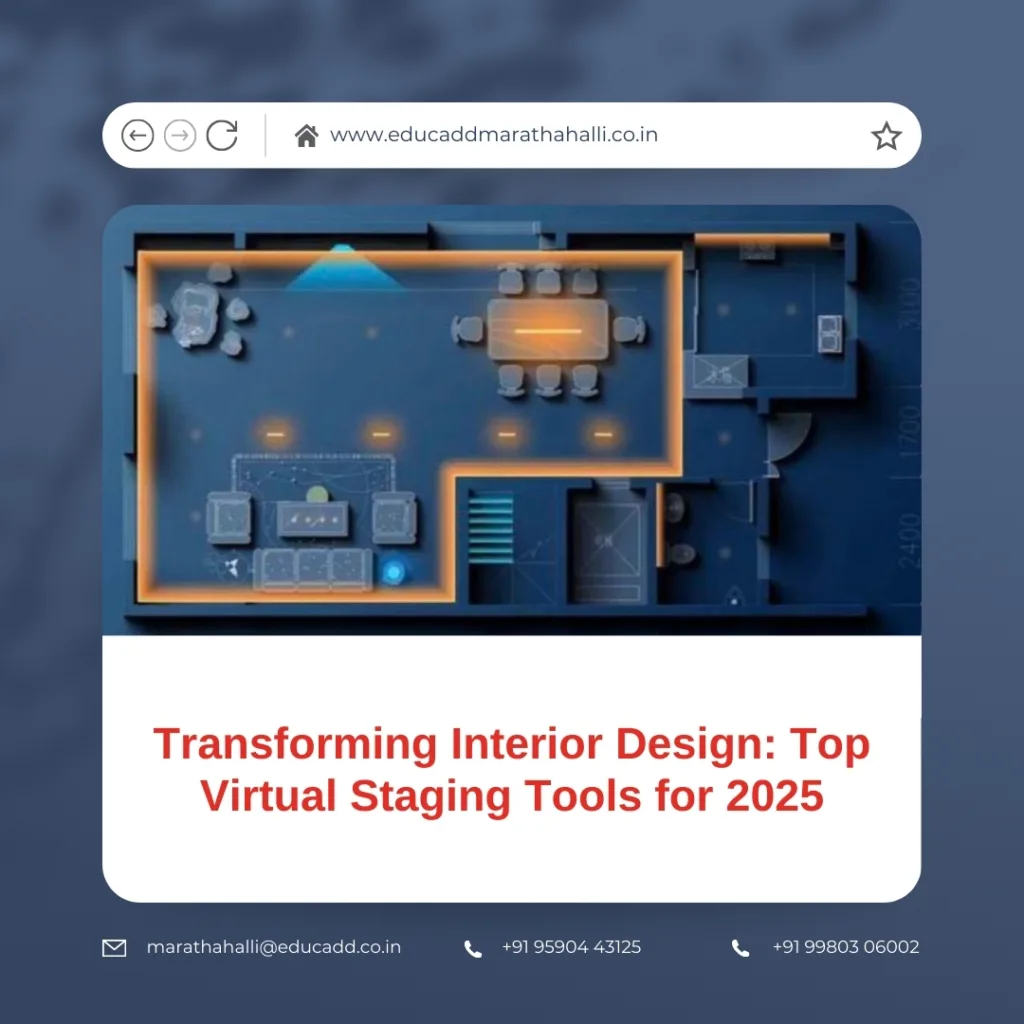
Virtual Staging Tools 2025
In this guide, we’ll explore why these tools are essential, the most innovative features, their benefits, and practical strategies to integrate them seamlessly into design workflows.
Why Virtual Staging Is a Game-Changer
Interior design has always been about turning ideas into reality, but visualizing concepts before execution has been challenging. Traditionally, designers relied on physical staging, moving furniture, arranging décor, and spending days or weeks creating a space that conveys the intended style.
With virtual staging tools for interior designers in 2025, this process has become more efficient and cost-effective. Designers can now:
-
Present multiple layouts within minutes.
-
Reduce costs by avoiding physical furniture and props.
-
Deliver high-quality visuals instantly.
-
Cater to clients with diverse tastes.
Clients today expect faster results and more precise visualizations. In real estate, homes staged digitally sell quicker, and in design projects, clients approve concepts faster. Virtual staging bridges the gap between imagination and reality, making it indispensable for modern interior designers.
Key Features of Virtual Staging Tools in 2025
The tools available in 2025 are far beyond basic digital renderings. They offer features that enhance creativity, accuracy, and client engagement.
1. Hyper-Realistic Visuals
Modern virtual staging software delivers lifelike textures, natural lighting, and realistic shadows. Every detail—from fabric patterns to flooring—looks authentic, helping clients visualize the final space clearly.
2. Augmented Reality Experiences
AR integration allows clients to walk through virtually staged spaces using smartphones or VR headsets. This interactive approach provides a realistic experience that traditional photos cannot match.
3. AI-Powered Design Assistance
AI analyzes client preferences and recommends furniture, layouts, and color schemes. Designers can generate multiple design options quickly, saving time and enhancing creativity.
4. Real-Time Collaboration
Cloud-based tools enable designers and clients to collaborate instantly, regardless of location. Feedback can be applied in real time, speeding up approvals and minimizing misunderstandings.
5. Extensive Furniture and Decor Libraries
Modern tools include vast catalogs of furniture and décor items. Designers can easily resize, recolor, or replace items, ensuring each project aligns perfectly with client preferences.
These features make staging more flexible, creative, and efficient, giving designers the ability to produce stunning visuals without physical limitations.
Benefits of Virtual Staging for Interior Designers
Virtual staging offers advantages that go far beyond convenience. It impacts efficiency, client satisfaction, and business growth.
Save Time and Money
Physical staging can be expensive, requiring furniture rentals, moving, and setup. Virtual staging eliminates these costs. Designers can complete polished visuals in hours instead of days, reducing overall project expenses.
Enhance Client Engagement
Empty rooms can be difficult for clients to imagine. Virtual staging presents fully styled interiors, helping clients understand the design vision instantly and make faster decisions.
Boost Revenue Potential
Quicker project approvals mean designers can take on more work. With higher productivity, revenue naturally increases.
Expand Creative Possibilities
Designers can experiment with bold ideas and diverse styles without worrying about physical constraints. Virtual staging encourages creativity by providing endless options.
Support Sustainability
By reducing the need for physical materials, virtual staging aligns with eco-friendly practices. This approach resonates with environmentally conscious clients and promotes sustainable design solutions.
Leading Virtual Staging Tools for 2025
Several virtual staging tools have emerged as industry leaders in 2025. Each offers unique capabilities for interior designers.
1. Roomify Pro
Roomify Pro is known for its intuitive interface and AI-powered design suggestions. It simplifies staging with drag-and-drop features and quick render options.
2. StagerX AI
StagerX uses deep learning to predict client preferences. Its style-matching capabilities allow designers to present options tailored to client tastes efficiently.
3. RenderCraft 5.0
RenderCraft excels in creating ultra-realistic visuals with advanced lighting and shadow effects. It is ideal for designers aiming for photorealistic presentations.
4. ARStage Studio
ARStage Studio merges AR and VR experiences, allowing clients to virtually walk through designs. This immersive approach enhances understanding and engagement.
5. CloudStage 2025
CloudStage focuses on real-time collaboration. Designers, clients, and contractors can work on projects simultaneously, ensuring clear communication and rapid adjustments.
Selecting the right tool depends on project scope, client expectations, and budget, but all of these platforms reflect the future of virtual staging.
Integrating Virtual Staging Into Interior Design Workflows
Adopting digital staging tools requires strategic planning. Here’s how designers can integrate them effectively:
Step 1: Invest in Training
Understanding software capabilities is essential. Tutorials, workshops, and online resources help designers maximize the benefits of virtual staging tools.
Step 2: Identify Client Needs
Determine whether clients need simple 3D visuals, immersive AR experiences, or photorealistic renderings. Matching the tool to the project ensures efficiency and satisfaction.
Step 3: Engage Clients Collaboratively
Use cloud-based platforms to share designs in real time. Regular updates keep clients involved and reduce misunderstandings.
Step 4: Combine Digital and Traditional Methods
While virtual staging is powerful, pairing it with sketches, mood boards, or concept visuals provides a more comprehensive presentation.
Step 5: Stay Updated with Technology
Virtual staging tools evolve rapidly. Monitoring software updates, AI enhancements, and AR developments ensures designers remain competitive and innovative.
With careful implementation, virtual staging becomes a core part of interior design workflows, enhancing productivity and creative output.
Conclusion: Embracing the Future of Interior Design
Virtual staging is transforming interior design. Virtual staging tools for interior designers in 2025 offer cost-effective, efficient, and creative solutions that elevate client experiences. They allow designers to visualize, present, and modify interiors with unparalleled ease.
In an industry driven by innovation, adopting these tools is no longer optional. The combination of AI, AR, photorealistic rendering, and cloud collaboration positions interior designers to meet client demands faster and with greater creativity.
By embracing virtual staging, interior designers not only enhance project outcomes but also secure a competitive edge in an increasingly digital landscape. The future of interior design is immersive, efficient, and limitless—and virtual staging is leading the way.

