
Harmonizing Spaces: Sustainable Interior Design for a Greener Future
In today’s world, the concept of sustainability extends beyond energy-efficient homes and eco-friendly products. Sustainable interior design focuses on creating spaces that are not only aesthetically pleasing but also environmentally responsible. By adopting eco-friendly approaches in interior design, homeowners and designers contribute to a healthier planet while enhancing the well-being of the people who inhabit these spaces. From material selection to energy usage and waste reduction, Sustainable Interior Design Solutions integrates thoughtful planning and innovative solutions that reduce environmental impact without compromising style or comfort.
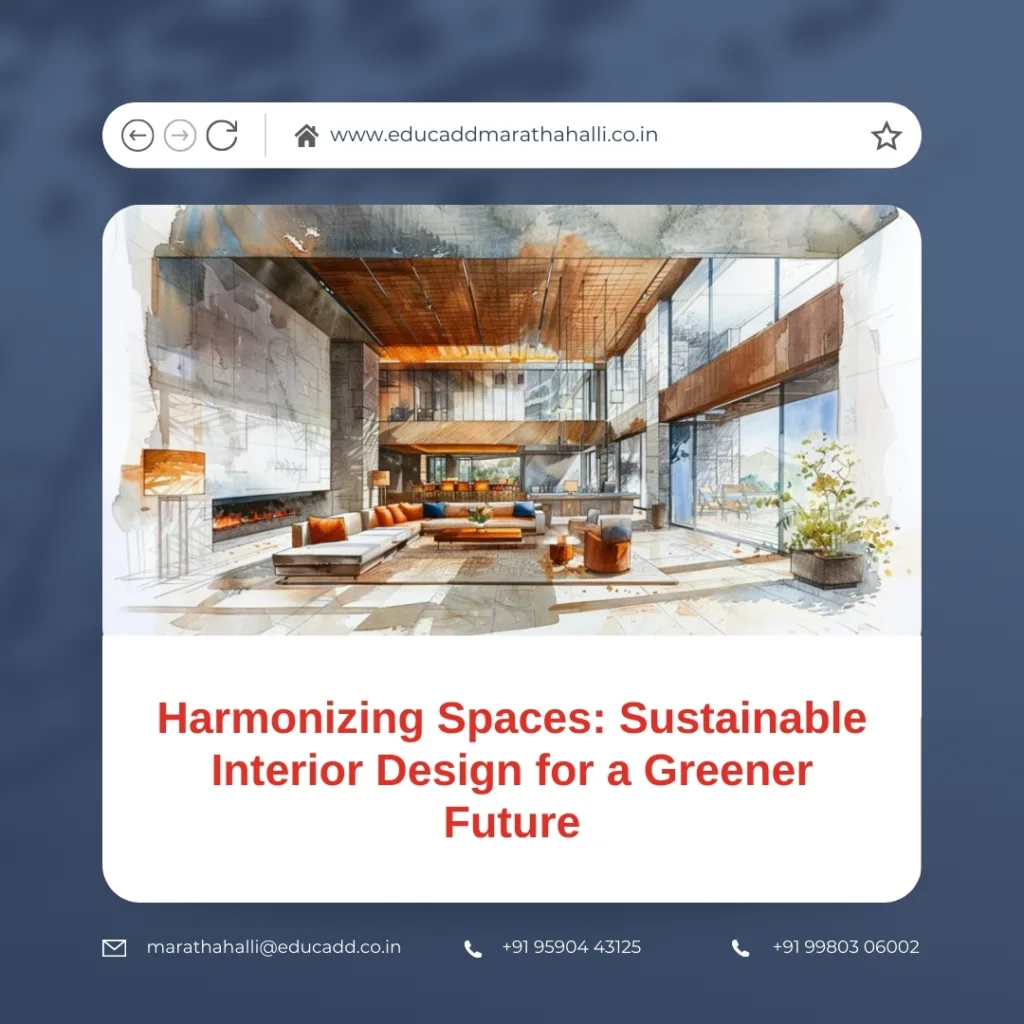
Sustainable Interior Design Solutions
This article explores various strategies for implementing Sustainable Interior Design Solutions, practical tips for eco-friendly living, and the long-term benefits of adopting environmentally conscious design practices.
1. Selecting Eco-Friendly Materials
One of the most crucial aspects of sustainable interior design is the choice of materials. Eco-friendly materials reduce environmental harm and promote a healthier indoor environment. Natural fibers, reclaimed wood, bamboo, cork, and recycled metals are excellent options that combine durability with minimal ecological footprint. When selecting fabrics, organic cotton, linen, and wool are preferable over synthetic materials because they are biodegradable and require fewer chemicals in production.
Sustainable designers also prioritize materials with certifications, such as FSC-certified wood or low-VOC paints, which reduce harmful emissions and improve indoor air quality. Moreover, using recycled or repurposed materials reduces waste, lowers energy consumption, and adds a unique character to the space. Transitioning from conventional materials to eco-friendly alternatives is a significant step in embracing sustainable interior design.
2. Energy Efficiency in Interior Spaces
Energy consumption plays a critical role in determining a space’s sustainability. Integrating energy-efficient lighting, appliances, and HVAC systems can significantly reduce a home’s carbon footprint. LED lighting, for example, uses up to 75% less energy than traditional incandescent bulbs while providing a long-lasting, eco-friendly solution. Similarly, smart home technologies allow precise control over heating, cooling, and lighting, minimizing energy wastage.
Windows and insulation also contribute to energy efficiency. Double-glazed windows prevent heat loss, and sustainable insulation materials, such as recycled denim or cellulose, help maintain indoor temperatures. Thoughtful interior planning, such as orienting rooms for natural light and airflow, reduces dependency on artificial lighting and air conditioning, aligning with eco-friendly design principles.
3. Sustainable Furniture and Décor Choices
Furniture and décor significantly impact the environmental footprint of a space. Choosing pieces made from reclaimed wood, recycled metal, or sustainably sourced materials supports eco-friendly practices. Multi-functional furniture, such as foldable tables or modular storage units, minimizes resource use and enhances space efficiency.
Additionally, investing in high-quality furniture ensures longevity, reducing the frequency of replacements and associated waste. Decorative items, from rugs to wall art, should also follow sustainable guidelines. Organic textiles, recycled materials, and handcrafted décor from local artisans reduce environmental impact and support ethical production practices. The emphasis on sustainability in every element of décor strengthens the overall eco-conscious design approach.
4. Water Conservation and Indoor Plant Integration
Water management is an often-overlooked aspect of sustainable interior design. Installing low-flow faucets, dual-flush toilets, and water-efficient showerheads can dramatically reduce water consumption. Beyond utilities, sustainable design incorporates rainwater harvesting systems and greywater recycling where feasible.
Integrating indoor plants not only enhances aesthetics but also improves air quality by absorbing pollutants and releasing oxygen. Choosing native or drought-resistant plant species minimizes water requirements. Vertical gardens, living walls, and indoor planters promote a connection with nature while actively contributing to a healthier indoor environment. Sustainable interior design harmonizes human activity with natural processes, ensuring responsible water usage and greener spaces.
5. Waste Reduction and Circular Design Principles
Minimizing waste is central to eco-friendly interior design. Circular design principles, which focus on reuse, recycling, and repurposing, help extend the lifecycle of materials and reduce landfill contributions. Designers can adopt modular components that allow for easy upgrades or repairs instead of full replacements.
Creative solutions, such as upcycling old furniture, using reclaimed wood for shelving, or repurposing glass and metal, reduce environmental impact while adding unique character. Sustainable design also emphasizes reducing single-use items, opting for durable, long-lasting products. By integrating circular design strategies, interiors become both functional and environmentally responsible, reflecting a commitment to long-term sustainability.
Conclusion
Sustainable Interior Design Solutions is more than a trend; it is a responsible approach to shaping spaces that respect both people and the planet. By carefully selecting eco-friendly materials, promoting energy efficiency, choosing sustainable furniture, managing water wisely, and embracing circular design, interior spaces can achieve a balance of beauty, functionality, and environmental stewardship.
Adopting these practices not only reduces ecological impact but also creates healthier, more inspiring environments for occupants. As more homeowners and designers embrace sustainable interior design, the vision of greener, conscious living spaces becomes increasingly achievable. Through intentional choices and innovative design, it is possible to craft interiors that reflect both aesthetic elegance and environmental responsibility.

