
Crafting Smart Modular Furniture Layouts: A Step-by-Step Guide
In today’s fast-paced world, homes and offices demand designs that are both functional and adaptable. Smart Modular Furniture Layouts has emerged as a solution, offering versatility, style, and space optimization. However, the true potential of modular setups shines only when layouts are carefully drafted. Learning to draft modular furniture layouts equips you with the ability to create interiors that balance comfort, efficiency, and beauty. This guide takes you through essential principles, tools, strategies, and practical tips that help you build layouts suited for modern living.
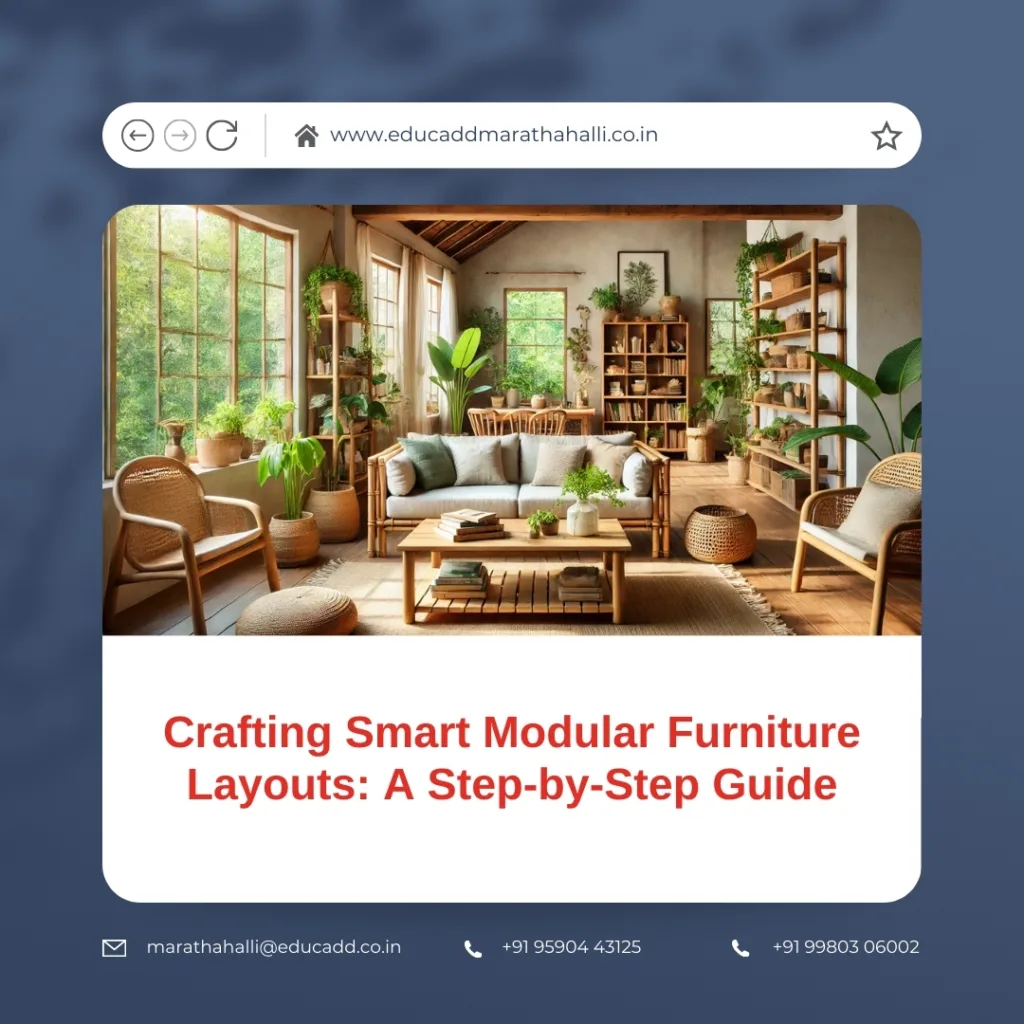
Smart Modular Furniture Layouts
1. Core Principles Behind Drafting Modular Furniture Layouts
Before starting with drawings, it’s vital to understand the philosophy behind modular layouts. Modular furniture revolves around flexibility, efficiency, and scalability. Unlike conventional pieces, modular systems are designed to adapt—whether you’re rearranging, expanding, or downsizing a space.
When drafting layouts, focus on three pillars: purpose, proportion, and adaptability. First, clarify the purpose of the space. Is it a workspace, a family living area, or a compact studio? Next, maintain proportion by matching furniture size to the available area. Finally, think long-term—your layout should evolve as your needs change.
For example, a modular bedroom design might require bed placement that leaves clear pathways while incorporating wardrobes with sliding doors for efficient storage. Similarly, drafting an office space layout demands creating zones for teamwork, privacy, and circulation.
Another crucial element is ergonomics. Stick to design standards that prioritize user comfort, such as ensuring dining chairs fit comfortably under tables or leaving sufficient clearance for movement. When these principles guide your work, your modular layouts will feel both practical and inviting.
2. Tools and Techniques That Simplify the Drafting Process
Drafting modular furniture layouts requires precision and the right tools. While traditional methods like graph paper and hand sketches still hold value, digital design software has made the process faster and more interactive. Programs such as AutoCAD, SketchUp, and Revit allow you to build both 2D and 3D layouts with remarkable accuracy.
Start with a measured floor plan. Capture wall dimensions, window placements, door swings, and utility points. These measurements serve as your foundation. Once your base plan is ready, experiment with scaled modular furniture blocks. Most design platforms provide ready-made furniture models that you can drop directly into the plan.
Techniques like zoning help simplify complex spaces. Divide the room into activity-based zones—work, relaxation, dining, or storage—before introducing modular elements. Similarly, circulation mapping ensures that pathways remain open and clutter-free.
Don’t stop at one draft. Experiment with multiple arrangements until you discover the most efficient solution. For instance, try positioning modular shelving as both storage and a subtle partition between living and dining spaces. Iteration not only sparks creativity but also helps refine your final design.
3. Blending Function and Aesthetics in Modular Layouts
Drafting modular furniture layouts isn’t just about arrangement; it’s about crafting spaces that people enjoy living or working in. To achieve this, you must align functionality with visual appeal.
Start with simplicity. Modular furniture naturally supports minimalism, so avoid cluttering spaces with unnecessary items. Instead, invest in multipurpose pieces like storage ottomans or foldable desks. These maximize function without consuming excessive space.
Balance is another design principle that adds charm. Use symmetry in spaces such as bedrooms to create a calm, orderly vibe, while embracing asymmetry in creative zones like studios for a dynamic effect. Each choice should reinforce the room’s personality.
Next, integrate circulation planning. Draft pathways wide enough for ease of movement—at least three feet is ideal. Ensure access to natural light by avoiding bulky furniture near windows. Such considerations enhance comfort and usability.
Materials and finishes also influence how layouts feel. When drafting, visualize furniture tones against wall colors, flooring textures, and lighting conditions. Matching warm wood with soft lighting creates coziness, while metallic finishes with bold walls deliver a contemporary touch.
Above all, embrace versatility. Modular pieces thrive when they serve multiple functions. A wall-mounted desk can fold away when not in use, while modular kitchen units can expand with add-ons. Designing with adaptability ensures longevity and relevance in your layouts.
4. Mistakes to Avoid While Drafting Modular Furniture Layouts
Even seasoned designers sometimes stumble during the drafting stage. Recognizing common pitfalls early helps you design smarter.
One major error is overlooking scale. Oversized furniture crowds the room, while undersized pieces leave it feeling empty. Sticking to proportional dimensions ensures a balanced outcome.
Another mistake is blocking circulation. Placing large modular units without considering walkways disrupts flow. Always draft clear, connected pathways that allow smooth transitions between zones.
Lighting is often underestimated. Tall storage near windows may obstruct sunlight, while poor placement of modular workstations may strain eyes. While drafting, carefully mark light sources and align layouts accordingly.
Storage is another critical factor often ignored. A modular setup without sufficient storage leads to clutter. When drafting, plan for built-in cabinets, under-bed compartments, or concealed shelving to keep spaces organized.
Finally, designs fail when they ignore lifestyle needs. For instance, a single professional might need a home office setup, while a family would prioritize child-friendly arrangements. Drafting without user context results in layouts that look good but don’t perform well.
By being mindful of these errors, you elevate your layouts into solutions that are functional, stylish, and user-focused.
5. Tips to Build Expertise in Drafting Modular Furniture Layouts
Mastering modular layout drafting takes consistent effort. To sharpen your skills, follow a structured approach.
Begin by studying professional layouts. Analyze how designers balance proportion, flow, and style. Observing real-world examples builds your creative vocabulary.
Next, practice regularly. Start with small rooms before progressing to larger, more complex layouts. Each draft teaches you how to handle challenges like awkward corners or narrow passages.
Seek feedback from experienced mentors or peers. Honest critique reveals blind spots and helps you refine your approach. Participating in online communities also connects you with diverse design perspectives.
Stay updated on emerging modular design trends. Innovative ideas like foldable workstations, eco-friendly materials, and modular kitchens with smart storage solutions are shaping modern layouts. Incorporating these trends keeps your designs current and appealing.
Finally, consider formal training. Enrolling in drafting or interior design courses that cover software like AutoCAD or Revit strengthens your technical skills. Certifications not only build confidence but also open doors to career opportunities in interior design and architecture.
Conclusion
Learning to Smart Modular Furniture Layouts is a rewarding skill that blends precision, creativity, and adaptability. By understanding key principles, leveraging advanced tools, combining aesthetics with practicality, and avoiding common mistakes, you can create designs that truly enhance modern spaces. With regular practice and an eye for detail, your layouts will evolve into functional, stylish, and versatile solutions.
Whether you’re pursuing interior design professionally or simply aiming to upgrade your living environment, drafting modular layouts empowers you to transform ordinary rooms into extraordinary spaces. Each draft sharpens your creativity and brings you closer to designing interiors that reflect contemporary lifestyles.

