
Charting Your Future: Roadmap to Become a Project Planner
In today’s rapidly evolving industries, the role of a project planner has become essential for delivering projects on time, within budget, and with optimal resource utilization. If you are looking for a Project Planner Career Guide you are already on the right path to a rewarding career filled with structure, purpose, and impact.
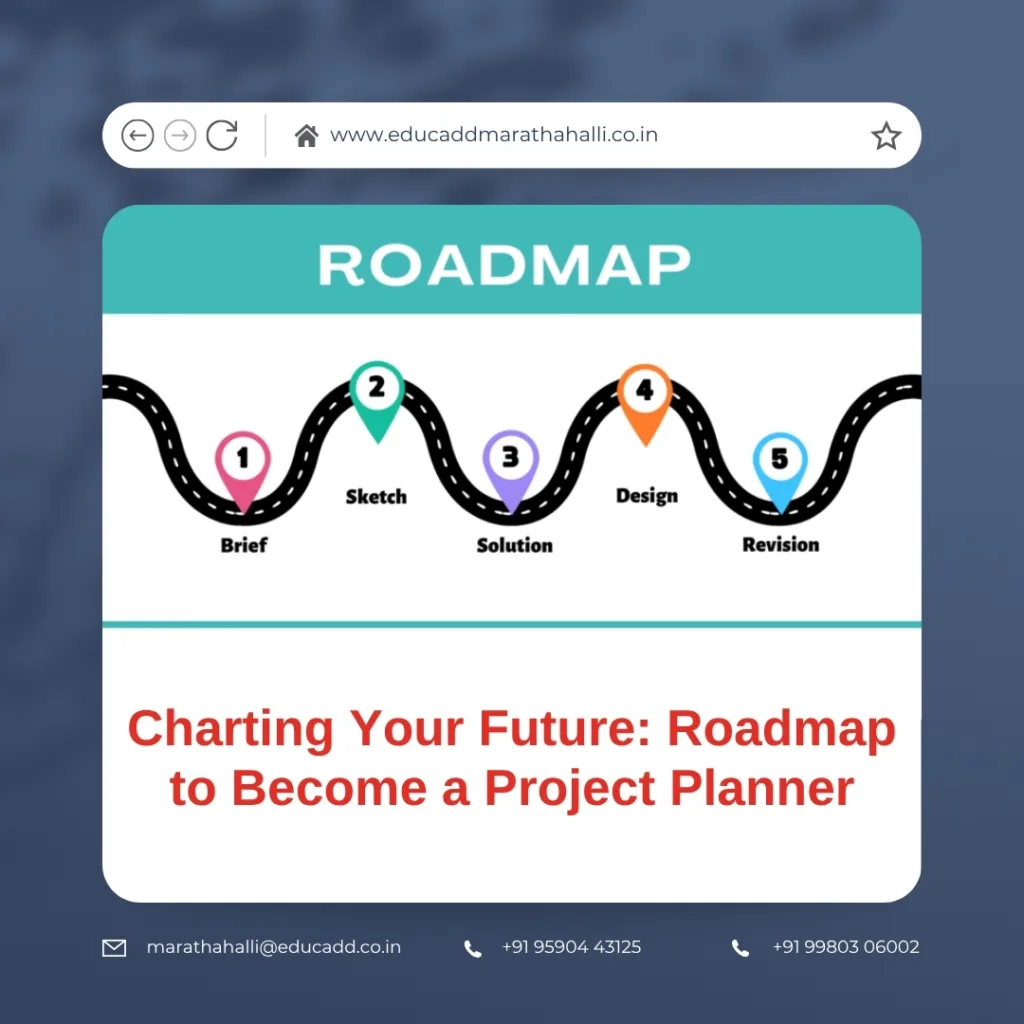
professional planning project career roadmap
Let’s walk you through this clear, actionable Project Planner Career Guide, giving you practical steps you can start implementing immediately.
1️⃣ Understanding the Role: What Does a Project Planner Do?
Before diving into how to become one, you need to understand what a project planner actually does. A project planner is responsible for:
-
Developing and maintaining project schedules
-
Allocating resources efficiently
-
Coordinating tasks between teams
-
Monitoring project progress against deadlines
-
Reporting on project performance and forecasting issues
In essence, a project planner acts as the backbone of a project, ensuring seamless coordination between tasks, teams, and timelines.
Additionally, project planners use tools such as MS Project, Primavera P6, or project management software to track progress. Understanding these tools becomes a critical part of your roadmap to become a project planner.
Many industries, including construction, oil and gas, IT, manufacturing, and engineering services, require effective project planners to deliver projects successfully. This makes it a versatile and stable career choice.
2️⃣ Building Your Educational Foundation
Now that you know the role, let’s focus on the educational requirements on your roadmap to become a project planner. While project planners come from diverse backgrounds, a bachelor’s degree in one of the following fields can strengthen your foundation:
-
Civil Engineering
-
Mechanical Engineering
-
Electrical Engineering
-
Project Management
-
Business Administration
Although having a related degree is beneficial, it is not mandatory in every case. Many successful project planners transition from site engineering or design roles and specialize with additional certifications and planning tool expertise.
To further enhance your knowledge, you can consider enrolling in specialized courses such as:
-
Primavera P6 Training
-
Microsoft Project Training
-
Certified Associate in Project Management (CAPM)
-
PMP Prepares You for Project Planning Leadership Roles
These certifications will significantly increase your employability and give you a competitive edge as you proceed on your Project Planner Career Guide.
3️⃣ Gaining Practical Experience with Tools and Techniques
No roadmap to become a project planner is complete without hands-on experience. Practical exposure to real-life project planning scenarios, resource allocation challenges, and project monitoring practices will help you deeply understand your responsibilities.
Here’s how you can build this experience:
✅ Internships and Entry-Level Positions: Start by joining as a site engineer, planning assistant, or junior scheduler. This exposure will help you understand how projects operate from the ground up.
✅ Master Planning Tools: Learn software like Primavera P6, MS Project, and ERP tools. Many training institutes offer practical-oriented classes with live projects, case studies, and simulated planning exercises.
✅ Shadow Experienced Planners: While working on projects, closely observe how experienced planners build schedules, create WBS (Work Breakdown Structures), allocate resources, and track progress. Take notes and experiment with building small plans yourself.
✅ Freelance Small Projects: Try taking up freelance planning projects to practice building schedules for interior projects, small construction projects, or even event planning, as this strengthens your ability to think structurally.
Gaining real-life exposure will cement your understanding while giving you confidence on your roadmap to become a project planner.
4️⃣ Developing Essential Skills for Project Planners
Besides tool mastery, several soft and technical skills are crucial on your roadmap to become a project planner. These skills will help you not only secure a role but also excel in it.
✅ Time Management: You will need to handle multiple schedules simultaneously while ensuring adherence to project timelines.
✅ Communication: Project planners interact with project managers, engineers, clients, and vendors. Clear, precise communication prevents misunderstandings and delays.
✅ Analytical Thinking: Project planners often identify potential delays and resource constraints before they escalate into issues.
✅ Attention to Detail: Minor errors in scheduling or reporting can lead to significant delays.
✅ Problem-Solving: When projects hit roadblocks, planners must adjust schedules, reallocate resources, and maintain the workflow.
✅ Team Coordination: You will often coordinate across departments, resolving conflicts and ensuring everyone remains aligned with the plan.
✅ Adaptability: Project scopes frequently change. You should be ready to modify schedules without disrupting the workflow.
These skills will prepare you not just to enter but to grow on your roadmap to become a project planner in any industry you choose.
5️⃣ Advancing Your Career: Certifications and Networking
Once you have a solid grasp of planning concepts, tools, and real-life scenarios, you can focus on growth and specialization in your roadmap to become a project planner.
✅ Advanced Certifications: Consider earning Project Management Professional (PMP), PRINCE2, or advanced Primavera certifications to stand out in the industry.
✅ Specialization: You can choose to specialize in industries like oil & gas, EPC, IT infrastructure, or high-rise building projects. Each requires a unique planning approach and can be a niche for your expertise.
✅ Join Professional Communities: Becoming a part of PMI chapters, attending webinars, and participating in LinkedIn groups will expose you to global planning practices and industry updates.
✅ Continuous Learning: Project planning tools and methodologies evolve continuously. Stay updated with trends such as Agile Project Planning, Lean Project Management, and the integration of AI in project monitoring.
✅ Portfolio Building: Document your planning projects and achievements. Create a portfolio to showcase your skill in planning, resource leveling, and maintaining baseline schedules.
✅ Aim for Planning Lead Roles: With years of experience, you can progress to Planning Engineer, Senior Planner, Planning Manager, or even Project Controls Manager, managing multi-crore projects.
By following these steps, you will successfully climb your roadmap to become a project planner and transform your professional journey.
Why Now Is the Best Time to Become a Project Planner
Industries are continuously investing in efficient project delivery to minimize costs and maximize quality. As infrastructure, IT, and manufacturing sectors expand, there is an increasing demand for skilled project planners.
Moreover, many companies prefer planners who can use modern tools while understanding on-ground project realities. If you are passionate about structured problem-solving and planning, now is the perfect time to take your first step on your roadmap to become a project planner.
Action Steps: Your Roadmap to Become a Project Planner Starts Here
Here’s a practical step-by-step checklist you can implement right away:
✅ Research industries where you wish to work as a project planner
✅ Enroll in a course on Primavera P6 or MS Project
✅ Start an internship or entry-level position to gain practical exposure
✅ Build a network of mentors and industry professionals
✅ Earn advanced certifications to increase your career opportunities
✅ Create your planning project portfolio to showcase your skills
✅ Apply for planner roles in your target industry with confidence
Remember, your roadmap to become a project planner is a journey, and consistency in building your skills, gaining experience, and learning from each project will ensure long-term success in this rewarding career.
Conclusion
Following a clear Project Planner Career Guide empowers you to step into a career that offers structure, growth, and a sense of accomplishment as you witness projects transform from plans on paper to real-life outcomes. By combining technical skills, planning software expertise, and soft skills, you will position yourself for a future filled with possibilities.
Start today by enrolling in a planning tool course, building your foundational knowledge, and seeking mentorship. Your journey to becoming a successful project planner is within your reach, and each step you take now will define your future in this impactful career.

