
Redefining Modern Offices: Innovative Workspace Interior Design Trends for the Future
Workspaces have undergone a remarkable transformation over the past decade, evolving from rigid office layouts into dynamic environments that prioritize people, performance, and purpose. Today, organizations recognize that office design is not just about aesthetics; it directly influences productivity, creativity, and employee satisfaction. As hybrid work models become more common, businesses are rethinking how spaces are designed to accommodate flexibility, collaboration, and well-being. Modern Office Design Trends trends reflect this shift, blending functionality with innovation to create environments that adapt to changing needs. This blog explores the latest trends shaping office interiors, offering deep insights into how these ideas are redefining the future of workspaces.
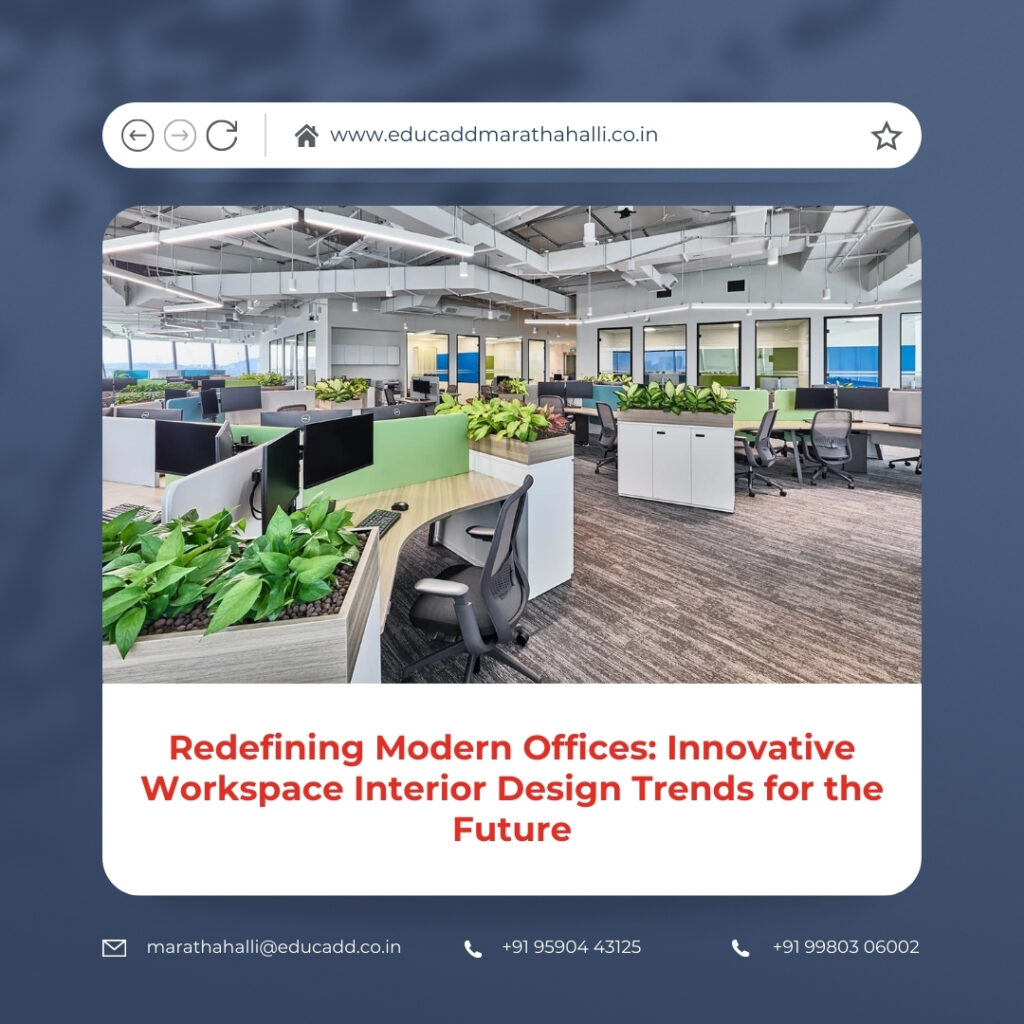
Modern Office Design Trends
1. Nature-Infused Design: Creating Healthier Work Environments
One of the most prominent trends in Modern Office Design Trends is the integration of natural elements into office spaces. This approach focuses on improving mental well-being and reducing stress by bringing aspects of nature indoors. Natural light, indoor plants, and organic materials play a significant role in achieving this effect.
Large windows and open layouts allow sunlight to enter freely, creating a bright and welcoming atmosphere. Indoor plants not only enhance visual appeal but also improve air quality. Materials such as wood, stone, and bamboo add warmth and texture, making the workspace feel more inviting. By incorporating nature into office design, organizations can create environments that promote relaxation, focus, and overall employee wellness.
2. Agile Workspaces: Supporting Flexible Work Styles
Modern offices are being designed with flexibility in mind to support a wide range of work styles. Agile workspaces allow employees to move freely between different areas based on their tasks and preferences.
Movable furniture, modular layouts, and adaptable spaces enable quick reconfiguration. Employees can choose between open collaboration areas, quiet zones, and private meeting rooms. This flexibility enhances efficiency and encourages employees to work in environments that suit their needs. Agile design also helps organizations make better use of available space, ensuring that every area serves a purpose.
3. Technology-Enabled Offices: Enhancing Efficiency
The integration of technology into Modern Office Design Trends has become essential in today’s digital era. Offices are now equipped with smart systems that improve convenience, efficiency, and connectivity.
Automated lighting and climate control systems adjust based on occupancy and usage, helping reduce energy consumption. Advanced communication tools support seamless collaboration between remote and in-office teams. Meeting rooms are designed with integrated screens, video conferencing equipment, and wireless connectivity to enhance productivity. Technology-enabled offices create a more responsive and efficient working environment.
4. Eco-Conscious Design: Building Sustainable Workspaces
Sustainability is a key focus in modern workspace design. Organizations are adopting eco-friendly practices to reduce their environmental impact while creating healthier environments for employees.
Designers are using recycled materials, energy-efficient lighting, and sustainable furniture to minimize waste. Green building certifications and environmentally responsible practices are becoming more common. Offices are also incorporating renewable energy solutions and water-saving systems. Eco-conscious design not only benefits the environment but also enhances the organization’s reputation and attracts environmentally aware talent.
5. Collaboration Hubs: Encouraging Innovation and Interaction
Collaboration remains a vital component of workplace success, and modern office design reflects this priority. Dedicated collaboration hubs are being created to encourage teamwork and idea sharing.
These spaces are designed with comfortable seating, open layouts, and interactive elements such as whiteboards and digital displays. Employees can gather to brainstorm, discuss projects, and solve problems in a relaxed environment. By providing spaces that foster communication, organizations can improve creativity and strengthen team dynamics.
6. Focus Areas: Supporting Deep Work and Concentration
While collaboration is important, employees also need quiet environments to concentrate on complex tasks. Modern workspace design includes dedicated focus areas that minimize distractions.
Soundproof booths, private workstations, and acoustic solutions help create peaceful environments for deep work. These spaces are essential for tasks that require attention and confidentiality. By offering a balance between collaborative and quiet areas, organizations can support different working styles and improve overall productivity.
7. Ergonomic Workspaces: Enhancing Comfort and Health
Employee health and comfort are central to modern workspace design. Ergonomic solutions help prevent physical strain and improve overall well-being.
Adjustable chairs, sit-stand desks, and properly aligned workstations are essential features. Good lighting and proper screen positioning reduce eye strain and fatigue. By investing in ergonomic design, organizations can create healthier work environments, reduce absenteeism, and improve employee satisfaction.
8. Minimalist Design Approach: Simplifying the Workspace
Minimalism continues to influence workspace interiors, focusing on simplicity, functionality, and clarity. Clean lines, neutral colors, and uncluttered spaces create a calm and organized environment.
This design approach ensures that every element has a purpose, reducing distractions and enhancing focus. Subtle textures and balanced lighting add depth without overwhelming the space. Minimalist workspaces promote efficiency by creating environments that are easy to navigate and maintain.
9. Brand-Centric Interiors: Reflecting Organizational Identity
Modern offices are designed to reflect the identity and values of the organization. Interior design elements such as color schemes, artwork, and layouts are aligned with the brand’s personality.
This approach helps create a cohesive and memorable environment for both employees and visitors. Brand-centric interiors reinforce company culture and foster a sense of belonging among employees. A well-designed workspace can communicate innovation, professionalism, and creativity, strengthening the organization’s image.
10. Space-Saving Solutions: Smart Furniture Choices
Efficient use of space is a critical aspect of modern workspace design, especially in urban areas where space is limited. Smart furniture solutions help maximize functionality without compromising comfort.
-
Foldable and modular furniture allows easy reconfiguration of spaces
-
Storage-integrated designs help keep the workspace organized and clutter-free
These solutions enable offices to adapt to changing needs while maintaining a clean and efficient environment. Space-saving furniture is particularly valuable in flexible workspaces where versatility is essential.
11. Wellness-Focused Design: Prioritizing Employee Well-Being
Modern Office Design Trends wellness has become a major priority in interior design. Offices are being designed to support physical, mental, and emotional well-being.
Features such as natural lighting, proper ventilation, and relaxation areas contribute to a healthier work environment. Some organizations also include fitness spaces, meditation rooms, and wellness zones. By prioritizing employee well-being, businesses can improve morale, reduce stress, and enhance productivity.
12. Acoustic Planning: Reducing Noise Disruptions
Noise management is a crucial factor in workspace design, particularly in open-plan offices. Effective acoustic planning helps create a comfortable and productive environment.
Sound-absorbing materials, carpets, and acoustic panels are used to reduce noise levels. Strategic layout design ensures that noisy areas are separated from quiet zones. This approach allows employees to work without distractions, improving focus and efficiency.
13. Strategic Use of Colors: Shaping Workplace Atmosphere
Color plays a powerful role in influencing mood and productivity within the workspace. Designers use color strategically to create specific atmospheres in different areas.
-
Blue tones are often used to promote calmness and concentration
-
Bright colors like yellow and orange encourage creativity and energy
By carefully selecting color schemes, organizations can create environments that support different activities and enhance employee performance. A well-balanced color palette contributes to both functionality and visual appeal.
14. Adaptive Design: Preparing for Future Needs
As the nature of work continues to evolve, offices must be designed to adapt to future changes. Adaptive design focuses on flexibility, scalability, and long-term usability.
This approach includes modular layouts, durable materials, and technology integration that can be easily upgraded. By planning for future needs, organizations can reduce the need for frequent redesigns and ensure that their workspaces remain relevant. Adaptive design enables businesses to stay competitive in a rapidly changing environment.
Conclusion
Modern Office Design Trends is no longer limited to aesthetics; it plays a critical role in shaping how organizations operate and succeed. The trends discussed in this blog highlight the importance of creating environments that are flexible, sustainable, and employee-focused. From nature-inspired elements to technology-driven solutions, each trend contributes to a more efficient and engaging workspace.
Organizations that invest in thoughtful interior design can create offices that inspire creativity, enhance collaboration, and support well-being. As work continues to evolve, the ability to adapt and innovate in workspace design will be key to long-term success. By embracing these modern trends, businesses can build work environments that not only meet current needs but also prepare for the future.

