
Illuminating Spaces: The Art of Modern Interior Lighting
Lighting shapes the soul of every interior space. It goes beyond mere illumination to influence mood, perception, and functionality. Modern Interior Lighting Design has evolved into a vital design element that balances aesthetics, comfort, and utility. Every corner, surface, and material interacts differently with light, transforming ordinary rooms into dynamic, inviting environments.
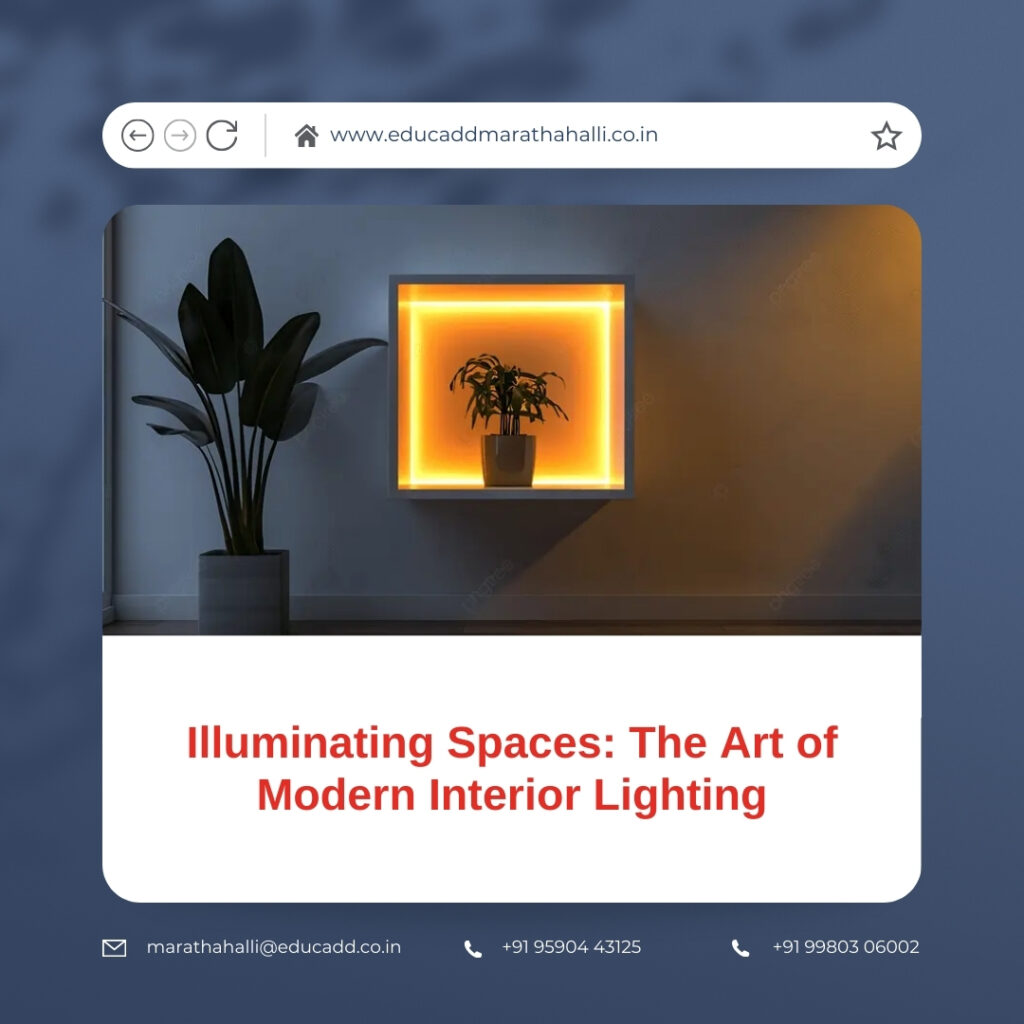
Modern Interior Lighting Design
Modern interiors rely on thoughtful lighting strategies to create depth and atmosphere. Whether through natural sunlight or carefully chosen fixtures, lighting orchestrates how spaces are experienced and appreciated. In this blog, we explore why lighting is indispensable in modern design, its emotional impact, and how it elevates interiors to a refined, functional, and inspiring level.
1. Lighting as the Structural Backbone of Interiors
In contemporary design, lighting is not an afterthought. It serves as the framework around which interiors are structured. Modern Interior Lighting Design is crucial in defining spatial boundaries, guiding attention, and shaping perception.
Layered lighting—combining overhead, task, and accent lights—ensures versatility. A living area, for instance, may require bright illumination for work or reading, and soft, ambient light for relaxation. Highlighting architectural features, such as textured walls or ceiling details, enhances the visual appeal. Recessed fixtures, cove lights, and hidden LEDs contribute to the clean, minimalistic feel that characterizes modern spaces.
2. The Emotional Influence of Light
Lighting affects more than visual comfort; it deeply impacts human emotions. Properly designed illumination can make interiors feel calming, energizing, or intimate. Here, the role of lighting in modern interiors touches the psychological dimension of design.
Warm tones evoke relaxation in bedrooms and lounges, while cooler lights improve focus in workspaces. Restaurants and hospitality venues use dimmable lights to set a cozy ambiance, whereas retail environments favor brighter illumination to energize shoppers. Human-centric lighting systems adjust intensity and color throughout the day, aligning with natural circadian rhythms to promote wellbeing.
3. Harmonizing Natural and Artificial Light
Modern interiors thrive on the careful interplay of sunlight and artificial lighting. Expansive windows, skylights, and glass walls maximize daylight, while strategically placed artificial sources maintain balance as natural light changes.
The role of lighting in modern interiors emerges in how these elements complement each other. For example, LED strips under shelving or along coves enhance shadowed corners, while pendant fixtures define focal points. Integrating smart dimmers ensures smooth transitions between day and night, maintaining both visual comfort and energy efficiency. This harmony creates spaces that feel vibrant during daylight hours and welcoming in the evening.
4. Lighting as a Design Statement
In contemporary interiors, lighting doubles as a form of art. Fixtures such as sculptural chandeliers, wall-mounted accents, and decorative LEDs are not only functional but expressive. The role of lighting in modern interiors extends into creativity, allowing designers to convey character and style.
Statement pieces can redefine a room. A bold chandelier in a minimalist living area commands attention, while artistic wall sconces transform hallways into gallery-like passages. Even subtle lighting effects, such as hidden LED strips highlighting furniture, add dimension and drama. Shadow play and reflective surfaces further enhance the artistic potential of light, making it an integral part of interior storytelling.
5. Smart and Sustainable Lighting for the Future
The future of interior lighting is smart, sustainable, and personalized. Technological advancements allow homeowners to adjust brightness, color, and ambiance via mobile apps or voice commands. This flexibility ensures interiors adapt to different activities and moods.
The role of lighting in modern interiors now includes eco-conscious strategies. Energy-efficient LEDs, solar-powered designs, and recycled materials reduce environmental impact while delivering superior performance. Adaptive lighting systems respond to occupancy, daylight levels, and user preferences, making interiors more responsive and user-friendly. The result is a space that is both intelligent and sustainable, designed for modern lifestyles.
Conclusion
Lighting is no longer merely a functional necessity; it is the heartbeat of modern interiors. It defines mood, emphasizes design, and enhances the way people interact with space. Modern Interior Lighting Design is comprehensive, influencing aesthetics, comfort, and lifestyle.
From blending natural and artificial sources to integrating artful fixtures and smart systems, lighting transforms interiors into vibrant, engaging, and personalized environments. Thoughtful lighting design ensures that spaces are not just seen but truly experienced—turning everyday interiors into inspiring, livable works of art.

