
Transforming Interiors: The Power of CAD Software in Modern Design Planning
Interior design has evolved far beyond simply arranging furniture or selecting color palettes. Today’s designers must balance creativity, functionality, and efficiency while meeting increasingly sophisticated client expectations. One of the most transformative tools enabling this balance is Modern Interior CAD Planning. This technology allows designers to bridge imagination and reality, creating precise, immersive, and highly detailed visualizations of spaces before implementation begins. From residential projects to large-scale commercial interiors, CAD software streamlines processes, improves communication, and enhances both creativity and accuracy. This blog explores the multiple ways CAD software reshapes interior design, highlighting its advantages, practical applications, and future potential.
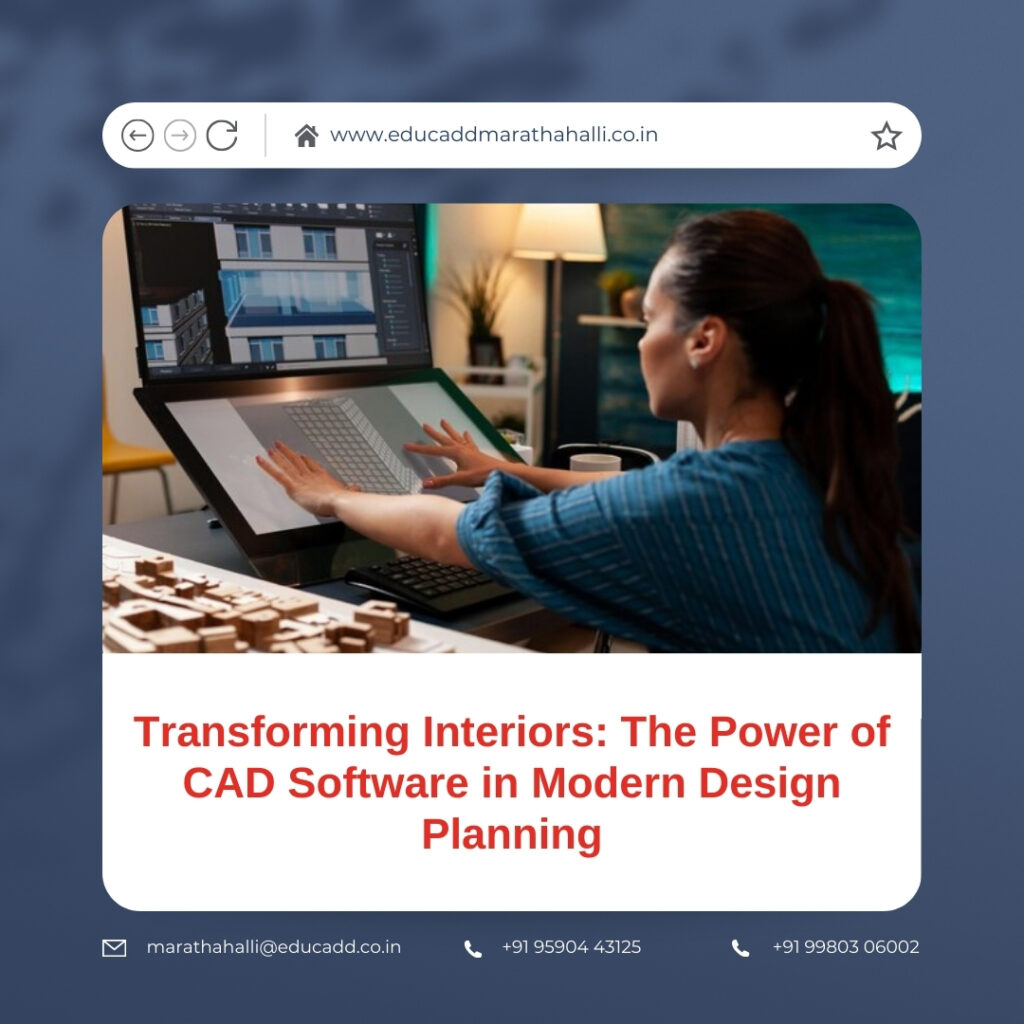
Modern Interior CAD Planning
The Intersection of Tradition and Technology in Interior Design
Interior design has historically been rooted in artistry, craftsmanship, and architectural knowledge. Designers once relied solely on hand-drawn sketches, scale models, and physical material samples. While these methods allowed for creativity, they often introduced errors and inefficiencies. The integration of Modern Interior CAD Planning marks a turning point. Digital tools now enable designers to translate concepts into precise models, test multiple layouts, and visualize finishes without manual trial-and-error. This blend of traditional principles and modern technology allows for greater experimentation while ensuring technical accuracy, revolutionizing how spaces are conceptualized and realized.
Understanding CAD Software: Beyond Drawing Tools
CAD software, short for computer-aided design, is a digital platform for creating, modifying, and analyzing design projects in both 2D and 3D formats. Unlike conventional sketches, CAD allows for interactive modeling where furniture placement, lighting, textures, and spatial flow can be simulated digitally. Leading programs such as AutoCAD, SketchUp, Revit, and 3ds Max provide a combination of technical precision and creative freedom. By using these tools, interior designers can develop comprehensive plans, realistic visualizations, and highly accurate models that communicate design intent clearly to clients and contractors alike.
Achieving Precision in Floor Plans
One of the primary benefits of Modern Interior CAD Planning is the precision it offers in floor planning. Accurate measurements, wall placements, and room dimensions can be digitally drafted and adjusted instantly. Unlike hand-drawn layouts, CAD models eliminate measurement errors and allow for multiple iterations with minimal effort. Designers can experiment with furniture arrangements, room shapes, and functional zoning to optimize space utilization. This precision ensures that interiors not only look aesthetically pleasing but are also practical and functional for everyday use, ultimately saving time, reducing costs, and minimizing post-construction adjustments.
Bringing Designs to Life with 3D Visualization
Creating compelling visuals is essential for clients to understand and engage with a design. Traditional 2D plans and sketches often fail to convey the full spatial experience. CAD software allows designers to generate photorealistic 3D renderings of interiors, showing furniture layouts, color schemes, textures, and lighting effects in detail. Clients can virtually navigate their future spaces, gaining a tangible sense of scale and ambiance. This immersive experience enhances communication, reduces misunderstandings, and provides clients the confidence to make informed decisions regarding layouts, materials, and finishes.
Maximizing Space Utilization Effectively
Space management is a crucial aspect of interior design, especially in compact urban environments. CAD tools provide the ability to simulate various furniture configurations, storage solutions, and circulation patterns. Designers can experiment with different spatial arrangements to identify the most efficient layout, ensuring rooms remain functional while retaining aesthetic appeal. By testing multiple scenarios digitally, CAD software minimizes the need for physical trial-and-error and reduces costly modifications during implementation. This capability is particularly valuable for small apartments, office interiors, and multi-functional spaces.
Experimenting with Materials and Colors
Material selection and color coordination are central to creating cohesive interiors. CAD software enables designers to digitally apply materials, textures, and finishes to walls, floors, and furnishings. Wood grains, marble patterns, fabric textures, and paint colors can all be tested virtually. Lighting simulations further help assess how colors and materials interact under natural and artificial lighting throughout the day. This virtual experimentation empowers designers to refine aesthetics, ensure visual harmony, and make informed decisions before procurement, reducing waste and increasing client satisfaction.
Simplifying Documentation and Technical Drawings
Proper documentation is essential for smooth project execution. CAD software allows designers to generate detailed floor plans, elevations, sections, and technical specifications quickly and accurately. These outputs serve as clear instructions for contractors, ensuring that construction and installations align precisely with the design vision. CAD files can be easily updated, shared, and archived, promoting collaboration and reducing miscommunication among team members. By streamlining documentation, designers can maintain a professional workflow and avoid costly mistakes during implementation.
Enhancing Collaboration Across Teams
Interior design projects often involve collaboration between designers, architects, engineers, and clients. CAD software facilitates seamless communication and sharing of design files. Cloud-based platforms allow multiple team members to work on the same model simultaneously, providing real-time updates, version tracking, and instant feedback. This collaborative approach ensures alignment across stakeholders, reduces errors, and enables creative problem-solving. By centralizing project information digitally, CAD tools help teams manage even complex interior design projects efficiently and transparently.
Integrating Sustainability and Energy Efficiency
Sustainable design is increasingly vital in contemporary interior design. CAD software supports eco-friendly decision-making by allowing designers to simulate energy usage, airflow, and lighting effects. Virtual testing helps optimize natural lighting and ventilation, reducing the reliance on artificial energy sources. Designers can experiment with sustainable materials and finishes digitally, minimizing waste and environmental impact. Integrating sustainability early in the design process ensures that interiors are both environmentally responsible and aesthetically pleasing, fulfilling client expectations while supporting broader ecological goals.
Saving Time and Reducing Costs
One of the most practical advantages of CAD software is its ability to save both time and money. By allowing digital testing of layouts, materials, and designs, it reduces the need for repeated physical modifications. Accurate documentation ensures contractors execute projects correctly the first time, minimizing delays and revisions. Clients can approve designs virtually, streamlining decision-making and reducing project timelines. This efficiency translates into significant cost savings, allowing designers to deliver high-quality interiors within budget and on schedule.
Supporting Client-Centric Customization
Clients today expect highly personalized interiors that reflect their unique tastes and lifestyles. CAD software enables designers to offer tailored solutions by simulating various design concepts digitally. Furniture arrangements, storage systems, lighting placements, and decorative elements can all be customized according to client preferences. Multiple design options can be presented for feedback, ensuring clients have a voice in the process. This flexibility enhances client engagement and satisfaction while empowering designers to provide bespoke, functional, and visually compelling interior solutions.
Immersive Experiences with VR and AR
The integration of Virtual Reality (VR) and Augmented Reality (AR) with CAD software is redefining client experiences in interior design. VR allows clients to take fully immersive digital tours of their future interiors, while AR overlays design elements onto real-world spaces for interactive evaluation. These technologies improve spatial perception, provide accurate scale visualization, and create compelling presentations that convey design intent effectively. Immersive experiences help clients understand complex design concepts, make confident decisions, and engage deeply with the creative process.
Emerging Trends and the Future of CAD in Interior Design
The influence of Modern Interior CAD Planning continues to grow as technology evolves. Artificial Intelligence (AI) is being incorporated to generate layout suggestions, predict trends, and automate repetitive tasks. Cloud-based collaboration and mobile access enhance flexibility and accessibility, allowing designers to work anytime, anywhere. As these advancements continue, CAD tools will play an even more central role in shaping interiors, fostering innovation, sustainability, and client satisfaction. Staying current with emerging technologies is essential for interior designers seeking to maintain a competitive edge.
Conclusion
Modern Interior CAD Planning by combining artistic vision with technical precision. From floor planning and 3D visualization to sustainability, collaboration, and customization, its applications are vast and transformative. By bridging the gap between imagination and implementation, CAD tools allow designers to create spaces that are functional, aesthetically pleasing, and aligned with client expectations. As technology continues to advance, the role of CAD software will only grow, making it an indispensable asset for modern interior design professionals who strive to deliver innovative, efficient, and immersive interiors.

