
Walls That Speak: A Complete Guide to Elevating Interiors with Paint, Panels, and Wallpaper
For many years, walls were treated as simple boundaries—painted, plain, and often overlooked. Today, Interior Wall Design Ideas has shifted this mindset entirely. Walls now serve as powerful storytelling surfaces that influence emotions, define zones, and enhance the overall identity of a space. Through the thoughtful application of paint, panels, and wallpaper, walls can move beyond functionality and become artistic expressions. This fresh perspective on wall treatments focuses on creativity, balance, and purpose. When used correctly, these elements transform interiors into visually rich and emotionally engaging environments that feel intentional and refined.
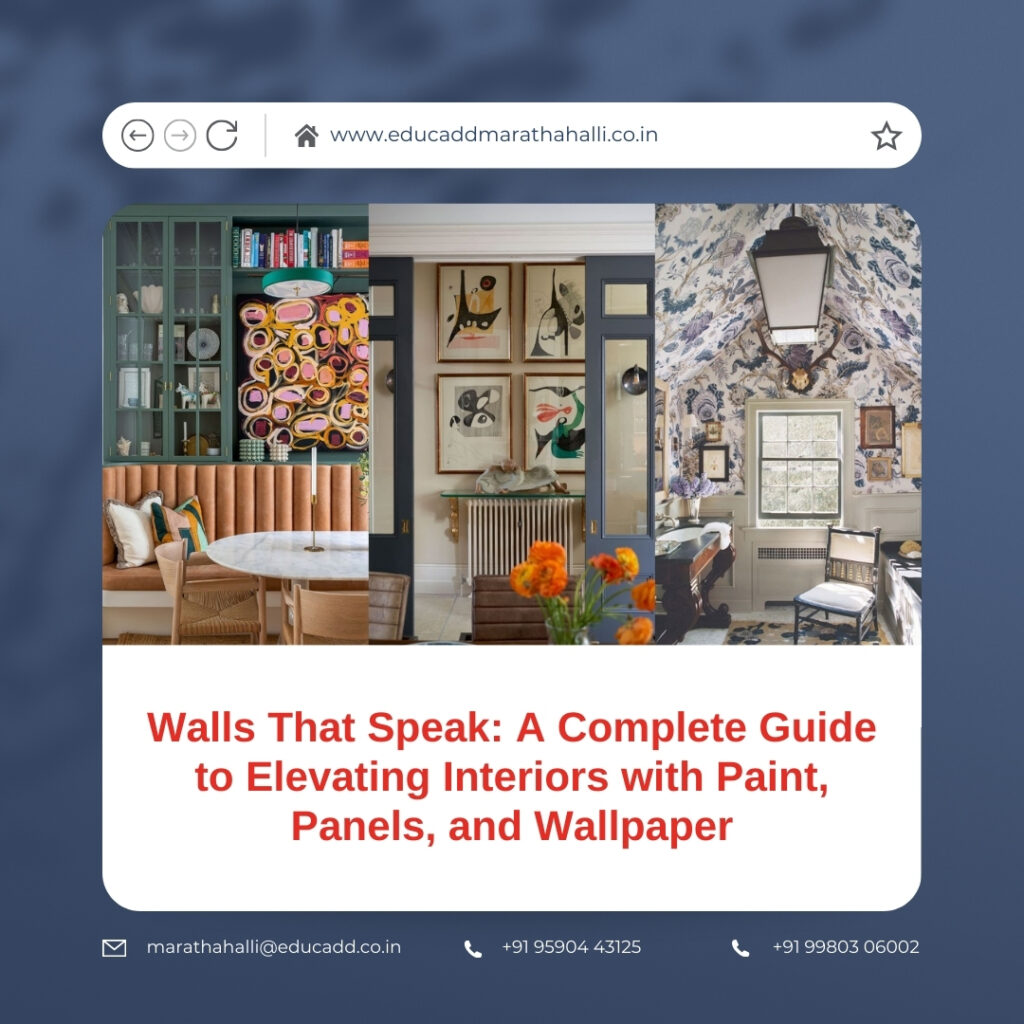
Interior Wall Design Ideas
1. Paint: The Most Versatile Tool in Wall Design
Paint remains the foundation of Interior Wall Design Ideas due to its flexibility, affordability, and transformative power. However, modern interior design no longer treats paint as a simple color choice. Instead, it uses paint as a strategic design element that shapes perception and atmosphere. The selection of finish plays a major role. Matte finishes offer understated elegance, while satin and eggshell finishes provide softness with durability. Gloss and semi-gloss finishes introduce light reflection and visual drama when used sparingly.
Color selection also carries emotional weight. Soft neutrals promote calmness and balance, while bold hues inject energy and personality. Designers increasingly rely on layered paint techniques such as accent walls, tonal gradients, and geometric blocks to create visual depth. Textured paints further expand creative options, allowing walls to mimic concrete, stone, or fabric-like surfaces.
Paint also connects different design elements within a room. It unifies furniture, lighting, and architectural features into a cohesive whole. When applied with intention, paint becomes more than a surface treatment—it becomes the starting point of impactful interior storytelling.
2. Wall Panels: Architectural Depth and Timeless Elegance
Wall panels introduce dimension that flat surfaces cannot achieve. They add structure, rhythm, and tactile interest, making interiors feel layered and thoughtfully designed. Panels come in various materials, including wood, MDF, fabric, PVC, metal, and sustainable composites. Each material offers a distinct character and functional advantage.
Wood panels create warmth and authenticity, often associated with classic and contemporary luxury interiors. Vertical slats and fluted designs enhance spatial proportions by drawing the eye upward. Fabric panels, on the other hand, soften spaces while improving acoustic performance. They work particularly well in bedrooms, offices, and entertainment rooms. Modern 3D panels add sculptural appeal, turning walls into focal points that command attention.
Beyond aesthetics, panels provide durability and protection. They shield walls from damage and reduce maintenance needs in high-traffic areas. In the broader scope of wall treatments, panels act as a bridge between décor and architecture, delivering both visual sophistication and long-term value.
3. Wallpaper: Creating Mood Through Pattern and Texture
Wallpaper has evolved significantly, shedding its outdated reputation and re-emerging as a sophisticated design solution. Contemporary wallpaper designs offer exceptional quality, easy installation, and removable options, making them suitable for modern lifestyles. From minimal textures to bold artistic murals, wallpaper allows walls to express individuality and mood.
Patterns influence how spaces are perceived. Subtle textures add depth without distraction, while geometric designs convey modern precision. Floral and organic patterns introduce softness and warmth, whereas abstract prints add artistic energy. Large-scale murals transform walls into immersive visual experiences, making them ideal for statement areas.
Wallpaper also excels at complementing other wall treatments. When combined with painted surfaces or paneled sections, it enhances contrast and visual interest. As part of a comprehensive wall design approach, wallpaper gives walls a voice, enabling them to reflect personal style and creative intent.
4. Blending Paint, Panels, and Wallpaper for Cohesive Spaces
True design excellence emerges when paint, panels, and wallpaper work together seamlessly. Rather than relying on a single material, modern interiors benefit from layered wall treatments that balance color, texture, and structure. Painted walls often serve as a neutral base, allowing panels and wallpaper to stand out without overwhelming the space.
This combination approach also helps define zones within open layouts. Panels can visually separate workspaces, wallpaper can highlight seating areas, and paint ensures continuity throughout the interior. Careful attention to color harmony and material transitions maintains flow and prevents visual clutter.
Edges, proportions, and placement play critical roles in achieving balance. Clean lines and consistent tones ensure that different treatments complement rather than compete. When executed thoughtfully, this layered strategy showcases the full creative potential of wall design.
5. Practical Advantages of Modern Wall Treatments
While aesthetics often take center stage, wall treatments also deliver practical benefits that enhance everyday living. Acoustic panels reduce noise levels, creating quieter and more comfortable environments. Washable paints and vinyl wallpapers simplify maintenance, making them ideal for kitchens, hallways, and children’s spaces.
Thermal insulation improves with certain panel systems and textured wall coverings, contributing to energy efficiency. Wall treatments also conceal imperfections, wiring, and structural inconsistencies, resulting in cleaner finishes. In commercial spaces, customized wall designs reinforce branding and enhance customer experience.
By combining function with beauty, modern wall treatments support comfort, usability, and long-term durability without compromising visual appeal.
6. Selecting the Right Wall Treatment for Different Interiors
Choosing the appropriate wall treatment requires understanding the purpose and mood of each space. Bedrooms benefit from soothing colors, soft textures, and subtle patterns that encourage relaxation. Living rooms allow for creative expression, often combining bold accent walls with textured panels.
Workspaces demand balance. Neutral paint palettes paired with acoustic panels support focus and productivity. Retail and hospitality interiors rely on visually striking walls to leave memorable impressions, often using murals or sculptural panels. Lighting conditions also influence material choices, as natural and artificial light alter color depth and texture visibility.
Budget and maintenance considerations further guide decisions. Paint offers flexibility and cost efficiency, while panels and wallpaper provide durability and design impact. A thoughtful selection process ensures walls enhance both form and function.
7. Emerging Trends in Wall Design
The future of Interior Wall Design Ideas reflects a growing emphasis on sustainability, personalization, and sensory engagement. Eco-friendly paints, recycled materials, and biodegradable wallpapers align with environmentally conscious design practices. Custom-printed wallpapers and digitally fabricated panels allow for unique, tailored interiors.
Nature-inspired designs continue to gain popularity. Organic textures, earthy tones, and biophilic patterns foster a sense of calm and connection. Technological integration is also shaping wall design, with smart panels incorporating lighting and acoustic features.
As innovation continues, wall treatments evolve into dynamic elements that respond to both aesthetic and functional needs.
Conclusion: Transforming Interiors One Wall at a Time
Walls shape how spaces are experienced, remembered, and enjoyed. Through the intentional use of paint, panels, and wallpaper, walls can become expressive, functional, and enduring design elements. The true value of thoughtful Interior Wall Design Ideas lies in their ability to balance creativity with practicality. When walls are designed with care and purpose, they elevate interiors beyond decoration, turning everyday spaces into environments that inspire comfort, identity, and lasting visual impact.

