
Build a Winning Portfolio as an Aspiring Interior Designer
In the world of interior design, your talent alone will not guarantee opportunities. You need a carefully crafted portfolio that showcases your design thinking, creativity, and skills. A Interior Designer Portfolio Tips acts as your silent spokesperson, attracting clients, internships, and job opportunities while building your personal brand.
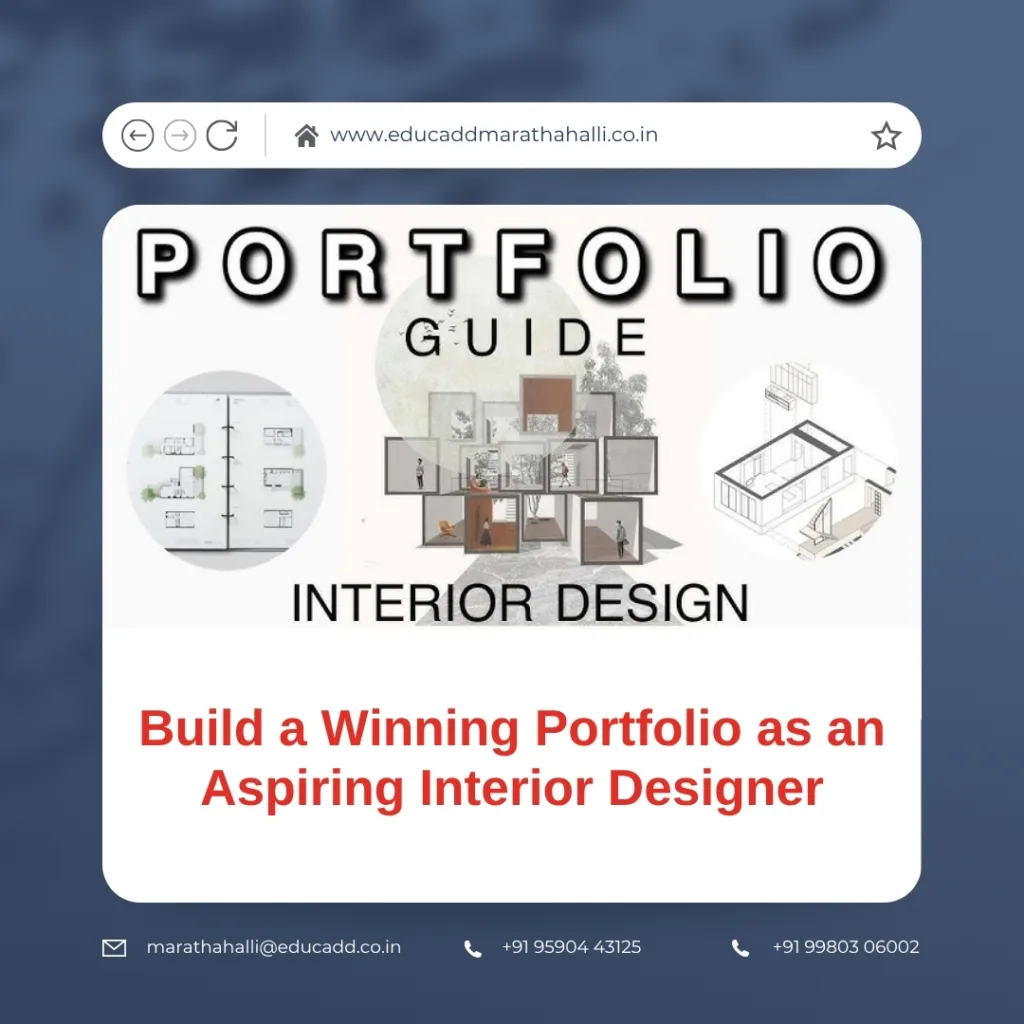
aspiring interior designer portfolio tips for success
Today, let’s explore actionable portfolio tips for aspiring interior designers that will transform your collection of projects into a strategic tool for your career growth.
1️⃣ Understand the Purpose of Your Portfolio
Your portfolio is more than a folder of completed projects. It is your personal marketing tool, helping you:
✅ Present your design approach clearly
✅ Highlight your creativity and technical skills
✅ Communicate your design philosophy
✅ Showcase your versatility while maintaining your unique style
A strong portfolio tells a compelling story about you as a designer, helping employers and clients understand why they should choose you over others.
Let Your Work Speak
Many beginners feel compelled to overload their portfolio with every project they have done. Instead, let your best work speak, showing your strengths and your journey as a designer.
Tailor for Your Target Audience
If you are applying for a residential interior design role, ensure your portfolio reflects projects aligned with residential spaces. For commercial design roles, highlight your ability to design for functionality and branding. Aligning your portfolio with your goals is essential for creating impact.
2️⃣ Curate Your Projects Wisely
One of the most important portfolio tips for aspiring interior designers is to curate, not just compile. Quality over quantity always wins.
Select Projects Strategically
Include 8–12 strong projects that showcase your range while maintaining consistency in your design language. Projects could include:
✅ Residential designs
✅ Commercial spaces
✅ Hospitality interiors
✅ Conceptual projects
✅ Academic projects
Highlight Your Design Process
Many designers only include final photos or renders. However, employers and clients are interested in your design process. Incorporate:
✅ Concept sketches
✅ Mood boards
✅ Space planning diagrams
✅ Material palettes
This approach helps your audience understand how you develop and refine ideas, which is critical in the design industry.
Demonstrate Problem-Solving Skills
Include brief write-ups for each project explaining:
✅ The design challenge
✅ Your approach
✅ The solution and outcome
These narratives will showcase your ability to analyze, ideate, and deliver results effectively.
3️⃣ Invest in Presentation and Layout
Presentation can make or break your portfolio. A messy, inconsistent layout can undermine even the best projects. Hence, focus on structure, consistency, and visual hierarchy to ensure a seamless viewing experience.
Choose the Right Format
Digital portfolios are essential in today’s design industry, allowing you to share your work easily with potential clients and employers. However, maintaining a high-quality printed version can also leave a lasting impression during interviews or meetings.
Maintain Consistency
✅ Use uniform fonts and colors
✅ Ensure image sizes align throughout
✅ Keep margins and spacing consistent
Consistency reflects your attention to detail, a critical trait for interior designers.
Prioritize Image Quality
Always use high-resolution images, clean renders, and professional photographs. Avoid clutter and ensure each image is purposeful, showcasing your work in the best light.
4️⃣ Keep Your Portfolio Updated
Your portfolio should evolve as you gain experience and refine your style. One of the practical portfolio tips for aspiring interior designers is to update your portfolio at least twice a year.
Replace Outdated Work
As you develop your skills, replace older projects that no longer align with your current style or expertise. This will ensure your portfolio accurately represents your capabilities.
Add New Projects Regularly
Include new projects, internships, or freelance work that align with your goals. If you’re aiming for sustainable design roles, showcase your recent sustainable projects to attract the right opportunities.
Seek Feedback
Before finalizing updates, share your portfolio with mentors or industry professionals to gain constructive feedback. This can help you refine the narrative and presentation further.
5️⃣ Advanced Portfolio Tips to Stand Out
Once you have the basics in place, go the extra mile with these advanced portfolio tips for aspiring interior designers:
Incorporate Personal Projects
If you lack client work, consider adding personal projects to showcase your creativity. Conceptual designs, competition entries, or reimaginings of existing spaces can demonstrate your initiative and vision.
Include Testimonials
Positive feedback from clients, internship supervisors, or faculty members can add credibility to your portfolio. Testimonials can also highlight your professionalism and work ethic.
Leverage Digital Platforms
Consider creating an online portfolio using platforms like Behance, Wix, or your personal website. This increases your reach and enables potential clients to discover your work easily.
Use Storytelling Techniques
Rather than dumping images in your portfolio, build a story around each project. Use project titles, captions, and consistent narratives to maintain engagement.
Prepare a One-Page Teaser
In addition to your detailed portfolio, create a one-page teaser highlighting your best projects. This can be useful for networking events, quick introductions, and interviews.
Final Words: Build, Refine, and Share Your Portfolio
Building a Interior Designer Portfolio Tips is a continuous journey. It requires careful selection of projects, clear storytelling, and consistent updates to align with your evolving goals.
By applying these portfolio tips for aspiring interior designers, you will be equipped to showcase your skills with confidence, whether you are applying for internships, freelance work, or your first full-time role.
Remember, your portfolio is not just a reflection of your work but of your commitment to the design field. It is your tool to communicate your potential, creativity, and readiness to contribute to the industry.

