
Where Function Meets Style: The New Era of Commercial Interior Design
Every commercial space carries a purpose, a personality, and a message. Well-designed interiors bring these elements to life by shaping how people think, feel, and behave within an environment. Whether it’s a buzzing office, a vibrant mall, a dynamic retail store, or a modern co-working hub, Commercial Interior Design Trends now guides how businesses create meaningful experiences for employees, customers, and visitors.
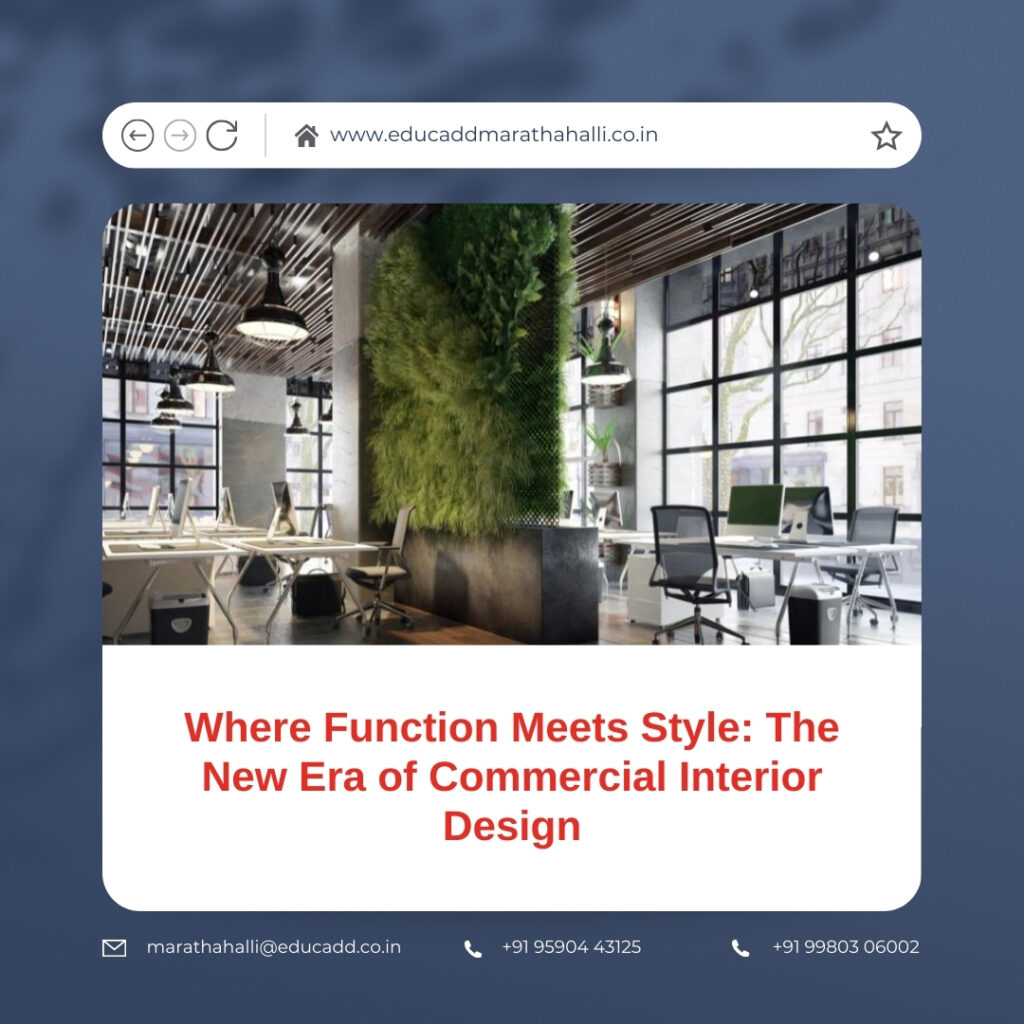
Commercial Interior Design Trends
This detailed guide explores the deeper role of design in transforming commercial spaces—from boosting performance to elevating brand identity.
1. Workspaces Built for Performance and People
The modern workplace is far more than a collection of desks and meeting rooms. Today, companies aim to create environments that help teams collaborate better, stay motivated, and feel inspired every day. That is why Commercial Interior Design Trends places people at the center of every layout and material choice.
A productive office blends several zones seamlessly. Collaborative areas encourage brainstorming, while silent corners support deep focus. Designers also use ergonomic furniture to reduce fatigue and long-term discomfort. Smart placement of greenery improves air quality and adds a refreshing visual touch that keeps stress levels lower.
Lighting, especially natural light, plays a big role in mood and efficiency. Large windows, reflective surfaces, and open layouts help sunlight travel deeper into the workspace. This leads to better energy, sharper focus, and reduced dependence on artificial lighting.
Branding also shapes the overall experience. Offices reflect values through their colours, artwork, furniture styles, and layout choices. When a visitor enters an office that tells a clear visual story, trust builds instantly. Employees, too, feel more connected to a company that invests in a well-designed environment.
Workplace flexibility is another major focus. Modular partitions, multi-use furniture, and adaptable meeting rooms help teams shift seamlessly through different kinds of work. As companies grow, flexible design allows them to expand without massive reconstruction. This adaptability ensures that the office stays relevant for years.
2. Retail & Mall Interiors That Influence Choices and Create Memorable Experiences
Retail spaces have transformed from simple product displays to high-engagement environments that shape how consumers think and shop. Malls and stores now rely heavily on Commercial Interior Design to influence customer flow, increase interaction, and strengthen brand presence.
Store entrances serve as the first impression. Bold colours, attractive displays, and clear branding invite people inside. Once shoppers enter, a smooth circulation path guides them through key sections. This encourages browsing and increases the time customers spend exploring products.
Lighting also affects buying behaviour. Bright lighting highlights merchandise, while accent lighting creates drama around premium items. Textures and colours work together to evoke a particular mood—luxury, energy, calmness, or excitement.
In malls, interior design enhances the overall experience rather than focusing on one brand. Spacious walkways, themed décor, and interactive installations create a joyful environment. Seating zones help visitors rest, while greenery and fountains add a relaxing vibe. Food courts designed with fresh, inviting aesthetics draw families, professionals, and students to spend more time inside.
Retailers are also using digital integration to stay competitive. Digital signboards, touchscreen displays, and immersive projections turn stores into interactive environments. This blend of technology and design makes shopping more engaging and encourages visitors to return.
At a time when online shopping continues to grow, physical stores must offer value beyond convenience. Thoughtful design delivers this through emotional connection, experience, and brand storytelling.
3. Intelligent Space Planning That Maximizes Every Square Foot
Every successful commercial project begins with strong space planning. Without strategic allocation and zoning, even a visually beautiful space fails in function. Commercial Interior Design starts with understanding the users, the activities within the space, and the goals of the business.
Workplaces rely on balanced zoning to reduce distractions and support different tasks. Meeting rooms stay grouped to manage noise. Lounge areas sit near refreshment zones for easy access. Departments that collaborate frequently remain placed close to one another, reducing unnecessary movement.
Retail and mall layouts require a different strategy. Designers study customer behaviour, footfall patterns, and product priorities before mapping paths. High-demand items often sit deeper inside the store to pull customers through multiple sections. Clear signage helps shoppers move confidently without confusion.
Accessibility is essential for all commercial spaces. Wide corridors, ramps, proper lighting, and clear markings ensure the space is safe and usable for everyone. Designers also focus on emergency exits, ventilation, and visibility lines to raise overall comfort and safety.
Technology amplifies effective planning. With 3D visualisation tools, designers can preview the final layout and make necessary adjustments long before construction starts. This saves time, reduces costs, and leads to a more polished final result.
When the planning stage is handled with care, the final interior performs smoothly. People feel comfortable, operations run efficiently, and the space carries a sense of harmony.
4. Material Selection, Aesthetic Layers, and Branding Elements That Tell a Story
Materials define the identity of every commercial environment. They influence durability, maintenance, comfort, and even emotional response. Because of this, material selection becomes a core step in Commercial Interior Design.
Offices benefit from soft surfaces, warm wooden elements, and acoustic materials that reduce noise. These choices make the workspace more relaxing and help teams stay focused. For retail interiors, designers often use glossy textures, bold hues, and bright surfaces to grab attention instantly.
Aesthetics decide how the space feels. Designers blend colours, patterns, and lighting in a way that creates cohesion. Accent walls, artworks, and statement pieces add character and break visual monotony. When aesthetics align with the brand image, the space becomes a natural extension of the company’s identity.
Brand visibility must stay consistent through signage, design motifs, colour palettes, and spatial patterns. A well-branded interior communicates professionalism and strengthens customer trust. Visitors remember what they see, and a strong visual identity keeps the business fresh in their minds.
Sustainable material choices are becoming extremely popular. Eco-friendly paints, energy-efficient fixtures, recycled wood, and low-emission materials add long-term value. They promote health, reduce environmental impact, and lower operational costs.
By blending durability, beauty, and brand alignment, designers craft interiors that leave a lasting impression.
5. Trends That Are Redefining the Future of Commercial Interiors
The landscape of Commercial Interior Design continues to evolve as technology, lifestyle changes, and global priorities influence expectations. Staying ahead of these trends helps businesses remain relevant.
Smart technology leads the transformation. Automated lighting, sensor-based climate control, digital wayfinding tools, and touch-free systems enhance convenience. Offices are adopting smart desk booking systems and digital collaboration tools that integrate seamlessly into the interiors.
Hybrid work culture is shaping modern workplaces. Spaces now feature flexible layouts, movable partitions, multipurpose furniture, and tech-enabled lounges. Employees can shift between focus zones, collaboration areas, and quiet corners with ease.
Retail design is moving toward immersive storytelling. Projection mapping, LED walls, scent-based experiences, and interactive visual setups create unforgettable moments for customers. Stores are becoming experiential hubs rather than purely transactional spaces.
Biophilic design continues to rise. Designers use natural textures, indoor plants, organic shapes, and earthy colour schemes to create calming environments. These choices reduce stress, improve air quality, and make interiors more welcoming.
Sustainable practices are becoming essential, not optional. Businesses are exploring green building certifications, renewable materials, and energy-efficient solutions. These decisions support environmental responsibility and appeal to conscious consumers.
The design trends of tomorrow aim to create smarter, healthier, and more emotionally engaging commercial spaces.
Conclusion
Commercial interiors have the power to influence behaviour, strengthen brand identity, and elevate everyday experiences. From motivating employees in offices to guiding shoppers in malls and retail stores, the impact of Commercial Interior Design Trends is deep and lasting. When creativity meets strategy, every space transforms into an environment that supports growth, improves efficiency, and builds meaningful connections.
As businesses evolve, investing in thoughtful design ensures they stay future-ready, visually appealing, and emotionally engaging for everyone who steps inside.

