
Mastering the Digital Construction Ecosystem: A Complete Guide to BIM Modeler, Coordinator, and Manager Roles
The architecture, engineering, and construction industry is experiencing a powerful transformation driven by digital technologies. Among these innovations, BIM Roles Career Guide revolutionary approach that enhances how projects are designed, executed, and maintained. It brings together data, visualization, and collaboration into a single, integrated workflow that improves efficiency and accuracy at every stage.
As organizations increasingly adopt BIM, the need for clearly defined roles becomes more important than ever. Each role within the BIM framework contributes to a specific aspect of project development, ensuring that workflows remain organized and productive. Without structured roles, even the most advanced tools can fail to deliver optimal results.
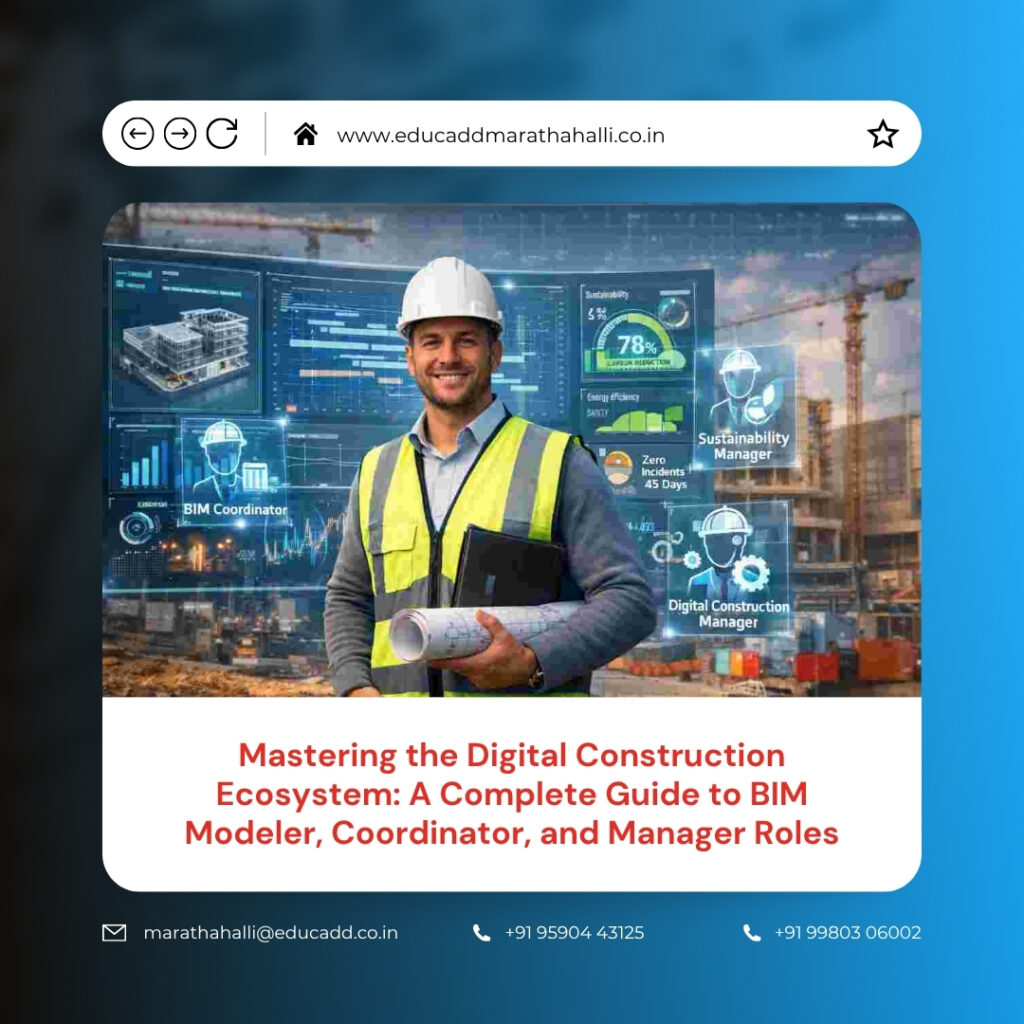
BIM Roles Career Guide
This comprehensive guide explores the three BIM Roles Career Guide: Modeler, Coordinator, and Manager. It explains their responsibilities, required skills, and how they collaborate to achieve project success. Whether you are entering the field or planning to upgrade your expertise, understanding these roles will help you navigate the BIM ecosystem with confidence.
1. Understanding BIM in the Modern Construction Landscape
Building Information Modeling is not limited to 3D modeling. It represents a holistic process that integrates design, construction, and operational data into a single digital environment. This approach enables stakeholders to visualize every aspect of a project before physical construction begins.
Through BIM, teams can identify potential challenges early and make informed decisions. This proactive approach reduces errors, saves time, and minimizes costs. As a result, BIM has become an essential component of modern construction practices.
Furthermore, BIM supports collaboration across multiple disciplines. Architects, engineers, and contractors can work together in real time, ensuring that all project elements align perfectly. This level of coordination enhances overall project quality and efficiency.
2. Why Defined BIM Roles Are Essential
Clearly defined roles are the backbone of a successful BIM implementation. Each role focuses on a specific set of tasks, ensuring that responsibilities are distributed effectively. This structure prevents confusion and promotes accountability within the team.
When roles are well-defined, communication becomes more efficient. Team members understand their responsibilities and know whom to approach for specific issues. This clarity reduces delays and enhances productivity.
Additionally, defined roles help maintain consistency across projects. By following standardized workflows, teams can deliver high-quality results consistently. This approach strengthens client trust and improves project outcomes.
3. Introduction to Core BIM Roles
The BIM framework consists of several roles, but three positions form its foundation: BIM Modeler, BIM Coordinator, and BIM Manager. These roles represent different levels of expertise and responsibility within the project lifecycle.
The BIM Modeler focuses on creating detailed digital models based on design inputs. The BIM Coordinator ensures that these models integrate seamlessly across disciplines. Meanwhile, the BIM Manager oversees the entire BIM strategy and ensures that all processes align with project goals.
Together, these roles create a structured workflow that supports efficient project execution. Each role builds upon the work of the others, forming a cohesive system that drives success.
4. Deep Dive into the BIM Modeler Role
The BIM Modeler plays a crucial role in transforming design concepts into detailed digital representations. This professional uses specialized software to create accurate 3D models that include architectural, structural, and MEP components.
Modelers must pay close attention to detail, as their work forms the foundation of the entire BIM process. They ensure that every element within the model reflects the design specifications accurately. This precision helps prevent errors during later stages of the project.
In addition, BIM Modelers collaborate closely with designers and engineers. They incorporate feedback and make necessary adjustments to ensure that the model remains up to date. Their ability to adapt quickly plays a key role in maintaining project efficiency.
5. Essential Skills for BIM Modelers
To succeed as a BIM Modeler, individuals must develop a strong combination of technical and practical skills. Proficiency in BIM software tools is essential, as these tools form the core of their daily work.
Modelers also need a solid understanding of construction principles. This knowledge helps them create realistic and functional models that align with real-world requirements. Visualization skills further enhance their ability to interpret complex designs.
Moreover, effective communication is crucial. Modelers often work with multiple team members, and clear communication ensures that all requirements are understood and implemented correctly.
6. Key Responsibilities of a BIM Modeler
The responsibilities of a BIM Modeler extend beyond basic modeling tasks. They play an active role in ensuring that project data remains accurate and up to date throughout the design process.
Some of their primary responsibilities include:
- Creating detailed 3D models based on design specifications
- Updating models regularly to reflect design changes
These tasks require consistency and precision. Modelers must ensure that all components align correctly and meet project standards. Their work directly influences the efficiency of coordination and management processes.
7. Exploring the BIM Coordinator Role
The BIM Coordinator acts as a bridge between different disciplines within a project. This role focuses on ensuring that all models integrate seamlessly and function as a unified system.
Coordinators review models from various teams and identify potential conflicts. By addressing these issues early, they help prevent costly errors during construction. Their work enhances overall project efficiency and reduces delays.
Additionally, BIM Coordinators facilitate communication among team members. They organize coordination meetings and ensure that all stakeholders remain aligned with project objectives.
8. Skills Required for BIM Coordinators
BIM Coordinators must possess advanced technical knowledge and strong analytical abilities. They need to understand complex models and identify potential issues quickly.
Problem-solving skills are essential in this role. Coordinators must develop effective solutions to resolve conflicts and ensure smooth project progress. Strong communication skills also play a vital role in conveying information clearly to different teams.
Leadership qualities further enhance their effectiveness. Coordinators often guide Modelers and ensure that all team members adhere to established standards.
9. Responsibilities of a BIM Coordinator
The BIM Coordinator handles a wide range of responsibilities that focus on maintaining model quality and alignment. Their work ensures that all project components function together seamlessly.
Key responsibilities include:
- Performing clash detection and resolving design conflicts
- Ensuring compliance with BIM standards and workflows
These responsibilities require attention to detail and strong organizational skills. Coordinators play a critical role in maintaining project efficiency and quality.
10. Understanding the BIM Manager Role
The BIM Manager operates at a strategic level, overseeing the entire BIM process. This role involves planning, implementation, and continuous improvement of BIM workflows.
Managers define standards and protocols that guide the entire team. They ensure that all activities align with project objectives and industry best practices. Their leadership helps maintain consistency and efficiency across projects.
BIM Managers also stay updated with emerging technologies. By adopting new tools and methods, they enhance project performance and maintain a competitive edge.
11. Skills That Define a Successful BIM Manager
To excel as a BIM Manager, individuals must combine technical expertise with strong leadership abilities. They need a deep understanding of BIM processes and tools, as well as the ability to develop effective strategies.
Strategic thinking is crucial in this role. Managers must plan workflows, allocate resources, and ensure that projects meet deadlines and quality standards.
Communication skills are equally important. BIM Managers interact with clients, stakeholders, and team members, ensuring that everyone remains aligned with project goals.
12. Responsibilities of a BIM Manager
The responsibilities of a BIM Manager are extensive and require a comprehensive understanding of the project lifecycle. They oversee all BIM activities and ensure that the team follows established standards.
Some of their key responsibilities include:
- Developing and implementing BIM execution plans
- Monitoring team performance and maintaining quality standards
These tasks require a balance of technical knowledge and managerial skills. BIM Managers play a vital role in ensuring project success.
13. Comparing Modeler, Coordinator, and Manager Roles
Each BIM role serves a unique purpose within the project workflow. The BIM Modeler focuses on creating detailed models, while the BIM Coordinator ensures that these models integrate seamlessly. In contrast, the BIM Manager oversees the entire process and provides strategic direction.
This hierarchy creates a structured workflow that enhances efficiency and collaboration. Each role depends on the others, forming a cohesive system that supports project success.
Understanding these differences helps professionals choose the right career path and develop the skills required for growth within the BIM field.
14. Career Opportunities and Growth in BIM
The BIM industry offers extensive career opportunities for professionals at all levels. Individuals can start as Modelers and gradually progress to Coordinator and Manager roles. This career path allows for continuous learning and skill development.
To succeed in this field, professionals must stay updated with the latest technologies and industry trends. Certifications and practical experience play a crucial role in career advancement.
As BIM adoption continues to grow globally, the demand for skilled professionals will increase significantly. This trend creates exciting opportunities for those looking to build a successful career in digital construction.
Conclusion
BIM Roles Career Guide has redefined how construction projects are planned and executed. The roles of BIM Modeler, Coordinator, and Manager form the core of this transformation, each contributing to different aspects of the workflow.
Modelers create the digital foundation, Coordinators ensure seamless integration, and Managers guide the overall strategy. Together, they form a powerful system that enhances collaboration, reduces errors, and improves project outcomes.
By understanding these roles and developing the necessary skills, professionals can position themselves for long-term success in the evolving construction industry. As BIM continues to shape the future, mastering these roles will open doors to endless opportunities in the world of digital construction.

