
From Blueprints to Digital Brilliance: Transforming Civil Engineering Careers with BIM
The construction landscape is experiencing a profound transformation, driven by innovation and digital integration. Among the technologies leading this evolution, Building Information Modeling (BIM) stands out as a revolutionary approach that is reshaping how civil engineering projects are planned, designed, and executed. For ambitious professionals, BIM Civil Engineering Careers is no longer just an emerging trend—it is a powerful career catalyst.
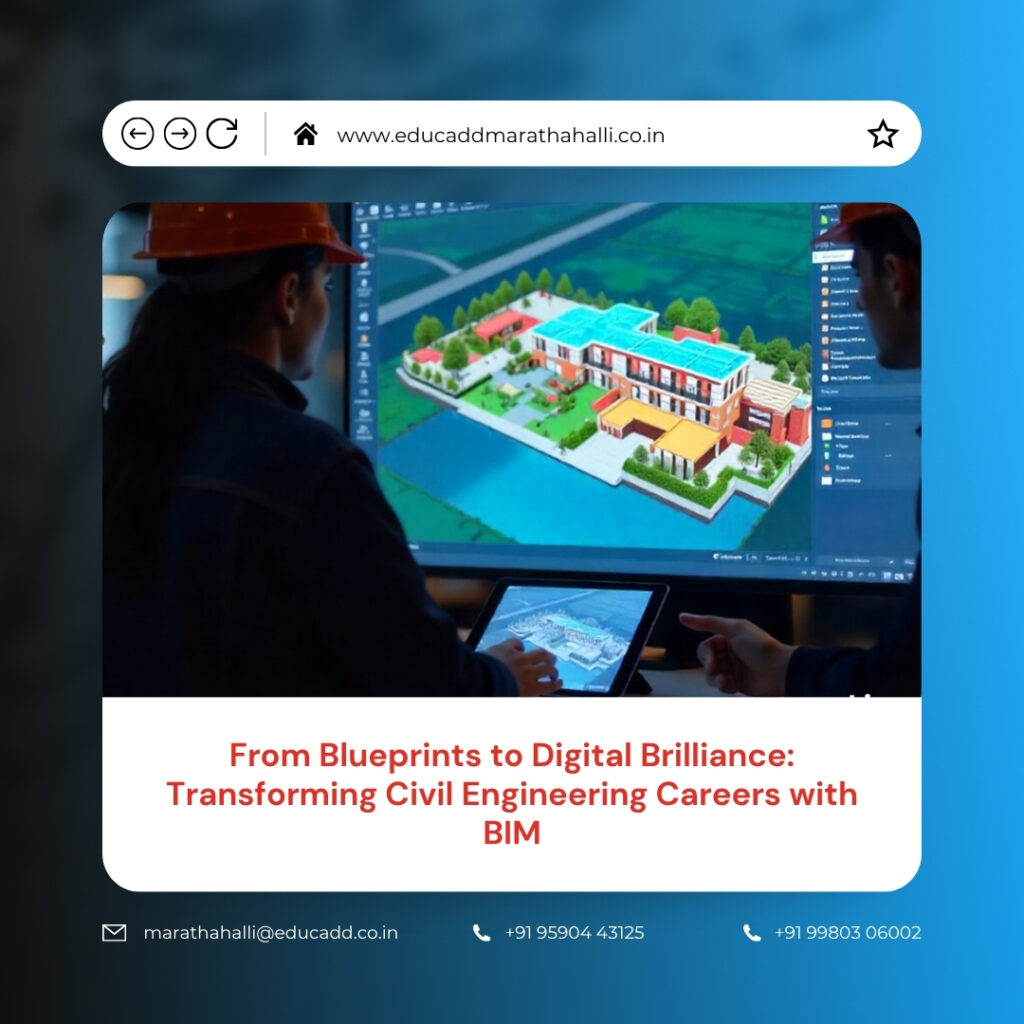
BIM Civil Engineering Careers
As infrastructure projects grow in scale and complexity, traditional workflows are gradually being replaced by intelligent digital systems. BIM Civil Engineering Careers today are expected to collaborate across disciplines, manage data efficiently, and deliver projects with greater precision. BIM enables all of this and more, offering a unified platform that enhances productivity and decision-making. This shift has unlocked a wide spectrum of career opportunities that promise growth, stability, and global relevance.
1. What Makes BIM a Game-Changer in Civil Engineering
Building Information Modeling goes far beyond simple 3D modeling. It creates a comprehensive digital environment where every detail of a construction project is captured, analyzed, and optimized. From structural elements to scheduling data, BIM integrates everything into a single intelligent model.
For civil engineers, this means improved visualization and enhanced accuracy. Instead of relying on disconnected drawings, professionals can now interact with a cohesive model that reflects real-world conditions. This reduces errors and allows for better planning, making BIM a transformative force in the industry.
2. The Rising Demand for BIM Expertise
The increasing adoption of BIM across construction and infrastructure projects has created a surge in demand for skilled professionals. Companies are actively seeking civil engineers who can navigate digital workflows and deliver efficient project outcomes.
This demand is fueled by the need to reduce costs, improve timelines, and enhance collaboration. Engineers with BIM expertise are seen as valuable assets, as they contribute directly to project success. As a result, mastering BIM can significantly boost employability and career prospects.
3. Diverse Career Paths in BIM
One of the most compelling aspects of BIM is the variety of roles it offers. Civil engineers can choose from multiple career paths based on their interests and skills.
- BIM Technician: Focuses on developing detailed models and drawings
- BIM Analyst: Works with data to optimize project performance
These roles represent just a fraction of the opportunities available, highlighting the flexibility and diversity within BIM careers.
4. Starting Strong as a BIM Technician
A BIM Technician role is often the first step for civil engineers entering this domain. This position involves creating and managing digital models, ensuring accuracy, and supporting project teams.
It is an excellent opportunity to gain hands-on experience with BIM tools and workflows. Over time, technicians can expand their skill set and move into more advanced roles, making this a solid foundation for long-term career growth.
5. Coordinating Complex Projects with BIM
As projects become more intricate, the need for coordination becomes critical. BIM professionals play a key role in ensuring that different teams work together seamlessly.
By identifying conflicts early and facilitating communication, they help prevent costly delays. This ability to streamline processes makes BIM specialists essential contributors to project efficiency and success.
6. Leadership Opportunities in BIM Management
For those with experience and ambition, BIM management offers a pathway to leadership. BIM Managers are responsible for implementing strategies, setting standards, and overseeing project execution.
This role requires a combination of technical expertise and managerial skills. Civil engineers who step into this position can influence organizational success while advancing their own careers.
7. Expanding Opportunities Across Sectors
BIM is widely used across various sectors, making it a versatile career choice for civil engineers.
- Transportation and infrastructure development
- Urban planning and smart city projects
This broad application ensures that BIM professionals have access to diverse and dynamic career opportunities.
8. Exploring International Career Prospects
The global adoption of BIM has opened doors for civil engineers to work beyond their home countries. Many nations are investing heavily in digital construction technologies, creating a strong demand for BIM experts.
Professionals with the right skills can explore opportunities in international markets, gaining exposure to advanced projects and diverse work environments. This global reach adds significant value to a BIM career.
9. Financial Growth and Salary Advantages
BIM careers are known for their attractive compensation packages. As demand for skilled professionals increases, so does the earning potential.
Entry-level roles offer competitive salaries, while experienced professionals can command high pay. Continuous skill development further enhances earning prospects, making BIM a financially rewarding career path.
10. Essential Tools and Technologies in BIM
To excel in BIM, civil engineers must be proficient in industry-standard tools. These technologies enable efficient modeling, analysis, and collaboration.
Popular tools include Revit, Navisworks, and Civil 3D. Mastering these platforms not only improves productivity but also increases job opportunities in the competitive market.
11. The Future of BIM in Civil Engineering
The future of BIM is closely linked with emerging technologies such as artificial intelligence, machine learning, and virtual reality. These advancements are set to enhance BIM capabilities and create new possibilities.
Civil engineers who embrace these innovations will be well-positioned for future success. The integration of advanced technologies ensures that BIM will remain a cornerstone of the construction industry.
12. Why BIM is a Smart Career Choice
Choosing BIM as a career path offers numerous advantages. It combines technical expertise with digital innovation, providing a dynamic and engaging work environment.
Professionals in this field gain exposure to cutting-edge projects and develop a wide range of skills. This makes BIM an ideal choice for civil engineers seeking growth and versatility.
13. Steps to Build a Successful BIM Career
Building a career in BIM requires dedication and strategic planning. Civil engineers should focus on gaining relevant skills and practical experience.
Enrolling in specialized training programs and working on real-world projects can significantly enhance proficiency. A strong portfolio showcasing BIM expertise can also improve job prospects.
14. Overcoming Challenges in BIM Careers
While BIM offers numerous benefits, it also presents certain challenges. Adapting to new technologies and managing complex data can be demanding.
However, these challenges can be overcome through continuous learning and practice. Staying updated with industry trends and improving technical skills ensures long-term success in this field.
Conclusion
The shift from traditional construction methods to digital workflows has created a new era of opportunities for civil engineers. BIM Civil Engineering Careers has emerged as a powerful tool that not only improves project efficiency but also opens doors to diverse and rewarding careers.
From entry-level positions to leadership roles, BIM offers a clear pathway for professional growth. Its global relevance, strong demand, and financial benefits make it one of the most promising career choices in the engineering domain. Civil engineers who invest in BIM skills today are not just adapting to change—they are shaping the future of the construction industry.

