
The Future of Workspaces: Transforming Co-Working Interiors into High-Performance Creative Hubs
The evolution of modern work culture has brought a significant shift in how professionals perceive office spaces. Co-working environments have become more than just shared offices; they are now dynamic ecosystems where innovation, collaboration, and flexibility thrive together. As businesses move away from rigid corporate settings, the demand for thoughtfully Future Co-Working Interior Design continues to rise. Interior design, therefore, plays a pivotal role in shaping these environments to meet diverse user expectations.
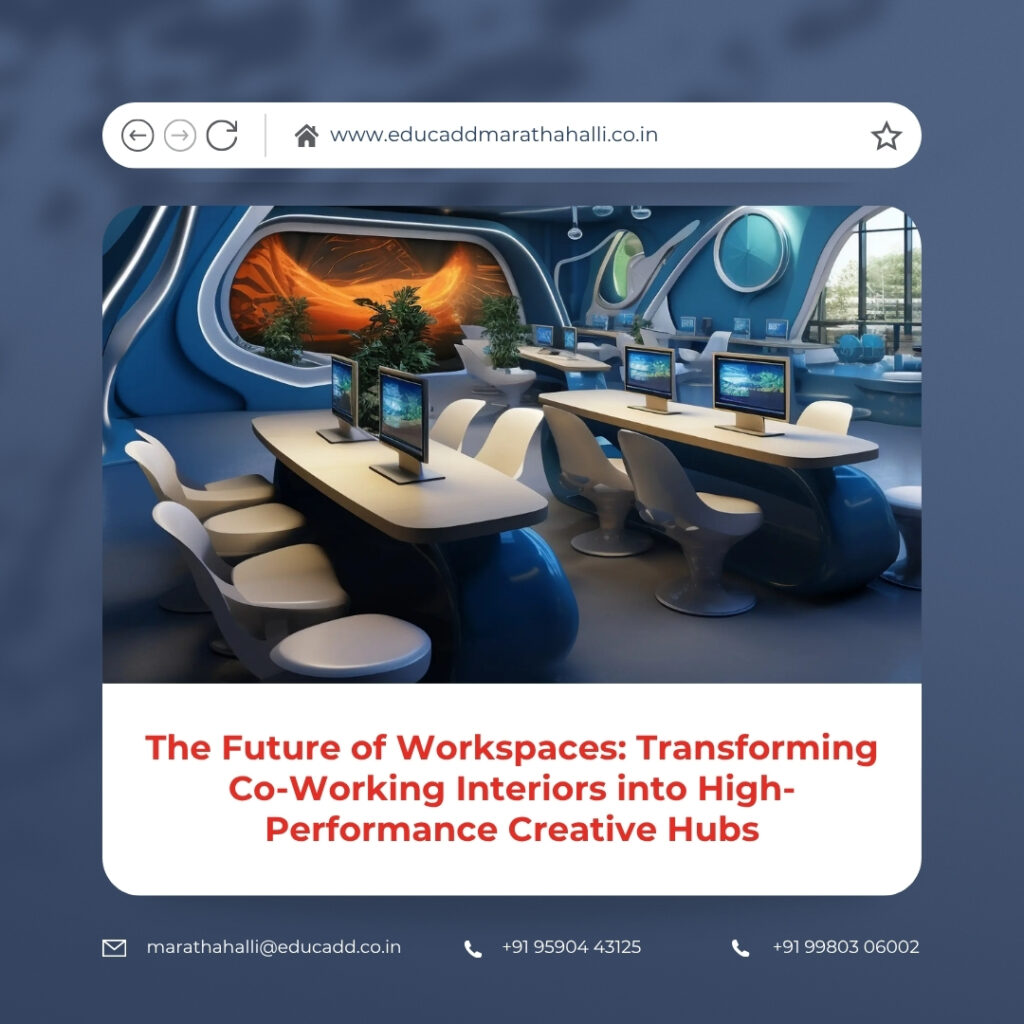
Future Co-Working Interior Design
A well-crafted Future Co-Working Interior Design is not only visually appealing but also strategically planned to enhance productivity and comfort. Designers must focus on creating spaces that support different work styles while maintaining a cohesive atmosphere. From freelancers seeking quiet corners to teams requiring collaborative zones, every aspect must be carefully considered. When executed effectively, interior design becomes a powerful tool that influences mood, efficiency, and overall user satisfaction.
Understanding User Behavior and Workspace Needs
Designing a successful Future Co-Working Interior Design begins with a deep understanding of user behavior. Each individual enters the space with unique expectations, work habits, and preferences. Some prefer silent environments for deep concentration, while others thrive in interactive and social settings. Recognizing these differences helps designers create a balanced and inclusive workspace.
User-centric design ensures that every element serves a purpose. By studying how people move, interact, and utilize the space, designers can optimize layouts and functionalities. This approach not only improves usability but also enhances the overall experience. As a result, members feel more connected and engaged within the environment.
Strategic Space Planning for Maximum Efficiency
Space planning is the foundation of any well-designed co-working interior. It involves organizing the layout in a way that maximizes efficiency while maintaining comfort. A clutter-free and logically structured space allows users to navigate easily and work without unnecessary interruptions.
Zoning is an effective strategy in space planning. By dividing the workspace into distinct areas such as open desks, private cabins, meeting rooms, and relaxation zones, designers can create a sense of order. Clear boundaries between these zones help users transition smoothly between tasks, improving both focus and productivity.
Designing Purpose-Driven Work Zones
Creating purpose-driven zones is essential for accommodating diverse work styles. Each zone should be tailored to a specific activity while maintaining harmony with the overall design theme.
-
Quiet zones provide a distraction-free environment for focused work
-
Collaboration zones encourage teamwork and idea-sharing
These zones must be strategically placed to minimize disturbances and maximize efficiency. For instance, quiet areas should be located away from high-traffic zones, while collaborative spaces can be positioned centrally to promote interaction. This thoughtful arrangement enhances usability and user satisfaction.
Ergonomics and Comfort as Design Priorities
Comfort is a critical factor in co-working spaces, especially for individuals who spend long hours working. Ergonomic design ensures that users maintain proper posture and avoid physical strain. Investing in high-quality furniture is not just a design choice but a necessity for long-term well-being.
Adjustable chairs, height-adaptable desks, and supportive seating arrangements contribute to a healthier work environment. When users feel physically comfortable, their productivity naturally increases. Moreover, ergonomic design reflects a commitment to user care, which can significantly improve retention rates.
Lighting Strategies that Enhance Productivity
Lighting plays a crucial role in shaping the ambiance and functionality of a workspace. Natural light is highly desirable, as it boosts mood and reduces fatigue. Large windows and open layouts allow sunlight to flow freely, creating a bright and inviting atmosphere.
Artificial lighting should complement natural sources by providing adequate illumination for different tasks. Layered lighting, including ambient, task, and accent lighting, ensures a balanced environment. Cooler tones are ideal for workstations, while warmer hues can be used in relaxation areas to create a cozy feel.
The Role of Colors in Influencing Work Atmosphere
Color selection is a powerful design element that can significantly impact emotions and behavior. A well-chosen color palette can energize the workspace and enhance focus without causing visual fatigue.
Neutral shades provide a clean and professional look, while vibrant accents add personality and creativity. Blue tones are often associated with calmness and concentration, while green promotes balance and freshness. By combining these elements thoughtfully, designers can create a visually engaging yet harmonious environment.
Managing Noise through Acoustic Design
Noise management is a common challenge in co-working spaces. Without proper acoustic planning, excessive noise can disrupt concentration and reduce productivity. Therefore, incorporating sound control measures is essential.
Acoustic panels, carpets, and soft furnishings help absorb sound and minimize disturbances. Additionally, designated quiet areas and enclosed booths provide spaces for focused work or private conversations. Effective acoustic design ensures that the workspace remains functional and comfortable for all users.
Bringing Nature Indoors with Biophilic Design
Biophilic design introduces natural elements into indoor spaces, creating a connection with nature. This approach has been proven to reduce stress and improve overall well-being. Incorporating greenery into co-working interiors can transform the atmosphere significantly.
Indoor plants, natural textures, and organic materials create a calming and refreshing environment. Green walls and small indoor gardens not only enhance aesthetics but also improve air quality. These elements make the workspace more inviting and enjoyable for users.
Integrating Technology Seamlessly
Technology is at the core of modern workspaces, and its integration must be seamless. Co-working spaces rely heavily on digital infrastructure to support various professional activities. Therefore, design should accommodate technological needs without compromising aesthetics.
High-speed internet, smart meeting rooms, and accessible charging points are essential features. Concealed wiring and integrated systems help maintain a clean and organized look. When technology blends effortlessly with design, it enhances both functionality and user experience.
Reflecting Brand Identity through Interior Design
A Future Co-Working Interior Design should have a distinct identity that sets it apart from competitors. Interior design plays a key role in expressing this identity. From color schemes to furniture styles, every element should align with the brand’s vision and values.
Customized decor, wall art, and signage can reinforce branding effectively. A consistent design language creates a memorable impression and fosters a sense of belonging among users. This connection strengthens the overall community within the workspace.
Flexibility and Adaptability in Modern Workspaces
Flexibility is one of the defining characteristics of co-working spaces. The design must accommodate changing needs and evolving work patterns. Adaptable furniture and layouts allow users to modify the space according to their requirements.
-
Modular furniture enables easy reconfiguration
-
Multi-purpose areas support events and workshops
This adaptability ensures that the workspace remains relevant and functional over time. It also maximizes the utility of available space, making it a valuable asset for both operators and users.
Encouraging Community and Collaboration
One of the key advantages of co-working spaces is the sense of community they offer. Designing areas that encourage interaction can significantly enhance this aspect. Social spaces such as lounges, cafes, and breakout zones provide opportunities for networking and collaboration.
Comfortable seating and inviting layouts make these areas more appealing. When users feel connected, they are more likely to share ideas and collaborate on projects. This sense of community adds value to the overall co-working experience.
Sustainable Design for a Better Future
Sustainability has become an important consideration in interior design. Eco-friendly practices not only reduce environmental impact but also create healthier work environments. Co-working spaces can benefit greatly from adopting sustainable design strategies.
Using recycled materials, energy-efficient lighting, and environmentally friendly furniture contributes to sustainability. Additionally, incorporating natural ventilation and reducing waste can further enhance eco-conscious design. These efforts reflect a commitment to responsible and forward-thinking practices.
Conclusion
Future Co-Working Interior Design is a blend of creativity, strategy, and functionality. By focusing on user needs, space planning, ergonomics, lighting, and sustainability, designers can create environments that truly support modern work culture. Each element must work together to deliver a seamless and engaging experience.
As co-working continues to shape the future of work, the importance of thoughtful interior design will only grow. A well-designed space not only attracts users but also inspires them to perform at their best. Ultimately, the goal is to create a workspace where innovation thrives, connections are built, and productivity reaches new heights.

