
Designing Irresistible Dining Spaces: Interior Design Strategies for Restaurants and Cafes
Restaurant Cafe Interior Design and cafes today compete not only through food quality but also through the atmosphere they create for guests. People now seek memorable dining experiences where the environment feels welcoming, stylish, and comfortable. Because of this shift, interior design for restaurants and cafes has become a crucial factor in attracting customers and building brand identity.
A thoughtfully designed dining space influences how visitors feel the moment they enter. Lighting, furniture, colors, textures, and layout all work together to shape customer perception. When the environment feels pleasant and visually appealing, guests naturally enjoy their time and often stay longer. As a result, the overall dining experience becomes more enjoyable and profitable for the business.
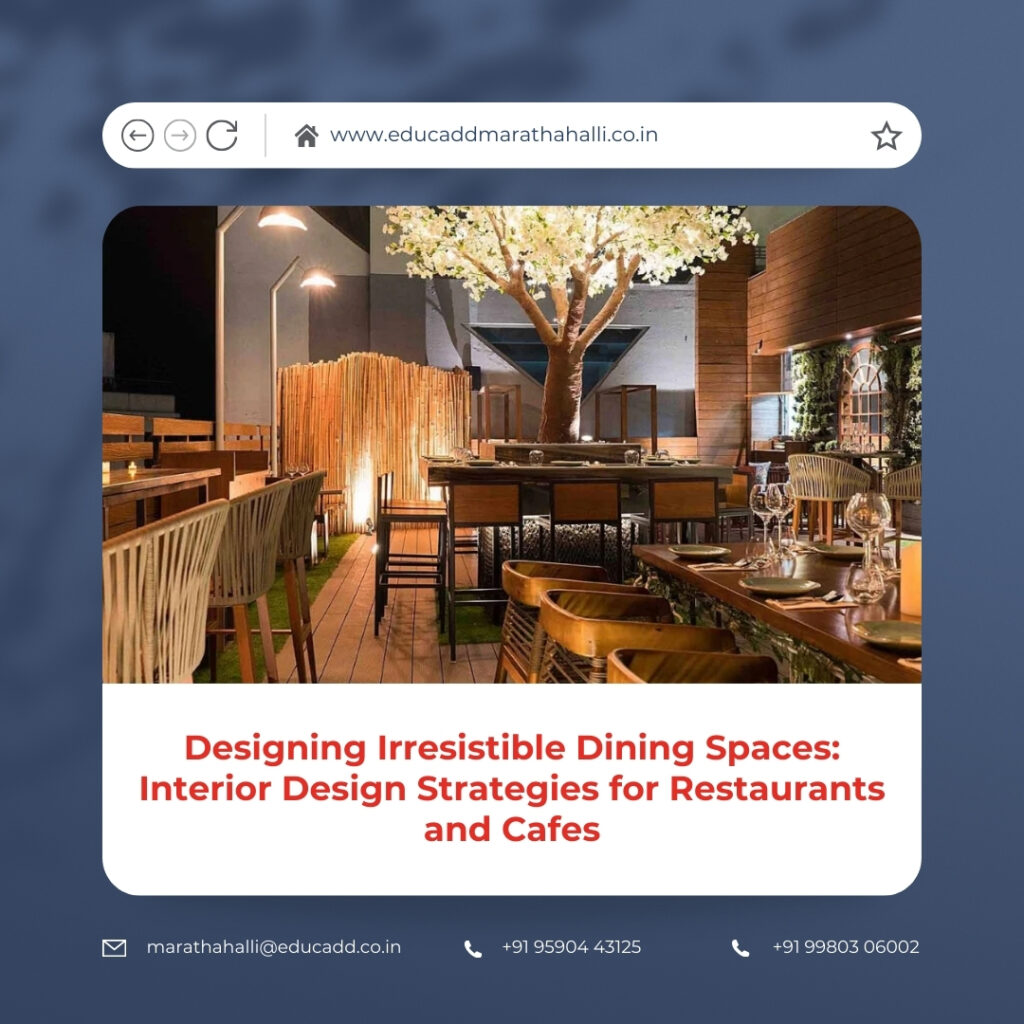
Restaurant Cafe Interior Design
Restaurant Cafe Interior Design and cafes also improves operational efficiency. A well-organized layout helps staff move smoothly between tables and service areas. At the same time, customers benefit from comfortable seating, pleasant lighting, and well-planned spaces that enhance their dining experience.
In this detailed blog, we will explore the most important aspects of restaurant and cafe interior design. From layout planning and lighting techniques to furniture selection, branding elements, sustainability, and modern trends, each section will explain how smart design decisions create attractive and successful dining spaces.
1. Why Interior Design Matters in Restaurants and Cafes
Interior design for restaurants and cafes directly impacts customer satisfaction. When guests enter a dining space that feels inviting and visually appealing, they immediately form a positive impression. This first impression often influences whether customers choose to stay and enjoy their meal.
A well-designed environment encourages relaxation and comfort. Customers prefer spaces where they can sit comfortably, talk freely, and enjoy their food without distractions. When the ambience feels balanced and pleasant, people tend to stay longer and order additional items.
The interior also reflects the personality of the restaurant brand. For example, a modern cafe may feature minimal furniture, industrial lighting, and neutral tones. In contrast, a traditional restaurant might highlight warm lighting, rich colors, and decorative artwork.
In addition, interior design affects staff productivity. When spaces are organized effectively, employees can serve guests quickly and efficiently. Clear pathways, logical table placement, and easy access to service stations improve workflow and reduce delays. Therefore, good design supports both customer comfort and business performance.
2. Planning an Effective Layout for Dining Spaces
Layout planning forms the backbone of interior design for restaurants and cafes. The arrangement of seating, service areas, and pathways determines how easily customers and staff can move throughout the space.
A well-planned layout divides the restaurant into functional zones. These typically include the dining area, kitchen, service stations, waiting areas, and sometimes private seating sections. Each zone should connect smoothly to ensure efficient movement.
Spacing between tables also plays an important role. Guests appreciate privacy while dining, so adequate distance between tables helps create a relaxed environment. However, designers must balance this with space efficiency to maximize seating capacity.
Walkways should remain clear and wide enough for smooth movement. Staff need quick access to tables, and customers should feel comfortable walking through the space without obstruction. A carefully designed layout improves both comfort and efficiency, making the restaurant more enjoyable for everyone.
3. Building a Strong Theme and Design Concept
Every successful restaurant begins with a clear design concept. The theme of the space guides decisions related to colors, materials, furniture, and decorative elements. When the concept remains consistent, the restaurant develops a strong visual identity.
Restaurant Cafe Interior Design and cafes often reflects the cuisine, culture, or story behind the brand. For instance, a Mediterranean restaurant might incorporate bright colors, rustic textures, and decorative tiles. A modern coffee shop may highlight clean lines, simple furniture, and industrial accents.
A well-defined theme also helps attract the right audience. Young professionals might prefer trendy cafes with modern interiors. Families may feel more comfortable in warm and cozy restaurant settings.
Consistency across design elements strengthens the concept. Walls, furniture, lighting, and decorative details should all align with the overall theme. When these elements work together, the dining space feels harmonious and memorable.
4. Lighting Design That Shapes the Dining Experience
Lighting plays a powerful role in shaping the atmosphere of restaurants and cafes. The right lighting design can transform an ordinary space into a warm and inviting environment.
Natural light often creates the most refreshing atmosphere during the day. Large windows allow sunlight to brighten the interior, making the space feel open and energetic. Many modern cafes rely heavily on natural lighting to create a relaxed daytime environment.
Artificial lighting adds depth and character to the interior. Designers typically combine different lighting techniques to enhance the overall atmosphere.
Common lighting layers include:
-
Ambient lighting that provides general illumination across the dining area
-
Accent lighting that highlights artwork, tables, or architectural features
Warm lighting often works best for restaurants because it creates a cozy environment that encourages guests to stay longer. In contrast, brighter lighting may suit cafes where customers read, work, or socialize.
5. Choosing Furniture That Combines Comfort and Style
Furniture selection is a major component of interior design for restaurants and cafes. Guests spend a significant amount of time sitting while dining, so comfortable seating is essential.
Restaurants often use a combination of seating options to accommodate different groups. Booth seating works well for families or couples seeking privacy, while communal tables encourage social interaction among larger groups.
Durability is another key factor. Restaurant furniture experiences constant use, so materials must withstand daily wear. Solid wood tables, sturdy metal frames, and high-quality upholstery ensure long-term performance.
Flexible furniture arrangements also help restaurants adapt to different situations. Movable chairs and tables allow quick adjustments for large groups, events, or busy service hours. This flexibility ensures that the dining area remains functional and comfortable at all times.
6. Using Color Psychology to Influence Mood
Colors strongly influence how people feel in a space. In restaurant design, color choices can affect mood, energy levels, and even appetite.
Warm colors such as red, orange, and yellow create a lively and energetic atmosphere. These shades often appear in casual restaurants because they stimulate appetite and encourage quick dining.
Cool colors like blue and green promote relaxation. Many cafes and fine dining restaurants use these colors to create calm and peaceful environments where guests feel comfortable spending more time.
Neutral tones provide balance within the design. Shades such as beige, cream, and soft gray allow brighter accents to stand out without overwhelming the space.
When designers carefully combine these colors, they create an atmosphere that supports the restaurant’s concept and enhances the dining experience.
7. Strengthening Brand Identity Through Interior Design
Restaurant Cafe Interior Design and cafes serves as a powerful tool for branding. The physical environment communicates the restaurant’s personality and values to customers.
Brand identity can appear in several design elements, including color schemes, signage, menu displays, and decorative graphics. For example, a coffee brand may repeat its signature colors throughout the interior.
Wall murals and artistic installations often reinforce branding. Many modern cafes use creative wall art that reflects their brand message or lifestyle themes.
When customers recognize consistent visual elements across the space, the brand becomes easier to remember. This recognition encourages repeat visits and word-of-mouth recommendations.
8. Designing Spaces That Encourage Social Media Sharing
In the digital age, restaurant interiors often double as marketing tools. Many customers enjoy taking photos in stylish cafes and restaurants and sharing them online.
Restaurant Cafe Interior Design and cafes now frequently includes visually striking elements that attract attention. Decorative lighting, colorful murals, and unique furniture pieces can become popular photo spots.
Restaurants sometimes create dedicated corners designed specifically for photography. These areas feature creative backdrops or neon signs that encourage guests to take pictures.
Two popular visual features include:
-
Eye-catching murals or artistic wall graphics
-
Decorative lighting installations that create dramatic visual effects
When customers share photos online, the restaurant receives free promotion. This organic exposure can attract new visitors and strengthen the brand’s online presence.
9. Bringing Nature Into Restaurant Interiors
Natural elements have become increasingly popular in restaurant design. Plants, wood textures, and natural lighting create refreshing environments that feel calm and welcoming.
Indoor plants enhance visual appeal while adding a sense of freshness. Designers often place greenery near windows, entrance areas, or seating sections to create a lively atmosphere.
Wooden surfaces and natural materials also add warmth to interiors. Wooden tables, textured walls, and stone finishes bring authenticity and character to dining spaces.
These nature-inspired elements work especially well in cafes where customers spend longer periods working, studying, or relaxing. The environment feels comfortable and peaceful, encouraging guests to stay longer.
10. Managing Acoustics for a Better Dining Environment
Noise levels can significantly influence the dining experience. Excessive noise often makes conversations difficult and may cause discomfort for guests. Therefore, acoustic planning forms an important part of interior design for restaurants and cafes.
Soft materials help absorb sound and reduce echo. Upholstered seating, curtains, rugs, and acoustic wall panels all contribute to a quieter environment.
Ceiling treatments can also improve sound quality. Textured surfaces, wooden panels, or suspended design elements help distribute sound evenly throughout the room.
When acoustics are properly managed, customers can enjoy conversations without distraction. This comfortable atmosphere encourages longer visits and positive reviews.
11. Sustainable Design Approaches in Restaurants
Sustainability has become a major focus in modern interior design. Many restaurants now adopt eco-friendly practices to reduce environmental impact while creating visually appealing interiors.
Reclaimed wood, recycled materials, and energy-efficient lighting systems contribute to sustainable restaurant design. These materials also add unique character and authenticity to the space.
LED lighting reduces electricity consumption while maintaining excellent brightness. Water-efficient fixtures and energy-saving appliances also support environmentally responsible operations.
In addition to environmental benefits, sustainable design often attracts customers who value eco-conscious businesses. This approach helps restaurants build a positive reputation while reducing long-term operating costs.
12. Creating Inviting Entrance and Waiting Areas
The entrance of a restaurant sets the tone for the entire experience. Customers form their first impression within seconds of walking inside.
Restaurant Cafe Interior Design and cafes often highlights the entrance using attractive signage, decorative lighting, and appealing color schemes. Clear branding near the entrance helps customers recognize the restaurant immediately.
Waiting areas should also provide comfort. Stylish seating, decorative plants, and visible menu displays keep guests engaged while they wait for their table.
A welcoming entrance encourages walk-in customers and builds excitement for the dining experience ahead.
13. Balancing Visual Beauty with Practical Function
Although aesthetics are important, functionality must remain a priority in restaurant design. Beautiful interiors should also support smooth operations and customer comfort.
For example, decorative lighting should provide enough brightness for dining. Furniture must look stylish while remaining comfortable and durable.
Decorative features should enhance the environment without obstructing movement. Staff need clear access to tables, and customers should navigate the space easily.
When visual design and functionality work together, the restaurant becomes both attractive and efficient. This balance ensures long-term success for the business.
14. Adapting to Modern Dining Trends
Dining habits continue to evolve, and restaurant interiors must adapt to these changes. Flexible spaces allow restaurants to respond to new customer expectations.
Many cafes now include work-friendly seating areas with charging points and comfortable chairs. These spaces attract students, freelancers, and professionals who enjoy working outside the office.
Restaurants also design adaptable spaces that can host events, group gatherings, or private dining experiences. Movable furniture allows quick changes depending on customer needs.
By designing adaptable interiors, restaurant owners ensure that their spaces remain relevant and appealing as dining trends evolve.
Conclusion
Restaurant Cafe Interior Design and cafes plays a crucial role in shaping memorable dining experiences. A thoughtfully designed space combines aesthetics, comfort, functionality, and branding to create an environment where customers enjoy spending time.
From layout planning and lighting to furniture selection and color psychology, every design element contributes to the overall atmosphere. When these elements work together effectively, the restaurant becomes more inviting and efficient.
Modern diners also appreciate visually engaging interiors that feel unique and share-worthy. By incorporating creative design ideas, natural elements, and sustainable materials, restaurants can build environments that attract attention and encourage repeat visits.
As competition in the hospitality industry continues to grow, investing in thoughtful interior design becomes more important than ever. Restaurants and cafes that prioritize atmosphere, comfort, and visual identity will continue to stand out and create lasting impressions for their guests.

