
Seamless Everywhere: How Omnichannel Marketing Builds a Powerful and Consistent Brand Experience
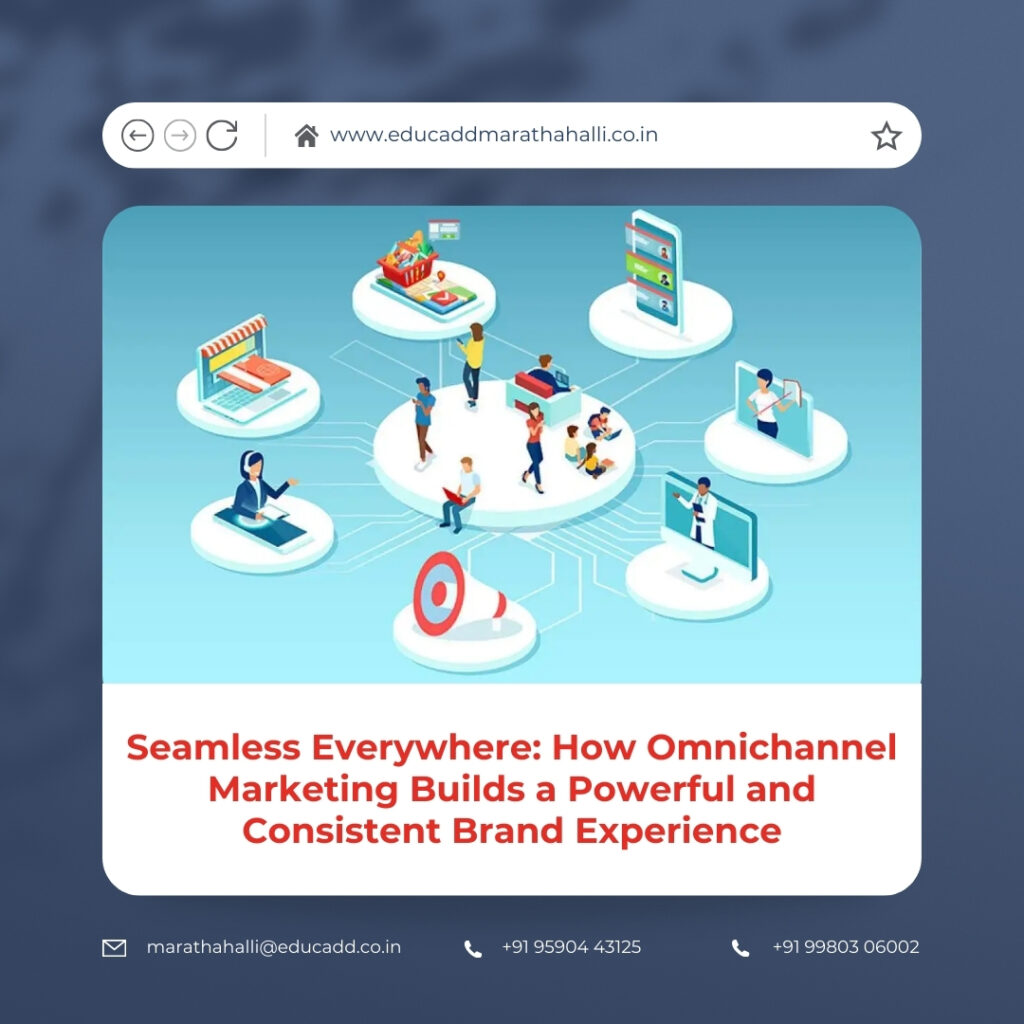
Modern consumers rarely interact with a brand through a single channel. They might discover a product through social media, compare prices on a website, read reviews on third-party platforms, and eventually complete a purchase through a mobile app or a physical store. Because customers move freely across different platforms, businesses must create a marketing environment that feels connected and consistent at every touchpoint. Delivering this unified experience is the main objective of omnichannel marketing. Omnichannel Brand Experience Strategy focuses on integrating all marketing platforms so that every interaction contributes to one continuous customer journey. Instead of isolated campaigns running on separate channels, this strategy connects digital and offline experiences into a single ecosystem. Customers can move from one channel to another without confusion, disruption, or inconsistent messaging.
A consistent brand experience is one of the strongest drivers of customer trust. When audiences encounter the same brand identity, tone, and messaging across platforms, they feel more comfortable engaging with the brand. This familiarity increases confidence, encourages repeat purchases, and strengthens long-term loyalty.
Omnichannel Brand Experience Strategy
In a highly competitive marketplace, brands that deliver smooth and consistent experiences often outperform those that rely on fragmented communication. Businesses must therefore understand how omnichannel marketing works and how it can transform the way customers interact with their brand. The following sections explore the strategies, technologies, and principles that help organizations build a seamless brand experience through omnichannel marketing.
Understanding the Foundations of Omnichannel Marketing
Omnichannel Brand Experience Strategy is a customer-centric strategy that integrates multiple communication channels into a unified system. These channels may include websites, social media platforms, email campaigns, mobile apps, online marketplaces, physical stores, and customer support services. Instead of functioning independently, all these channels share information and work together to create a consistent brand interaction.
The core principle behind omnichannel marketing is continuity. Customers should feel that they are interacting with the same brand regardless of the platform they use. For instance, if a shopper views a product on a brand’s website and later opens the brand’s mobile app, the app should recognize their previous activity and continue the experience from where they left off.
This approach differs from traditional multichannel marketing. In multichannel strategies, brands operate across several platforms, but those channels often function separately. Customers may receive inconsistent messaging or disconnected experiences when switching between platforms.
Omnichannel marketing eliminates these gaps by linking all channels through shared data and communication systems. By doing so, brands can maintain consistent messaging while delivering personalized experiences. This connected environment ensures that every interaction strengthens the customer’s perception of the brand rather than creating confusion.
Why Consistency Is the Cornerstone of Brand Experience
Consistency is one of the most influential factors that shape how customers perceive a brand. When businesses maintain a uniform identity across all channels, they create a sense of reliability and professionalism. Customers quickly recognize familiar visual elements, messaging styles, and brand values, which strengthens their confidence in the brand.
A consistent brand experience also simplifies the customer journey. When people encounter the same tone, design, and communication style across platforms, they do not need to relearn how the brand operates. This familiarity makes interactions smoother and more enjoyable.
Moreover, consistency reinforces brand recall. When customers repeatedly see the same brand elements across different channels, the brand becomes easier to remember. Over time, this recognition plays a significant role in influencing purchasing decisions.
Another advantage of consistent branding lies in emotional connection. Customers often form relationships with brands that feel authentic and reliable. By maintaining consistent messaging and values across channels, businesses can communicate a clear identity that resonates with their audience.
Therefore, brands that invest in consistent communication across platforms create stronger relationships with customers while building a solid foundation for long-term growth.
Mapping the Modern Customer Journey
To implement Omnichannel Brand Experience Strategy successfully, businesses must understand how customers interact with their brand. This process involves mapping the customer journey, which identifies every stage of interaction from the first point of awareness to post-purchase engagement.
The modern customer journey often begins with discovery. Consumers may encounter a brand through digital advertising, influencer recommendations, search engines, or social media platforms. After discovering the brand, they typically move into the research stage where they explore product details, reviews, and comparisons.
During the evaluation phase, customers analyze different options before making a purchase decision. At this stage, consistent messaging across platforms becomes essential. If customers encounter conflicting information, their confidence in the brand may decrease.
The purchasing stage represents the moment when customers complete the transaction. However, the journey does not end here. After the purchase, customers continue interacting with the brand through customer support, follow-up emails, loyalty programs, and additional product recommendations.
By mapping this entire journey, businesses can identify key touchpoints where omnichannel marketing can enhance the experience. Each stage of the journey should feel connected so that customers receive the same level of service and communication regardless of the channel they choose.
Connecting Digital and Physical Brand Touchpoints
A comprehensive omnichannel strategy connects both digital and physical interactions. Although online platforms play a major role in modern marketing, offline experiences remain equally important. Customers frequently switch between digital research and physical purchasing environments.
For example, a customer might explore products on a website and then visit a physical store to see the item in person. In an effective omnichannel system, store employees can access information about the customer’s online browsing history and provide relevant assistance.
Similarly, physical interactions can influence digital engagement. Customers who visit a store may later receive personalized email offers or mobile notifications that match their interests. These communications encourage further interaction and strengthen the connection between online and offline channels.
Technologies such as mobile applications, loyalty programs, and QR codes help bridge the gap between digital and physical experiences. When these tools operate within a unified system, customers enjoy smooth transitions between platforms.
Integrating physical and digital touchpoints allows brands to create a comprehensive environment where every interaction contributes to a consistent and engaging brand experience.
Personalization as a Driving Force Behind Omnichannel Success
Personalization plays a crucial role in modern marketing strategies. Customers expect brands to understand their preferences and deliver content that reflects their individual interests. Omnichannel Brand Experience Strategy enables this level of personalization by combining data from multiple sources.
Through customer data platforms and analytics tools, businesses can gather insights into purchasing behavior, browsing patterns, and engagement history. These insights allow marketers to tailor communication based on individual needs and interests.
For instance, a customer who frequently searches for fitness products may receive personalized recommendations through email campaigns, social media advertisements, and website suggestions. Each channel reinforces the same message while addressing the customer’s specific preferences.
Personalization also enhances customer satisfaction. When people receive relevant recommendations and useful content, they feel that the brand understands their needs. This sense of recognition strengthens trust and encourages repeat interactions.
However, brands must handle customer data responsibly. Transparency about data usage and strong privacy protections are essential for maintaining customer confidence in personalized marketing strategies.
The Role of Technology in Enabling Omnichannel Integration
Technology forms the backbone of omnichannel marketing. Without the right tools and systems, connecting multiple channels would be extremely difficult. Businesses rely on advanced platforms to manage data, automate campaigns, and track customer interactions across different touchpoints.
Customer relationship management systems help businesses maintain detailed records of customer activity. These systems store valuable information such as purchase history, communication preferences, and service interactions. When integrated with marketing platforms, this data enables consistent communication across channels.
Marketing automation software also plays an essential role. Automation tools schedule campaigns, deliver personalized messages, and monitor engagement metrics. They ensure that communication remains timely and relevant regardless of the channel used.
Analytics platforms provide insights that guide strategic decisions. Marketers can analyze customer behavior across channels to determine which strategies produce the best results.
By combining these technologies, businesses create a connected marketing ecosystem that supports seamless omnichannel experiences.
Maintaining Strong Brand Identity Across Platforms
A recognizable brand identity is essential for building trust and loyalty. Omnichannel marketing ensures that this identity remains consistent across every communication channel. Visual elements, messaging style, and brand values should remain aligned throughout all interactions.
For example, a brand’s website design should reflect the same colors, fonts, and imagery used in social media posts and advertising campaigns. Email communications should maintain the same tone and messaging style that customers encounter on other platforms.
This consistency strengthens brand recognition. Customers quickly identify the brand regardless of where they encounter it, which reinforces familiarity and trust.
Clear brand guidelines help organizations maintain this consistency. These guidelines define visual standards, communication tone, and messaging principles for all marketing activities.
When every department follows the same guidelines, the brand delivers a unified experience that feels authentic and professional across all channels.
Using Data Analytics to Optimize Customer Experiences
Data analytics allows businesses to understand how customers interact with their brand across different channels. By analyzing engagement metrics, marketers can identify which strategies produce the strongest results.
Analytics tools track important indicators such as website traffic, conversion rates, customer retention, and campaign performance. These metrics reveal how customers respond to different marketing initiatives.
For instance, analytics may show that customers frequently discover products through social media but complete purchases through email promotions. This insight helps marketers adjust their strategies to strengthen those connections.
Data analysis also helps businesses identify areas that require improvement. If customers abandon their shopping carts frequently, marketers can analyze the checkout process and implement improvements.
Continuous analysis ensures that omnichannel strategies evolve alongside changing customer behavior. By relying on data-driven insights, businesses can refine their marketing approach and deliver better experiences.
Building Customer Loyalty Through Connected Experiences
Customer loyalty often develops when brands deliver positive and consistent experiences over time. Omnichannel Brand Experience Strategy supports loyalty by ensuring that every interaction contributes to a smooth and satisfying journey.
When customers receive personalized recommendations, helpful communication, and reliable service across channels, they develop trust in the brand. This trust encourages repeat purchases and long-term engagement.
Loyalty programs can also benefit from omnichannel integration. Customers may earn rewards through online purchases, in-store transactions, or mobile app interactions. When these rewards remain accessible across platforms, the program becomes more attractive and convenient.
Satisfied customers frequently share their experiences with friends and family. Positive word-of-mouth recommendations often attract new customers who trust these personal endorsements.
Therefore, omnichannel marketing not only improves immediate customer experiences but also strengthens long-term relationships that support sustained business growth.
Overcoming Challenges in Implementing Omnichannel Strategies
Despite its benefits, implementing omnichannel marketing can be complex. Many businesses encounter obstacles when attempting to connect multiple systems and departments.
One common challenge involves integrating customer data from different sources. When information exists in separate databases, creating a unified customer profile becomes difficult. Businesses must invest in technology that consolidates data effectively.
Organizational coordination can also present difficulties. Marketing teams, sales departments, and customer service representatives must collaborate closely to maintain consistent messaging and service quality.
Another challenge relates to technology adoption. Some organizations may rely on outdated systems that cannot support advanced omnichannel capabilities. Upgrading these systems requires both financial investment and careful planning.
Measurement can also be complicated because customers interact with multiple channels before making purchasing decisions. Businesses must develop comprehensive analytics frameworks that capture the full impact of cross-channel interactions.
Although these challenges require effort to overcome, the long-term benefits of omnichannel marketing justify the investment.
Emerging Trends Transforming Omnichannel Marketing
Technological innovation continues to reshape the way brands interact with customers. Several emerging trends are expected to influence the future of omnichannel marketing.
Artificial intelligence is becoming increasingly important for analyzing large volumes of customer data. AI systems can identify patterns in consumer behavior and suggest strategies for delivering more relevant experiences.
Voice search technology is also changing how customers discover products and services. As voice assistants become more popular, businesses must adapt their marketing strategies to accommodate this new interaction channel.
Augmented reality and virtual reality technologies are creating immersive shopping experiences. Customers may soon explore products in virtual environments before making purchasing decisions.
Additionally, stricter data privacy regulations are encouraging businesses to adopt transparent and ethical data practices. Companies that prioritize responsible data management will earn greater trust from their customers.
Brands that adapt to these trends will be better positioned to deliver innovative and engaging omnichannel experiences.
Best Practices for Building an Effective Omnichannel Marketing Framework
Creating a successful omnichannel marketing strategy requires thoughtful planning and execution. Businesses should begin by identifying the channels that their target audience uses most frequently. Focusing on these platforms ensures that marketing efforts reach customers where they already spend time.
Next, organizations should integrate customer data into a unified platform. This integration enables marketers to understand customer behavior and deliver consistent communication across channels.
Establishing clear brand guidelines is also critical. These guidelines ensure that messaging, visuals, and tone remain consistent regardless of the channel used.
Investment in marketing technology is another important step. Automation tools, analytics platforms, and customer relationship management systems provide the infrastructure necessary for effective omnichannel operations.
Finally, businesses should continuously evaluate performance and adjust their strategies. Customer preferences evolve rapidly, and marketing strategies must adapt accordingly.
By following these best practices, organizations can develop a marketing ecosystem that supports consistent and engaging customer experiences.
Conclusion
Omnichannel Brand Experience Strategy has transformed the way businesses connect with their audiences. In a world where customers interact with brands across multiple platforms, delivering a consistent experience is no longer optional. Instead, it has become a fundamental requirement for building trust, loyalty, and long-term success.
By integrating digital and physical channels, using data insights for personalization, and maintaining consistent branding, businesses can create seamless customer journeys that feel natural and engaging. Technology, analytics, and collaboration across departments all contribute to making these experiences possible.
Although implementing omnichannel strategies requires careful planning and investment, the rewards are significant. Brands that succeed in delivering connected experiences often enjoy stronger customer relationships, higher engagement levels, and improved business performance.
As technology continues to evolve and consumer expectations grow, omnichannel marketing will remain an essential component of modern business strategies. Organizations that prioritize seamless interactions and customer-focused experiences will stand out in competitive markets and build lasting connections with their audience.

