
Smart Living Redefined: Revolutionizing Residential Design with BIM
BIM Residential Design Innovation has entered an era defined by technology, collaboration, and data-driven decision-making. Traditional home design methods, which relied heavily on 2D drawings, sequential workflows, and fragmented communication, often resulted in delays, cost overruns, and design inconsistencies. Today, Building Information Modeling (BIM) offers a transformative approach that changes how homes are conceived, designed, constructed, and maintained. BIM in residential projects is more than just a digital tool—it is a comprehensive methodology that integrates information, geometry, and stakeholder collaboration into a single, intelligent model.
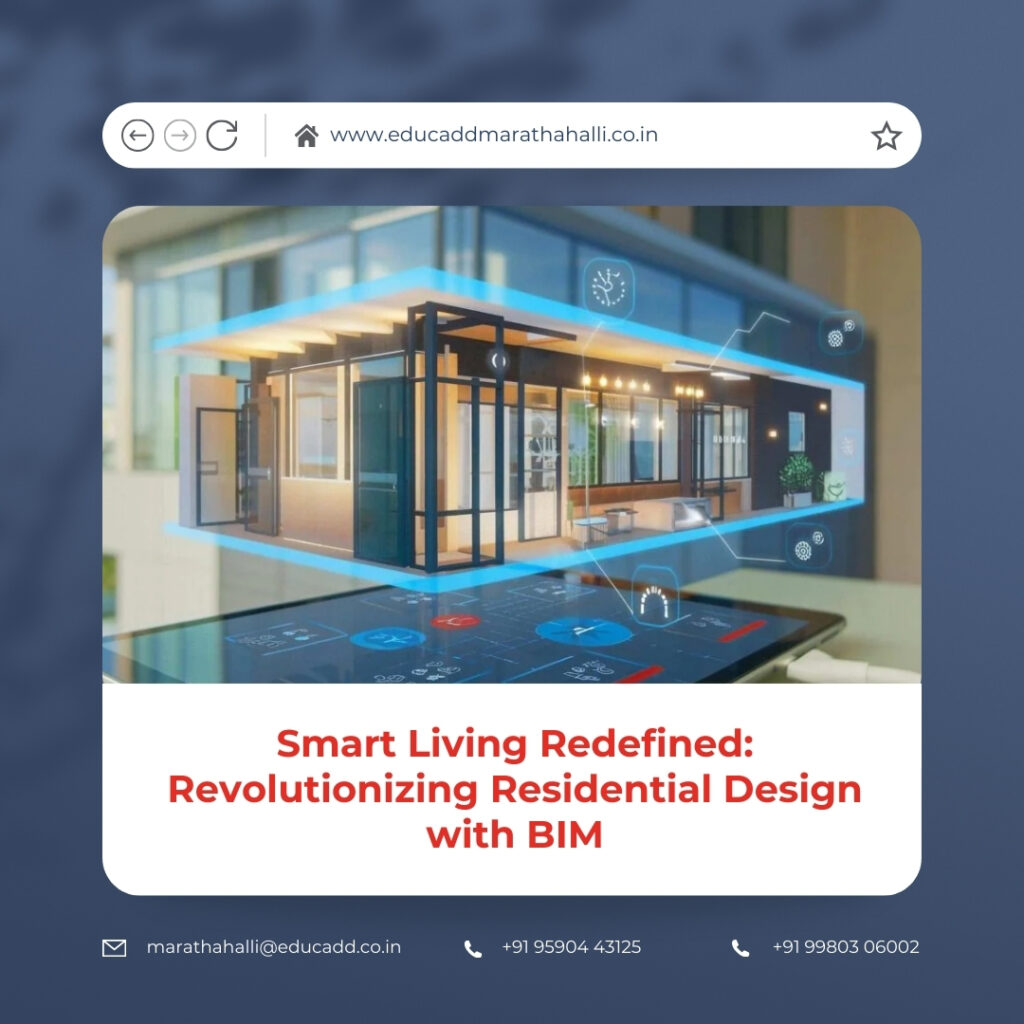
BIM Residential Design Innovation
By leveraging BIM, architects, engineers, contractors, and homeowners can make informed decisions, anticipate challenges, and optimize every aspect of the residential building process. This approach represents a significant advancement in home design, ensuring quality, efficiency, and sustainability in ways traditional methods cannot achieve.
What BIM Means for Residential Construction
BIM Residential Design Innovation the creation of a digital representation of a building that captures its physical and functional characteristics. In residential projects, this model is not only three-dimensional but also information-rich, including data about materials, structural elements, mechanical systems, costs, and timelines. Unlike traditional drawings that exist in isolation, a BIM model is intelligent and interconnected. Every element in the model has metadata that defines its properties and interactions with other components. BIM in residential projects ensures that all stakeholders have access to accurate, coordinated information, reducing errors, rework, and misunderstandings. The result is a more predictable and efficient construction process that aligns closely with design intent.
Transitioning from 2D to Integrated 3D Modeling
For decades, residential designs relied on 2D plans, elevations, and sections. While these documents communicated ideas, they often led to misinterpretation and required extensive manual coordination. BIM replaces these static representations with an integrated 3D model that automatically updates whenever changes are made. A single modification to a wall or window is reflected across all views and documentation. BIM in residential projects eliminates redundant updates and ensures consistency throughout the design process. This shift enhances accuracy, allows for faster approvals, and reduces the likelihood of costly mistakes during construction. By providing a holistic view of the project, BIM empowers design teams to focus on creativity and functionality rather than administrative corrections.
Enhanced Visualization and Design Accuracy
One of the key benefits of BIM in residential projects is the ability to visualize designs accurately and realistically. Three-dimensional models provide a clear representation of spatial relationships, lighting, materials, and finishes. Homeowners can virtually explore their future homes, experiencing layouts and aesthetics before construction begins. This clarity fosters better decision-making and reduces the risk of changes during construction, which can be expensive and time-consuming. BIM also allows designers to experiment with multiple design options and immediately assess their feasibility, helping to achieve a balance between aesthetics, functionality, and cost.
Promoting Collaborative Workflows
Residential construction involves multiple stakeholders, including architects, structural engineers, MEP consultants, contractors, and suppliers. Traditionally, these parties worked in silos, leading to communication gaps and coordination challenges. BIM acts as a shared platform where all participants collaborate in real time. Changes made by one team member are automatically updated for all others, ensuring that everyone works from the same set of accurate data. BIM in residential projects improves transparency, reduces conflicts, and strengthens accountability. By fostering collaboration from the earliest stages of design through construction, BIM helps deliver projects that meet quality standards and client expectations.
Detecting Clashes and Mitigating Risks
Clashes between architectural elements, structural components, and building services often emerge during construction, causing delays and increased costs. BIM software allows these conflicts to be detected during the design phase, enabling project teams to resolve them proactively. In residential projects, where space optimization and coordination are critical, early clash detection prevents construction errors and material wastage. BIM in residential projects reduces risks, improves project predictability, and ensures smoother on-site execution, allowing homeowners and developers to have confidence in the construction schedule and overall quality.
Accurate Cost Estimation and Budget Management
Budgeting is a critical aspect of residential construction. BIM links model elements to quantities and cost information, enabling accurate estimation from the early stages of design. When changes are introduced, the financial impact can be assessed immediately, allowing stakeholders to make informed decisions. BIM in residential projects supports effective cost management, reduces the risk of budget overruns, and enhances financial transparency. Accurate estimates ensure that resources are allocated efficiently, and developers and homeowners can plan confidently, knowing that their investment aligns with the project’s design and scope.
Efficient Scheduling and Construction Planning
Time management is a major challenge in residential construction. BIM integrates scheduling data with the 3D model to create a 4D simulation, visualizing construction sequences and identifying potential delays. This approach allows teams to plan tasks, allocate resources, and optimize workflows effectively. BIM in residential projects ensures that construction progresses as planned, minimizes idle time, and enhances overall productivity. By connecting design, procurement, and construction schedules, BIM enables timely delivery of residential projects, which is crucial for homeowner satisfaction and project profitability.
Sustainability and Energy Performance Analysis
Modern residential projects increasingly prioritize sustainability and energy efficiency. BIM supports environmental analysis by simulating factors such as thermal performance, natural lighting, energy consumption, and material efficiency. Designers can test multiple solutions, select optimal strategies, and integrate sustainable practices from the earliest stages of design. BIM in residential projects empowers teams to make informed decisions that reduce the building’s environmental footprint while maintaining occupant comfort. Sustainable design choices made within the BIM environment contribute to long-term cost savings and ecological benefits.
Customization and User-Centric Home Design
Homeowners today seek personalized living spaces that reflect their preferences and lifestyles. BIM allows for extensive customization without compromising the integrity of the project. Designers can create multiple layout options, adjust finishes, and evaluate structural implications instantly within the model. BIM in residential projects ensures that customization does not lead to errors or delays. This flexibility enhances client satisfaction and strengthens the emotional connection between residents and their homes, delivering a living space tailored to individual needs and aspirations.
Construction Accuracy and Quality Control
Construction quality depends on precise execution. BIM provides detailed and coordinated documentation directly from the model, giving contractors clear guidance on dimensions, materials, and installation methods. BIM in residential projects reduces ambiguities on-site, minimizes defects, and enhances overall workmanship. By linking design and construction information, BIM supports continuous quality control, ensuring that the final home meets both regulatory standards and homeowner expectations. High-quality construction improves durability, reduces maintenance costs, and increases property value.
Lifecycle Management and Facility Maintenance
BIM’s benefits extend well beyond construction. The model serves as a comprehensive repository of information, including specifications, warranties, and maintenance schedules. Facility managers and homeowners can access this data for efficient operation and upkeep of the building. BIM in residential projects transforms homes into well-documented, manageable assets. This lifecycle perspective ensures that the building remains functional, safe, and cost-effective over the long term, providing ongoing value to occupants and property owners.
Challenges in BIM Adoption
Despite its advantages, BIM adoption in residential projects can face challenges. Initial investment in software, training, and process adjustments may seem significant. Resistance to change and lack of awareness can also slow adoption, especially among smaller firms. However, as BIM tools become more accessible and industry knowledge expands, these barriers are diminishing. With the right planning, training, and support, residential developers and architects can harness BIM’s full potential. BIM in residential projects is increasingly becoming a standard practice rather than an optional enhancement.
The Future of Residential Construction with BIM
The future of residential construction is digital, integrated, and intelligent. BIM will increasingly connect with technologies such as virtual reality, augmented reality, IoT, and smart home systems, creating more interactive and user-centric living environments. As sustainability standards, regulatory requirements, and client expectations evolve, BIM will continue to provide a comprehensive framework for managing residential projects from conception to operation. BIM in residential projects is poised to redefine the way homes are designed, built, and experienced, ensuring efficiency, quality, and innovation remain at the forefront.
Conclusion
BIM Residential Design Innovation represents a groundbreaking step forward in home design. By enhancing design accuracy, collaboration, cost management, scheduling, and sustainability, BIM delivers measurable improvements across all stages of construction and beyond. It bridges the gap between design intent and practical execution, ensuring homes are built efficiently, safely, and to the highest standards. As the residential sector continues to embrace digital transformation, BIM stands as a critical tool for creating smarter, more sustainable, and user-focused living spaces. The shift from traditional methods to BIM-driven practices is not simply an upgrade—it is a fundamental evolution that will shape the future of residential architecture and construction.

