
Revolutionizing Living Spaces: Smart Interiors Meet Modern Technology
Homes today have transformed from mere shelters into intelligent environments that anticipate and adapt to our daily needs. The fusion of Smart Home Interior Design has redefined modern living, making spaces not only visually captivating but also highly functional. Homeowners increasingly expect seamless interactions with their surroundings, from automated lighting to climate control, voice-assisted systems, and integrated security, without compromising style. This paradigm shift in interior design emphasizes that technology should enhance beauty rather than overpower it.
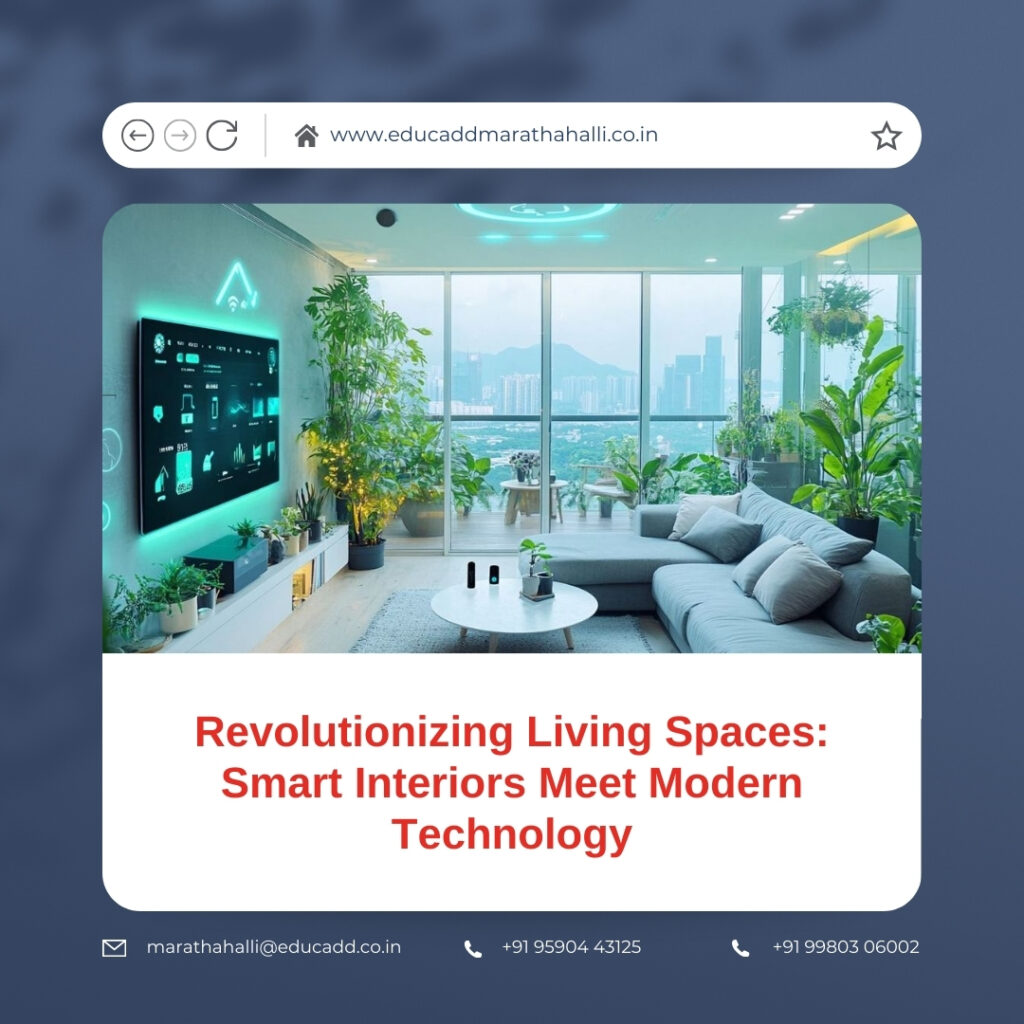
Smart Home Interior Design
Smart Home Interior Design from the earliest stages of planning, ensuring that systems like automated lighting, intelligent appliances, and environmental controls coexist harmoniously with aesthetic elements. The result is spaces that are clean, organized, and highly personalized, where innovation complements visual appeal. Smart interiors are no longer considered optional; they are essential components of contemporary, efficient, and elegant homes.
1. The Transformation of Home Design Through Smart Technology
Initially, smart homes were associated with bulky gadgets, complicated panels, and an emphasis on functionality over design. Over time, technological advancements have enabled devices to become sleek, compact, and easier to integrate. Designers now collaborate closely with tech specialists to ensure that smart elements remain discreet yet highly effective.
What was once an afterthought has now become an integral part of the design process. Electrical planning, furniture placement, and wall and ceiling finishes are all influenced by the need to accommodate smart systems. This evolution has enabled interiors to appear cohesive and polished, proving that technology and design can complement each other seamlessly.
2. Intelligent Lighting: Crafting Mood and Atmosphere
Lighting is a cornerstone of interior design, and smart lighting has revolutionized how we experience spaces. Unlike static systems, smart lighting adapts to time of day, mood, and activity, allowing for a dynamic environment. Designers employ layered lighting strategies, incorporating ambient, task, and accent lighting, all controlled via apps or voice commands.
Adjustable brightness, color temperatures, and pre-set lighting scenes create versatile spaces. Warm tones cultivate a cozy ambiance in living areas, while cooler tones improve focus in work zones. Additionally, hidden LEDs and integrated fixtures reduce visual clutter, maintaining the sleek, modern aesthetic that contemporary homeowners desire.
3. Advanced Climate Control for Comfort and Efficiency
Comfort is central to any well-designed home, and smart climate systems have dramatically enhanced interior experiences. Smart thermostats, sensors, and automated HVAC systems regulate temperature based on occupancy, external weather, and individual preferences. Designers ensure that vents, thermostats, and controls are positioned discreetly, supporting both efficiency and aesthetics.
Smart climate management guarantees a consistently comfortable environment while reducing energy usage. Homes feel inviting year-round, and interior designs remain uncluttered and visually balanced. This thoughtful integration of technology supports sustainability while prioritizing user comfort.
4. Smart Furniture: Blending Functionality with Style
Furniture is evolving beyond mere utility to incorporate technology seamlessly. Smart beds with sleep tracking, sofas with built-in charging stations, and multi-functional tables enhance convenience while preserving visual harmony. Designers select pieces that align with the overall interior theme, ensuring that technology does not disrupt the aesthetic.
Integrated technology minimizes the need for additional devices and cables, maintaining clean lines and organized spaces. In compact urban homes, these multifunctional solutions maximize efficiency while keeping interiors elegant and practical.
5. Voice-Activated Systems and Invisible Integration
Voice-controlled assistants allow residents to manage lighting, entertainment, security, and climate with simple commands. This reduces the need for visible switches, panels, or remotes, reinforcing minimalist design principles. Designers often hide speakers and sensors within ceilings, walls, or furniture to preserve a clutter-free look.
Invisible technology ensures that functionality is present without compromising visual appeal. Smart homes, therefore, feel serene, organized, and sophisticated, allowing the technology to operate quietly in the background.
6. Smart Kitchens: Efficiency Meets Modern Design
The kitchen has become a showcase for smart interior integration. Automated lighting, intelligent appliances, and optimized storage solutions enhance convenience and visual coherence. Designers focus on layouts that seamlessly accommodate these features while preserving aesthetic flow.
Smart refrigerators, ovens, and dishwashers blend into cabinetry for a streamlined appearance. Motion-sensor lighting, touchless faucets, and automated cooking systems increase efficiency while supporting a clean, contemporary style. Smart kitchens exemplify the harmony between technology and design.
7. Bathrooms: Wellness and Innovation Combined
Modern bathrooms prioritize wellness and luxury, with smart mirrors, digital showers, automated lighting, and temperature-regulated flooring enhancing the user experience. Designers incorporate these technologies without compromising the spa-like aesthetic of the space.
Careful selection of materials, lighting, and finishes ensures that technology supports relaxation and indulgence. Smart bathrooms emphasize personalized comfort while maintaining elegant and harmonious interiors, highlighting the role of technology in elevating everyday experiences.
8. Security Systems Integrated with Design
Home security has advanced alongside smart technology, offering unobtrusive solutions that blend with interiors. Smart locks, cameras, and sensors now feature sleek, modern designs. Designers strategically incorporate them to maintain the visual balance of a space.
By embedding security elements in walls, doors, or furniture, homes remain both safe and aesthetically pleasing. Technology becomes a silent guardian, enhancing comfort and peace of mind without disrupting design integrity.
9. Open-Plan Living Supported by Smart Tech
Open-plan layouts benefit significantly from smart technology. Centralized systems allow homeowners to manage multiple zones seamlessly. Designers use smart partitions, lighting, and acoustics to define spaces without physical barriers.
These adaptable solutions maintain visual openness while providing functional separation. Smart technology ensures that open-plan areas remain flexible for social gatherings, work, or relaxation, demonstrating how design and technology can coexist fluidly.
10. Sustainable Design Through Smart Integration
Sustainability has become a crucial consideration in interior design, and smart systems contribute significantly. Automated energy monitoring, efficient climate control, and smart lighting reduce environmental impact. Designers incorporate eco-friendly materials and practices alongside these technologies.
By embedding sustainability into design, smart homes not only reduce energy consumption but also align with modern environmental priorities. Technology and design work together to create homes that are responsible, efficient, and visually appealing.
11. Personalization and Data-Driven Interiors
Smart homes collect data on residents’ habits and preferences, allowing for highly personalized experiences. Lighting, temperature, and entertainment adapt automatically, creating environments tailored to individual lifestyles. Designers use this insight to optimize layouts and enhance comfort.
This data-driven approach ensures interiors are responsive and engaging. Personalization increases emotional connection to the home, creating spaces that evolve with the occupants’ needs and preferences.
12. Minimalism Enhanced by Smart Design
Minimalist interiors benefit from smart integration, as automation reduces the need for visible controls and devices. Designers can maintain clean, uncluttered spaces by embedding technology into furniture, walls, and ceilings.
Smart storage, hidden wiring, and integrated systems support minimalist principles, making homes feel spacious, serene, and purposeful. Technology enables simplicity rather than complicating it, reinforcing the philosophy of less is more.
13. Emerging Trends in Smart Home Interiors
The future of interior design will be shaped by AI, adaptive materials, and augmented reality. Designers will create spaces that learn from occupants, adapting lighting, temperature, and functionality dynamically. Homes will increasingly merge intelligence and aesthetics seamlessly.
As technology becomes more sophisticated, it will continue to blend invisibly into interiors, creating environments that are responsive, sustainable, and emotionally engaging. The convergence of design and technology represents the next frontier in modern living.
14. The Designer’s Role in Smart Home Integration
Interior designers serve as the bridge between technology and aesthetics. Their expertise ensures that smart solutions enhance rather than detract from interiors. Collaborating with engineers and tech specialists, designers prioritize both functionality and visual harmony.
By understanding human behavior and spatial dynamics, designers create homes that are intuitive, comfortable, and elegant. Their role extends beyond decoration to shaping how technology integrates naturally into daily life, making spaces more livable and inspiring.
Conclusion
The marriage of Smart Home Interior Design has ushered in a new era of modern living. Homes are now intelligent, adaptive, and responsive, offering comfort, convenience, and sustainability without compromising on style. Thoughtful integration ensures that technology enhances aesthetics, allowing interiors to remain clean, organized, and visually captivating. As smart solutions continue to evolve, future homes will be even more personalized, energy-efficient, and harmonious. This synergy of innovation and design promises a living experience that is as beautiful as it is functional, marking the dawn of truly intelligent, aesthetic living spaces.

