
Design Without Borders: Creating Homes That Unite Modern Simplicity and Traditional Charm
Modern Traditional Home Design today has moved beyond rigid style rules. Homeowners no longer want spaces that feel locked into a single era. Instead, they seek environments that reflect both progress and heritage. This desire has given rise to a powerful design philosophy that brings modern simplicity and traditional charm together under one roof. When done correctly, this approach produces interiors that feel elegant, functional, and emotionally rich.
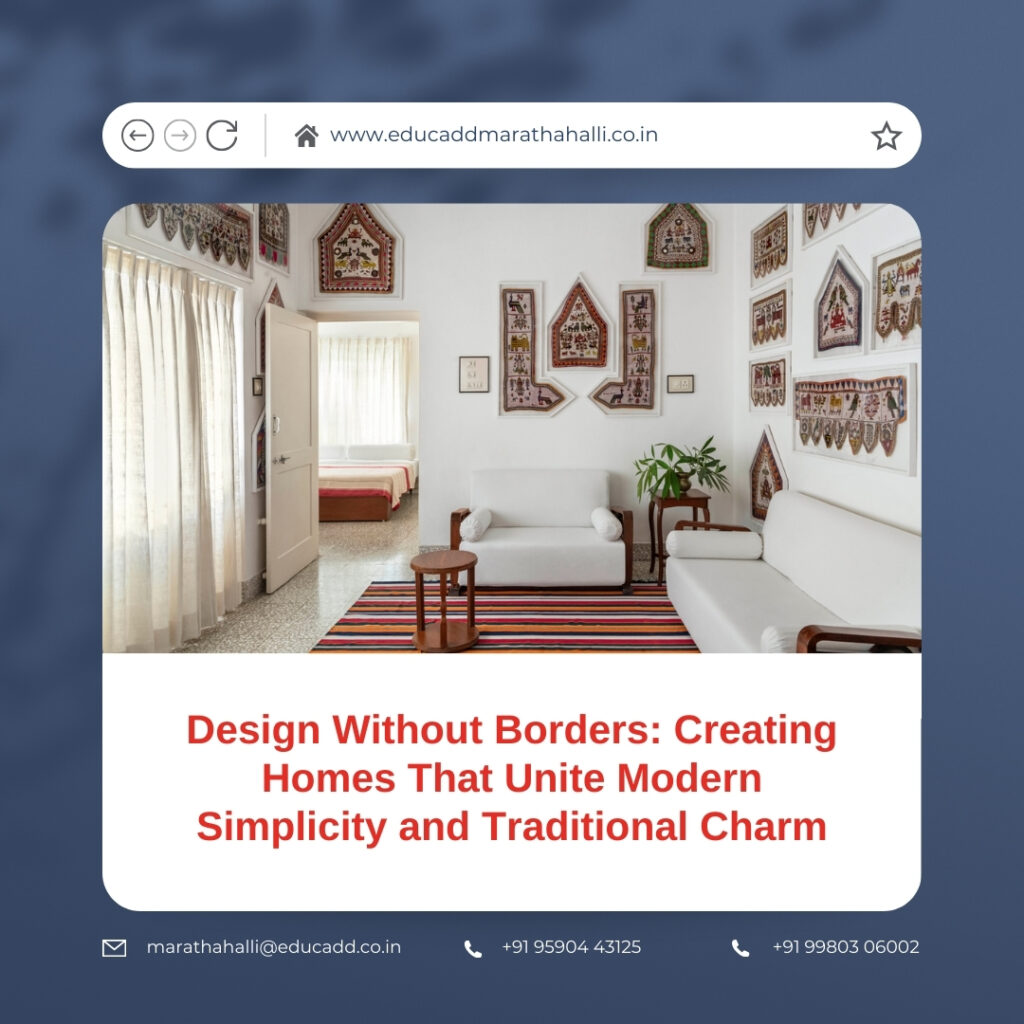
Modern Traditional Home Design
Blending modern and traditional interiors is not about contrast alone. It is about harmony. It allows clean, contemporary forms to coexist with timeless details. This balance creates homes that feel grounded yet forward-looking. In this blog, we explore how to thoughtfully merge these styles while maintaining visual flow, comfort, and long-term appeal.
1. Defining the Core Principles of Modern Design
Modern interior design revolves around clarity and purpose. It emphasizes clean lines, open spaces, and functional layouts. Furniture often appears sleek and understated. Every object serves a clear role, and unnecessary decoration stays out of sight.
Color schemes in modern spaces tend to remain neutral. Whites, greys, and muted earth tones dominate. Natural light plays a central role, enhancing openness and simplicity. Understanding these principles helps designers introduce modern elements without overpowering traditional features later in the process.
2. Understanding the Emotional Depth of Traditional Design
Traditional interiors speak through warmth and craftsmanship. They draw inspiration from history, culture, and heritage. Furniture often showcases detailed woodwork, curved forms, and rich upholstery. Patterns, textures, and layered décor create a sense of comfort.
Traditional spaces also value balance and symmetry. Decorative trims, classic lighting, and handcrafted materials reinforce a feeling of permanence. When paired with modern elements, these features add character and soul to otherwise minimal environments.
3. Why Combining Old and New Creates Better Living Spaces
Purely modern homes sometimes feel cold or impersonal. Fully traditional spaces may appear heavy or outdated. Combining both styles solves these challenges. Modern design brings efficiency and openness. Traditional design adds warmth and storytelling.
When designers merge these approaches carefully, interiors feel timeless rather than trendy. This balance also allows spaces to evolve with changing lifestyles. As a result, blended interiors remain relevant for years without frequent redesigns.
4. Establishing a Cohesive Color Foundation
Color selection plays a crucial role in unifying design styles. Neutral palettes work best as a foundation. Soft whites, warm greys, beige, and taupe connect modern and traditional elements seamlessly.
Accent colors should appear intentionally. Traditional hues like olive, rust, or deep blue add richness. Meanwhile, modern restraint keeps the palette from feeling overwhelming. Consistent color flow across rooms strengthens visual continuity throughout the home.
5. Selecting Furniture That Balances Form and Function
Furniture acts as the bridge between modern and traditional interiors. The key lies in contrast with restraint. A streamlined modern sofa pairs beautifully with a traditional wooden coffee table. Similarly, classic armchairs complement minimalist side tables.
Scale and proportion matter greatly. Avoid placing too many heavy pieces in one space. Let modern furniture introduce lightness. At the same time, allow traditional pieces to anchor the room visually.
6. Using Materials to Create Visual Harmony
Material choices define texture and depth. Traditional interiors rely on natural materials such as wood, stone, and woven fabrics. Modern design favors polished surfaces like metal, glass, and smooth finishes.
Blending these materials creates balance. For example, wooden beams enhance modern ceilings. Stone countertops soften sleek cabinetry. When materials complement each other, the space feels cohesive rather than divided.
7. Lighting That Connects Different Design Eras
Lighting unifies blended interiors effortlessly. Traditional lighting offers warmth through chandeliers, lanterns, and sconces. Modern lighting emphasizes clean shapes and functional placement.
A thoughtful mix works best. Use modern recessed lights for overall brightness. Add traditional fixtures as focal points. Warm light tones soften modern edges and enhance classic textures simultaneously.
8. Architectural Details as a Design Anchor
Architectural features provide structure to blended interiors. Traditional details like moldings, arches, and paneling add depth. Modern design simplifies these elements rather than removing them entirely.
Painting traditional trims in neutral tones allows them to coexist with modern furniture. Clean wall finishes highlight architectural character without overwhelming the space. This approach respects history while embracing contemporary living.
9. Artwork and Accessories with Purposeful Placement
Decorative elements tell the story of a home. Traditional artwork introduces culture and emotion. Modern art adds boldness and clarity. The balance lies in thoughtful placement.
Avoid overcrowding walls and surfaces. Select meaningful pieces that stand out. A single antique mirror on a modern wall creates striking contrast. Minimal styling keeps the space visually calm and refined.
10. Flooring Choices That Support Both Styles
Flooring forms the base of interior design. Wooden floors work exceptionally well in blended spaces. They carry traditional warmth while adapting easily to modern layouts.
Large rugs help define zones and introduce texture. Traditional patterns soften modern rooms. Neutral finishes ensure longevity. Consistent flooring across open spaces improves visual flow and spatial harmony.
11. Designing Kitchens That Feel Timeless and Efficient
Kitchens benefit greatly from a mixed approach. Traditional cabinetry provides warmth and familiarity. Modern appliances ensure efficiency and ease of use. Clean countertops maintain a contemporary look.
Simple hardware choices unify the design. Neutral backsplashes prevent visual clutter. This balance results in kitchens that feel inviting, practical, and visually enduring.
12. Bathrooms That Combine Luxury and Simplicity
Bathrooms become refined retreats when modern and traditional elements merge. Classic materials like marble and brass add elegance. Modern layouts ensure comfort and efficiency.
Floating vanities paired with framed mirrors create contrast. Neutral tiles keep the space calm. Thoughtful lighting enhances both function and atmosphere. These spaces feel luxurious without excess.
13. Adding Personal and Cultural Identity
Personal elements bring authenticity to blended interiors. Family heirlooms, handcrafted décor, and cultural accents enrich the space emotionally. These items often carry traditional value.
Modern design provides a clean backdrop that highlights personal pieces. Limiting décor ensures each item receives attention. This thoughtful approach transforms houses into meaningful homes.
14. Avoiding Design Imbalance and Over-Styling
One major mistake involves mixing too many styles at once. Another includes ignoring scale or proportion. Successful blended interiors follow a clear vision.
Consistency matters. Repeating colors, materials, and shapes maintains balance. Editing design choices prevents clutter. Simplicity always enhances elegance in mixed-style interiors.
Conclusion
Homes that unite Modern Traditional Home Design charm feel complete. They offer clarity without coldness and warmth without heaviness. This balanced approach supports both comfort and sophistication.
By understanding design principles, selecting materials carefully, and maintaining visual flow, homeowners create spaces that stand the test of time. Ultimately, blending modern and traditional interiors is not just a design trend. It is a thoughtful way of living beautifully across generations.

