
Luxury Interior Design: Where Thoughtful Craftsmanship Shapes Exceptional Living Environments
Luxury Interior Design Spaces has evolved far beyond surface beauty. Today, it represents a carefully composed experience that blends comfort, precision, and individuality. A luxury space does not rely on excess or ornamentation. Instead, it communicates value through restraint, proportion, and detail.
Modern lifestyles demand interiors that feel personal and purposeful. Homes and commercial spaces must support daily routines while reflecting taste and aspiration. Luxury Interior Design responds to this shift by creating environments that feel calm, confident, and timeless. Every surface, transition, and material choice contributes to a larger narrative.
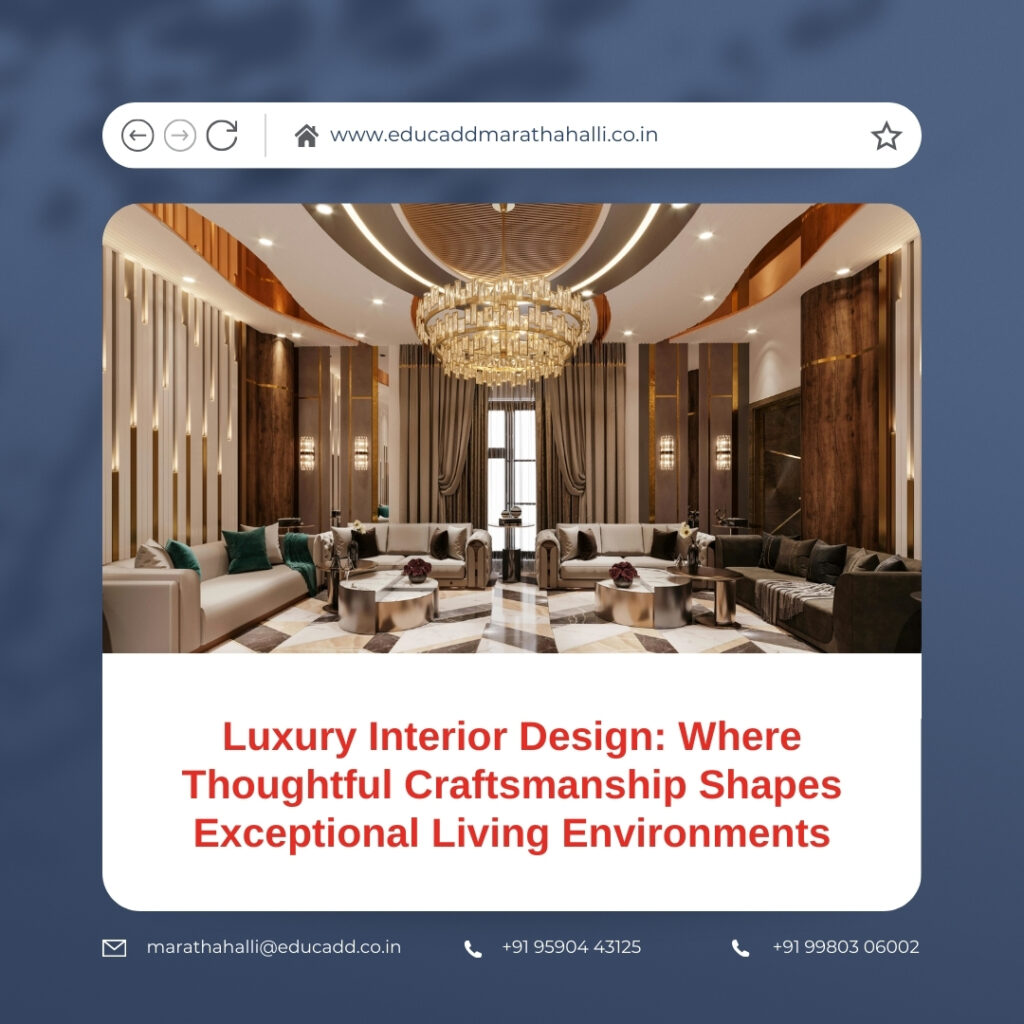
Luxury Interior Design Spaces
True luxury reveals itself subtly. It is felt in the way light enters a room, how materials respond to touch, and how spaces flow effortlessly. Luxury Interior Design prioritizes emotion as much as aesthetics. It transforms buildings into living environments that inspire comfort, clarity, and pride. This blog explores how premium interiors achieve this balance through design philosophy, planning, and execution.
1. The Modern Definition of Luxury Interior Design
Luxury Interior Design no longer follows rigid rules or predictable formulas. In the contemporary context, luxury is defined by intention rather than display. A well-designed luxury interior feels effortless, cohesive, and deeply considered.
At the heart of Luxury Interior Design lies the principle of purposeful simplicity. Designers remove unnecessary elements to allow key features to stand out. This approach creates visual clarity and enhances the quality of each component. Spaces feel composed rather than decorated.
Personalization also plays a central role. Luxury Interior Design adapts to the client’s lifestyle, habits, and preferences. Designers study how occupants live and interact with their environment. This understanding allows them to craft spaces that feel intuitive and comfortable. As a result, luxury interiors become personal sanctuaries rather than showpieces.
2. Strategic Space Planning for Elevated Living
Space planning sets the foundation for successful Luxury Interior Design. Without intelligent planning, even the most premium materials fail to deliver impact. Designers begin by evaluating how each space will function and connect with others.
Luxury Interior Design emphasizes fluid movement. Circulation paths remain clear and natural. Spaces transition smoothly without abrupt visual or functional breaks. This flow enhances comfort and creates a sense of openness.
Designers also focus on spatial hierarchy. Key areas such as living rooms, master suites, or reception spaces receive prominence. Secondary spaces support the overall layout without competing for attention. Through thoughtful zoning and proportion, Luxury Interior Design achieves balance and elegance.
3. Materials That Communicate Quality and Permanence
Material selection defines the character of Luxury Interior Design. Premium interiors rely on materials that convey authenticity, durability, and craftsmanship. Natural stone, solid wood, fine textiles, and metals form the core palette of luxury spaces.
Luxury Interior Design values materials that age gracefully. Patina, texture, and natural variation add depth over time. These qualities enhance visual richness rather than diminishing it. Designers select finishes that maintain their appeal for years.
Material harmony remains essential. Luxury Interior Design avoids excessive combinations. Instead, it curates a restrained palette where each material complements the others. This cohesion creates a refined and calming environment that feels intentional and enduring.
4. Color Composition and Textural Balance
Color plays a powerful role in shaping perception and mood. Luxury Interior Design often begins with a neutral color base to establish timelessness. Shades of cream, stone, grey, and warm earth tones provide elegance and versatility.
Texture adds dimension to these neutral foundations. Luxury Interior Design uses layered textiles, tactile wall treatments, and soft furnishings to create warmth. These layers invite engagement without overwhelming the senses.
Accent tones appear sparingly. Designers introduce color through curated elements such as art, rugs, or statement furniture. This controlled approach allows interiors to adapt over time while maintaining a sophisticated identity. Through color and texture, Luxury Interior Design achieves quiet confidence.
5. Lighting as a Design Language
Lighting acts as a silent storyteller in Luxury Interior Design. It influences mood, highlights form, and enhances material quality. A carefully planned lighting scheme transforms spaces throughout the day.
Luxury Interior Design incorporates layered lighting. Ambient lighting establishes overall comfort. Task lighting supports function. Accent lighting draws attention to architectural features and textures. Together, these layers create depth and atmosphere.
Statement lighting fixtures add personality and focus. Designers select pieces that complement the interior language rather than overpower it. At the same time, concealed lighting maintains subtlety and elegance. Through intentional lighting, Luxury Interior Design brings spaces to life.
6. Custom Furniture and Tailored Details
Bespoke elements distinguish Luxury Interior Design from standard interiors. Custom furniture ensures that each piece fits the space perfectly in scale, function, and finish. Designers collaborate with skilled artisans to achieve this level of precision.
Luxury Interior Design prioritizes comfort alongside aesthetics. Custom sofas, beds, and seating solutions offer superior ergonomics and material quality. These pieces enhance daily living while reinforcing the design narrative.
Tailored detailing extends to cabinetry, wall treatments, and built-in storage. Custom solutions maintain visual continuity and eliminate clutter. This attention to detail elevates the overall experience and reinforces the exclusivity of Luxury Interior Design.
7. Integrating Technology Without Compromising Elegance
Technology has become an essential component of modern Luxury Interior Design. Smart systems enhance convenience, efficiency, and security. However, luxury demands that technology remains discreet.
Designers integrate automation seamlessly into the interior framework. Controls remain intuitive and unobtrusive. Hidden wiring, integrated speakers, and minimal interfaces preserve visual harmony.
Sustainable technology also influences Luxury Interior Design. Energy-efficient lighting, climate control systems, and eco-conscious materials support responsible living. This balance between innovation and refinement ensures that luxury interiors remain relevant and forward-thinking.
8. Styling, Art, and the Final Layer of Refinement
Styling completes the narrative of Luxury Interior Design. Art and accessories add emotional depth and individuality. Designers curate pieces that resonate with the space and the client’s story.
Luxury Interior Design values thoughtful placement. Each object serves a purpose and enhances the composition. Statement art pieces often anchor spaces, while accessories add subtle layers of interest.
Negative space remains intentional. Allowing areas to remain uncluttered reinforces calm and clarity. Through refined styling, Luxury Interior Design achieves a sense of completion without excess.
Conclusion
Luxury Interior Design Spaces represents a commitment to quality, comfort, and intentional living. It goes beyond visual appeal to shape how spaces function and feel. Every decision reflects balance, craftsmanship, and purpose.
When executed thoughtfully, Luxury Interior Design creates environments that adapt to lifestyle changes while maintaining timeless elegance. These spaces support daily life while offering moments of inspiration and calm.
Ultimately, Luxury Interior Design transforms interiors into meaningful experiences. It elevates spaces into lasting expressions of identity and refinement. Through careful planning, material integrity, and personalized design, luxury interiors continue to define exceptional living.

