
Elevate Your Expertise: Comprehensive Low Voltage Layouts and Power Distribution Training
In the modern era of electrical engineering, mastering low voltage layouts and power distribution training is no longer optional—it’s essential. Professionals need practical skills to design, install, and maintain safe, efficient, and reliable electrical systems. This training bridges the gap between theory and practice, equipping learners with the knowledge to handle residential, commercial, and industrial projects with confidence.
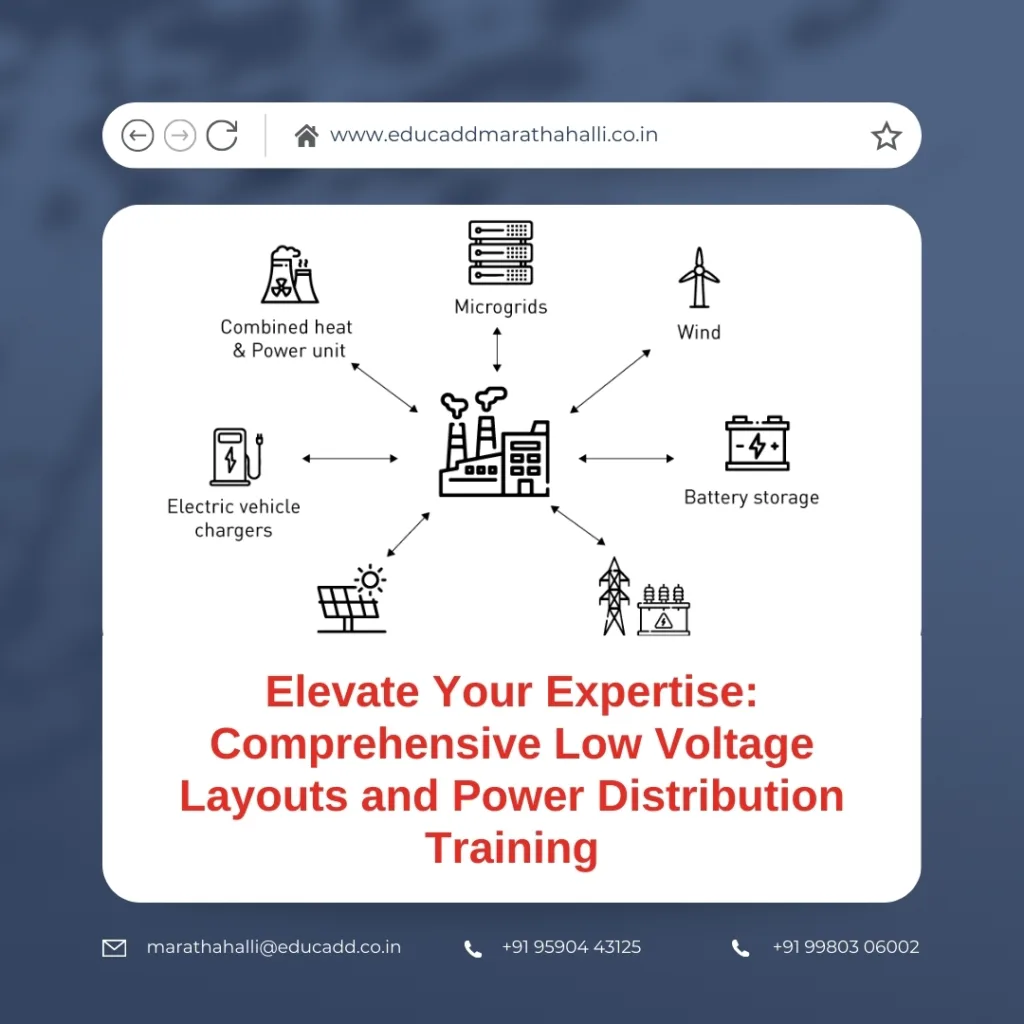
Low Voltage Power Training
In this guide, we’ll explore the fundamentals of low voltage systems, key design components, modern distribution strategies, career advantages, and how to choose the ideal training program for future-ready electrical professionals.
Fundamentals of Low Voltage Systems
Low voltage systems operate at lower voltages than standard power systems, typically below 1000V AC or 1500V DC. These systems power critical infrastructure such as:
-
Lighting and electrical outlets
-
Security and surveillance systems
-
Fire alarms and emergency devices
-
Communication networks and automation systems
Understanding these systems ensures safety, efficiency, and compliance with regulations. Through structured low voltage layouts and power distribution training, participants learn how to plan circuits, prevent energy losses, and integrate technology efficiently.
Training also emphasizes the importance of safety, teaching professionals how to avoid hazards such as short circuits, equipment damage, and electrical shocks. With increasing automation in buildings and industries, trained professionals are highly sought after for their specialized skills.
Key Components of Effective Low Voltage Layouts
Designing efficient low voltage systems requires attention to several critical elements:
1. Circuit Design and Planning
A precise plan ensures correct wiring paths, device placements, and optimized energy distribution. Training teaches learners how to create schematics and layouts using CAD tools for real-world applications.
2. Distribution Panels
Panels distribute electricity to multiple circuits while providing essential protection via fuses and circuit breakers. Programs guide learners on selecting and designing main and sub-panels for different projects.
3. Cabling Systems
Correct cabling prevents energy loss, overheating, and interference. Training focuses on cable sizing, insulation types, routing, and adherence to safety standards.
4. Protective Devices
Circuit breakers, surge protectors, and fuses safeguard both equipment and users. Professionals learn proper placement, selection, and maintenance techniques during training.
5. Load Analysis and Management
Accurate load calculation ensures balanced energy distribution and prevents system overloads. Training develops skills to optimize circuits, reduce power wastage, and enhance system longevity.
Modern Power Distribution Techniques
Effective power distribution is key to system reliability. Training in this area covers several important strategies:
1. Star and Ring Distribution Systems
Star systems provide straightforward control, while ring systems enhance reliability and reduce voltage drops. Hands-on training helps learners determine the best configuration for each project.
2. Circuit Zoning and Load Segregation
Dividing circuits into zones minimizes the impact of failures and improves safety. Training teaches professionals to classify circuits based on criticality and usage.
3. Earthing and Grounding
Proper earthing prevents shocks and equipment failure. Learners gain practical knowledge of grounding methods, inspection procedures, and standards compliance.
4. Smart Distribution Solutions
Modern systems integrate IoT sensors, energy management software, and automation tools to monitor and optimize power consumption.
5. Regulatory Standards
Training ensures adherence to standards like IEC, NEC, and IS, which are critical for safety, legal compliance, and project approval.
Benefits of Low Voltage Layouts and Power Distribution Training
Investing in professional training offers substantial advantages for both individuals and organizations:
-
Hands-on Skill Development – Learners gain practical experience with layouts, panels, and cabling systems.
-
Career Advancement – Certified professionals are preferred for advanced roles in construction, automation, and industrial projects.
-
Safety and Compliance – Training ensures adherence to regulations, reducing accidents and liability risks.
-
Energy Efficiency – Professionals learn methods to minimize losses and optimize load distribution.
-
Problem-Solving Expertise – Trained individuals can troubleshoot faults, maintain systems, and enhance operational reliability.
These benefits position learners as capable experts, ready to manage complex electrical systems efficiently and safely.
Selecting the Right Training Program
Choosing a high-quality low voltage layouts and power distribution training program is critical for meaningful skill development. Key factors include:
-
Comprehensive Curriculum – Covers circuit design, load calculation, cabling, protective devices, earthing, smart distribution, and compliance standards.
-
Practical Exposure – Hands-on experience with real equipment, simulation tools, and site visits enhances learning.
-
Experienced Trainers – Mentors with industry expertise provide practical insights and guidance.
-
Certification – Recognized credentials boost employability and career prospects.
-
Post-Training Support – Programs offering placement guidance, projects, and resources support smooth transition to professional work.
Selecting the right program ensures learners gain relevant skills while remaining aligned with industry expectations.
Real-World Applications and Career Opportunities
Professionals trained in low voltage layouts and power distribution find opportunities across multiple sectors:
-
Residential Buildings: Smart lighting, security, and automation systems.
-
Commercial Spaces: Offices, hospitals, hotels, and retail complexes.
-
Industrial Plants: Machinery power supply, automation systems, and control panels.
-
Infrastructure Projects: Airports, railways, and data centers requiring reliable low voltage networks.
-
Renewable Energy: Integration with solar and wind energy for efficient power management.
Training provides the practical skills necessary to design, implement, and maintain systems, making graduates highly valuable in these industries.
Emerging Trends in Low Voltage and Power Distribution
The electrical industry is evolving, and professionals must adapt to stay competitive. Key trends include:
-
IoT Integration: Smart sensors improve monitoring and automation.
-
Energy Storage Systems: Batteries and backup systems enhance reliability.
-
Green Building Solutions: Energy-efficient lighting, HVAC, and renewable integration are increasingly standard.
-
Digital Twin Technology: Simulation models optimize electrical networks and predict faults.
-
Advanced Safety Protocols: New standards emphasize risk reduction and cybersecurity.
Engaging in advanced training prepares professionals for these innovations, ensuring career growth and relevance.
Conclusion: Transform Your Career with Expert Training
Mastering low voltage layouts and power distribution training equips professionals with the knowledge, skills, and confidence to excel in modern electrical engineering. From residential systems to industrial installations, trained professionals can design safe, efficient, and future-ready electrical networks.
Investing in this training not only enhances employability but also fosters practical problem-solving, energy efficiency, and regulatory compliance. Begin your journey today to become a skilled electrical expert capable of managing advanced low voltage systems and power distribution projects successfully.

