
Seeing the Unseen: How 3D Rendering Transforms Interior Design Projects
The landscape of interior design has shifted dramatically with the advent of advanced visualization technology. No longer are rough sketches, 2D blueprints, or mood boards sufficient to communicate design ideas effectively. Today, clients expect clarity, precision, and an immersive preview of their future spaces. 3D Interior Design Projects bridges this gap by creating digital representations of spaces that feel tangible and realistic. It allows designers to showcase their vision in ways that words or static images cannot. Through 3D rendering, every detail—from lighting and textures to furniture arrangement—can be explored before the first brick is laid or the first wall painted.
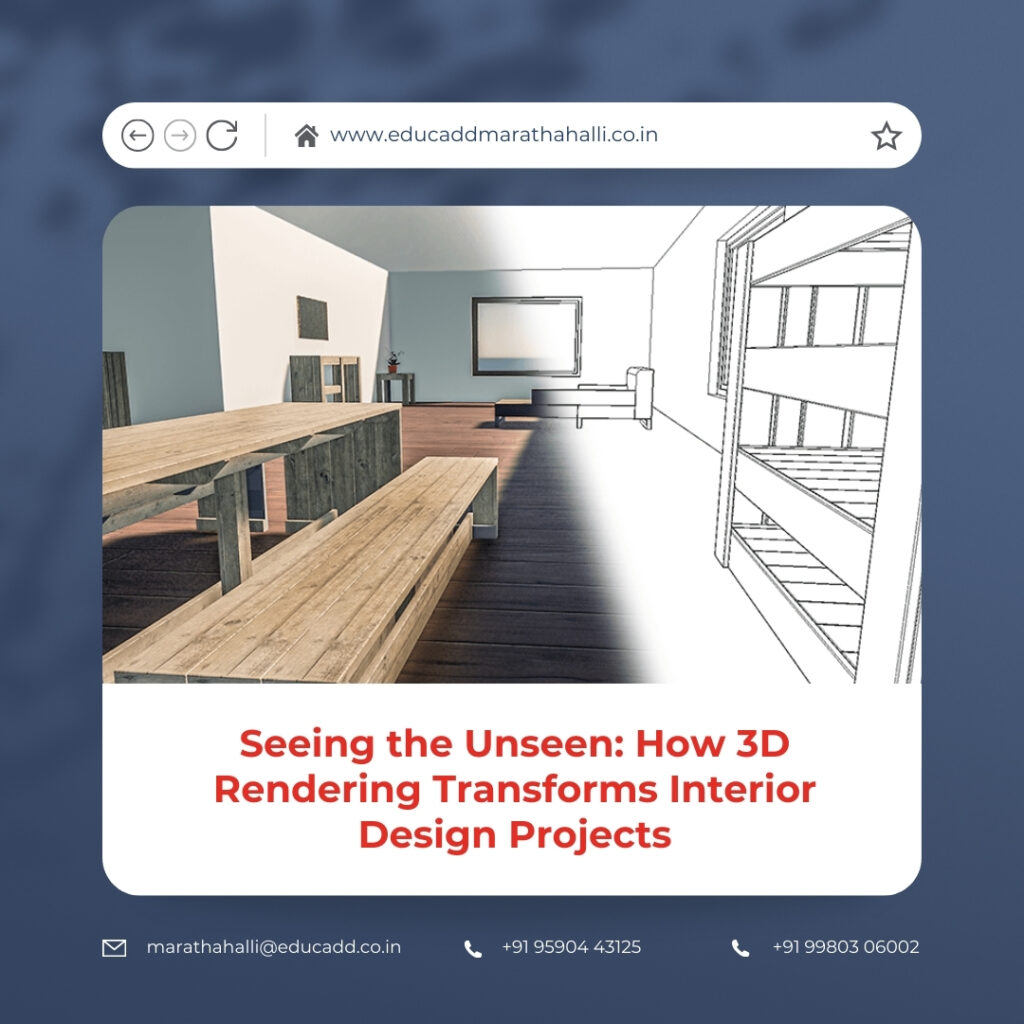
3D Interior Design Visualization
This technology not only improves client understanding but also streamlines collaboration, reduces errors, and saves time and resources. In this blog, we explore the comprehensive benefits of 3D rendering in interior design projects, highlighting why it has become an indispensable tool in modern design practice.
1. Translating Concepts into Realistic Visuals
One of the most remarkable benefits of 3D Interior Design Visualization is its ability to turn abstract ideas into visual reality. Traditional design methods often rely on sketches or flat layouts that can leave clients guessing about the final outcome. Through 3D rendering, designers can create realistic, fully furnished digital spaces that show accurate scale, color palettes, textures, and lighting. This level of detail allows clients to visualize the final design as though they are walking through the actual space. By translating concepts into tangible visuals, designers ensure that both the creative vision and practical functionality are communicated clearly, reducing the chances of misinterpretation.
2. Facilitating Clearer Client Communication
Effective communication is essential in interior design. Misunderstandings between designers and clients can lead to frustration, costly revisions, or dissatisfaction. 3D rendering in interior design addresses this challenge by providing a shared visual language. Clients can view high-quality renderings that showcase the spatial arrangement, color harmony, and overall atmosphere of the design. This eliminates ambiguity and allows clients to provide precise feedback. Designers can explain complex ideas with greater ease, while clients feel more confident in their understanding of the project. The result is stronger collaboration and a smoother design process from concept to completion.
3. Accelerating Decision-Making and Approvals
Time is a critical factor in any interior design project. Clients often delay approvals due to uncertainty about the proposed design. By using 3D rendering in interior design, designers can present polished, realistic visuals early in the planning stage. Clients can instantly grasp the design intent, making them more likely to approve plans quickly. This not only accelerates project timelines but also reduces the need for repeated revisions. Faster approvals enable designers to focus on creative execution and project management rather than constantly revising concepts, improving overall efficiency and client satisfaction.
4. Minimizing Errors and Costly Mistakes
Construction and interior fit-outs involve significant investment. Even small mistakes in design can lead to expensive rework or material waste. 3D rendering in interior design allows designers to preemptively identify potential issues before they manifest in reality. Designers can test furniture layouts, spacing, lighting placement, and circulation flow digitally. By catching mistakes at the planning stage, teams save both time and money. Clients also experience fewer surprises, and designers can maintain control over quality and budget. This proactive approach ensures that the final design aligns with the client’s expectations and practical requirements.
5. Optimizing Space Planning and Layout
A well-designed space balances aesthetics and functionality. Designers must consider circulation, furniture scale, storage solutions, and user experience. 3D rendering in interior design provides an effective tool for analyzing spatial arrangements with precision. Designers can create multiple layout options quickly, testing each for practicality and visual appeal. By visualizing spaces in three dimensions, designers can ensure optimal use of every square foot, improving comfort, flow, and utility. Clients can also understand how each area interacts with the overall design, promoting informed decisions that enhance the usability of their space.
6. Displaying Materials, Textures, and Finishes Accurately
Choosing the right materials, finishes, and textures is a critical component of interior design. However, it is often challenging for clients to visualize how these elements will interact in real life. 3D rendering in interior design addresses this issue by accurately simulating surfaces such as wood, marble, fabric, metal, and glass. Lighting effects can also be included to show how materials reflect, absorb, or diffuse light. Clients can compare options and select combinations that match their tastes and functional needs. This process reduces the likelihood of material changes during implementation and ensures that the finished project reflects the intended design.
7. Enhancing Lighting Design and Ambience
Lighting dramatically influences the perception of space. Poorly designed lighting can make an interior feel flat or unwelcoming, while well-planned lighting creates warmth and depth. With 3D rendering in interior design, designers can simulate natural and artificial lighting in precise detail. They can explore the impact of light at different times of day, test shadow effects, and assess reflections on surfaces. Clients can experience the ambience digitally, making informed decisions about fixture placement, color temperature, and intensity. This insight ensures a cohesive and inviting environment that complements the design vision.
8. Elevating Presentation and Marketing Quality
High-quality presentations often define success in client acquisition. 3D rendering in interior design elevates the visual impact of proposals, demonstrating professionalism and creativity. Stunning rendered visuals can be incorporated into portfolios, websites, brochures, and social media campaigns. They allow prospective clients to experience the designer’s capability without visiting a completed project. By presenting designs in a visually compelling manner, designers can attract premium clients, differentiate themselves in competitive markets, and enhance their reputation as forward-thinking professionals.
9. Enabling Virtual Walkthroughs and Interactive Experiences
Modern 3D rendering tools allow for immersive experiences such as virtual walkthroughs and 360-degree interactive tours. These tools give clients the ability to explore spaces digitally from multiple perspectives. 3D rendering in interior design allows designers to guide clients through rooms, highlighting key features and detailing spatial relationships. This level of interactivity strengthens emotional engagement, helping clients feel connected to their future environment. Walkthroughs also reveal practical concerns that static images may overlook, ensuring informed adjustments before construction begins.
10. Streamlining Collaboration Across Teams
Interior design projects often involve architects, contractors, engineers, and vendors. Miscommunication between these parties can lead to delays and errors. 3D rendering in interior design provides a centralized visual reference, ensuring that all stakeholders work from the same accurate model. Contractors understand the design intent clearly, suppliers align materials correctly, and teams can coordinate more efficiently. This reduces the risk of mistakes on-site, improves workflow efficiency, and fosters stronger collaboration, ultimately resulting in a smoother execution process.
11. Facilitating Design Iterations and Modifications
Client preferences may evolve during the design process. 3D rendering in interior design allows designers to implement changes digitally without restarting from scratch. Adjustments to layouts, colors, furnishings, or materials can be tested instantly, with updated visuals presented to clients for feedback. This flexibility encourages experimentation while maintaining control over budgets and timelines. Clients appreciate the ability to explore alternatives risk-free, which enhances their satisfaction and confidence in the design process.
12. Building Client Trust and Emotional Connection
Interior design decisions carry both financial and emotional weight. Clients invest in spaces they hope will enhance comfort, lifestyle, and personal expression. 3D rendering in interior design builds trust by eliminating ambiguity, allowing clients to see a true representation of their future environment. This early visualization fosters an emotional connection with the space, making them feel involved and valued. Strong client engagement translates to positive experiences, higher retention, and increased likelihood of referrals.
13. Supporting Sustainable and Smart Design
Sustainability and environmental consciousness are growing priorities in modern interior design. 3D rendering in interior design allows designers to evaluate eco-friendly materials, natural lighting efficiency, and energy-saving features before implementation. It also helps in integrating smart technologies seamlessly into the design. Clients can visualize how sustainable and technologically advanced elements fit within the space, making informed choices that reflect environmental responsibility without compromising aesthetics or functionality.
14. Future-Proofing Design Practices
The interior design industry is rapidly evolving, with digital visualization and immersive technology shaping client expectations. Designers who integrate 3D rendering in interior design stay ahead of trends and industry standards. Renderings complement virtual reality, augmented reality, and AI tools, positioning designers to offer advanced, innovative solutions. Adopting these technologies ensures relevance in a competitive market, allows for creative experimentation, and enhances overall design quality. Designers who embrace 3D rendering future-proof their practice while delivering exceptional client experiences.
Conclusion
The impact of 3D Interior Design Projects goes far beyond producing attractive visuals. It enhances communication, streamlines decision-making, reduces costly errors, and fosters deeper client engagement. Designers can present realistic, immersive representations of their concepts, test materials, layouts, and lighting, and collaborate efficiently with project teams. Beyond practical advantages, it strengthens emotional connections, inspires client confidence, and supports sustainable and innovative design choices. As the interior design industry becomes increasingly competitive, 3D rendering stands as a critical tool for creating spaces that feel real, functional, and aesthetically perfect before construction ever begins. Integrating this technology ensures not only superior design outcomes but also long-term client satisfaction and professional success.

