
Master the Art of Wireframing and Prototyping with Figma: From Ideas to Interactive Designs
In the ever-evolving digital landscape, a well-designed product is the key to user satisfaction and business success. Before any website, mobile application, or digital platform comes to life, a thoughtful design blueprint is essential. This blueprint starts with wireframing and prototyping, which allow designers to structure ideas, visualize interactions, and ensure a seamless user journey. Among the multitude of tools available, Wireframing Prototyping Figma Guide has emerged as a premier choice for designers across the globe. Its collaborative nature, intuitive interface, and powerful features make it ideal for turning abstract concepts into interactive designs.
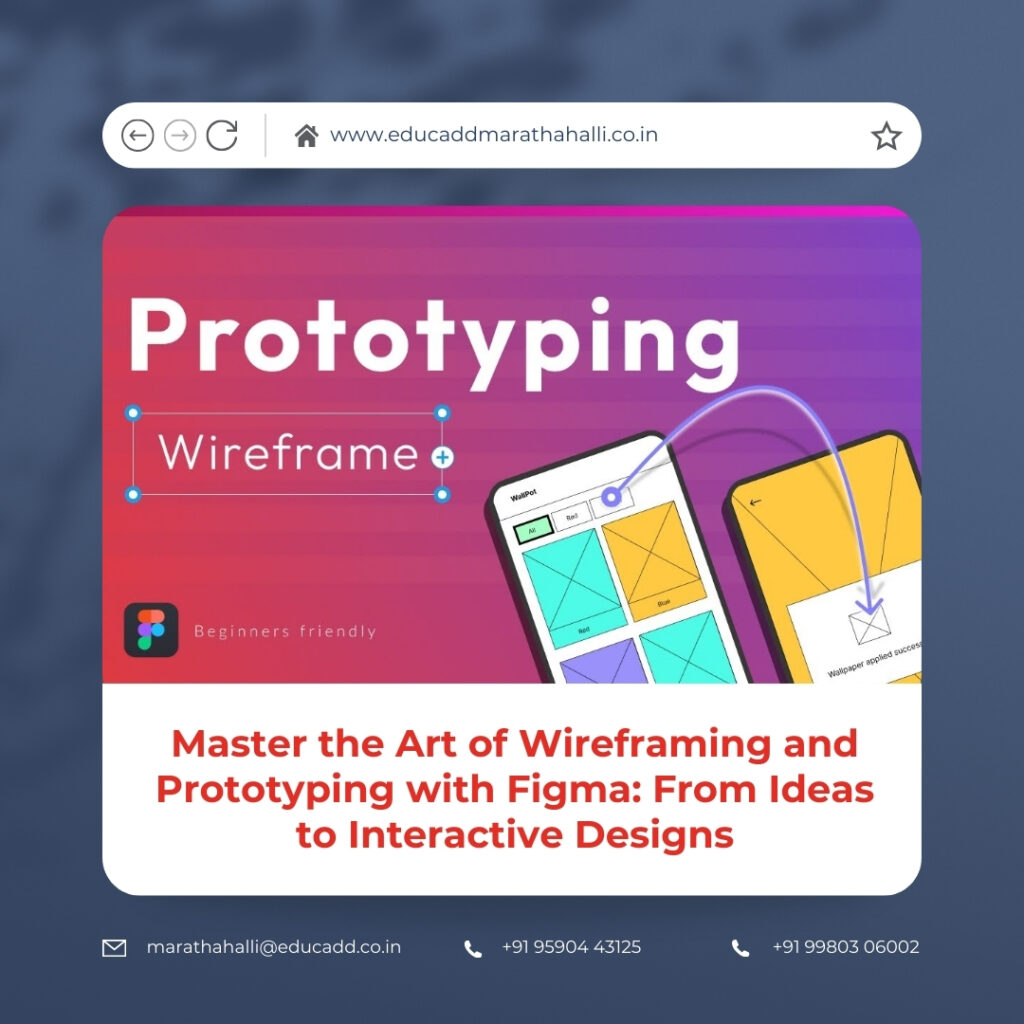
Wireframing Prototyping Figma Guide
Mastering wireframes and prototypes in Figma equips designers, developers, product managers, and digital marketers with the ability to bring their visions to life efficiently. It enables early testing, fosters clear communication within teams, and significantly reduces costly revisions during development. This blog delves into every aspect of wireframing and prototyping in Figma, providing you with a detailed roadmap to become proficient in creating user-centered, interactive digital designs.
1. Demystifying Wireframes and Prototypes
Wireframing Prototyping Figma Guide are the cornerstones of effective UX design. A wireframe serves as a skeletal outline of a digital interface, highlighting layout, hierarchy, and functional components without distractions like colors or detailed visuals. It helps teams establish consensus on structure and information flow before delving into detailed design work.
Prototypes elevate wireframes by simulating real-world user interactions. They allow designers to mimic navigation, gestures, clicks, and other dynamic behaviors, giving stakeholders a tangible sense of how the final product will function. By combining wireframes and prototypes, teams can validate ideas early, ensure alignment across departments, and create products that truly meet user expectations.
2. The Advantages of Using Figma for Wireframing and Prototyping
Figma has revolutionized the design workflow. Unlike traditional desktop-based design software, Figma operates in a browser, making it accessible from any device with an internet connection. This cloud-based setup ensures seamless collaboration, real-time updates, and version control without the hassle of file management.
Figma also integrates wireframing and prototyping in a single environment, allowing designers to transition smoothly from structure to interaction. Its versatility, combined with ease of sharing, makes it perfect for cross-functional teams that need to communicate ideas quickly and effectively. Figma’s component-based system further enhances design consistency, saving time and improving productivity.
3. Navigating the Figma Workspace
Before diving into wireframing, it is important to understand Figma’s workspace. At its center is the canvas, where all design work occurs. The left-hand panel organizes layers, pages, and assets, while the right-hand panel allows precise control over properties such as position, size, and alignment.
Frames act as containers for individual screens, making it easy to organize mobile, desktop, or tablet designs. Grids and layout guides help maintain visual balance and consistency. Familiarity with the workspace not only improves efficiency but also lays the foundation for creating structured, professional wireframes.
4. Building Low-Fidelity Wireframes
Low-fidelity wireframes are the first tangible step in bringing your ideas to life. They use simple shapes, lines, and placeholder text to represent layout and structure, keeping visual styling to a minimum. The main focus is on clarity of content hierarchy, functional placement, and user flow.
In Figma, rectangles, circles, and text blocks can represent sections, buttons, and content. Quick sketches can be turned into structured wireframes, allowing rapid iteration and feedback. Low-fidelity wireframes encourage collaboration, as stakeholders can focus on functionality without being distracted by visuals or colors.
5. Evolving to High-Fidelity Wireframes
After establishing a solid structure, designers progress to high-fidelity wireframes. These incorporate more precise details such as accurate spacing, typography, and preliminary color usage. High-fidelity wireframes offer a closer approximation of the final product, bridging the gap between wireframe and polished UI design.
Figma facilitates this transition by supporting reusable components, text styles, and grid layouts. These features ensure consistency across all screens and reduce potential confusion during development. High-fidelity wireframes also allow designers to evaluate visual hierarchy, readability, and accessibility before moving into interactive prototyping.
6. Leveraging Components and Design Systems
One of Figma’s standout features is its component system. Components are reusable elements such as buttons, navigation bars, and input fields. Updating a component automatically reflects changes across all instances, which maintains consistency and reduces manual effort.
Design systems in Figma allow teams to standardize elements across projects. Colors, typography, spacing, and components are all maintained centrally, enabling scalable, efficient design. Mastery of components and design systems ensures a professional, cohesive product, especially for large-scale projects with multiple designers involved.
7. Mapping User Flows Through Wireframes
A well-designed user flow is essential to an intuitive digital experience. Wireframes help visualize the path users will take to complete tasks or achieve goals. Designers can map sequences of screens, identify decision points, and ensure logical navigation through the product.
Figma’s frame linking and connectors allow clear visualization of user journeys. Designers can position screens side by side, showing interactions and transitions. Well-structured user flows prevent confusion, identify potential pain points early, and enhance usability, ultimately improving overall user satisfaction.
8. Introduction to Figma Prototyping
Prototyping takes wireframes to the next level by introducing interactivity. In Figma, you can define user interactions such as clicks, swipes, and hovers without writing code. Prototypes simulate real-world behavior, allowing designers and stakeholders to experience the product in action.
This hands-on experience is invaluable for testing ideas and gathering feedback. Figma supports both simple link-based navigation and advanced animations, making it suitable for projects of any complexity. Prototyping in Figma ensures that design decisions are validated before implementation, saving time and resources.
9. Creating Interactive Prototypes for Testing
Wireframing Prototyping Figma Guide are crucial for usability testing. They allow designers to observe how users interact with features, menus, and flows. With Figma, designers can create realistic simulations, including clickable buttons, drop-down menus, and interactive modals.
Testing with prototypes helps teams detect usability issues early. Iterative refinement based on user feedback ensures a more intuitive, user-friendly final product. The ability to prototype quickly in Figma encourages experimentation and fosters innovation in design.
10. Collaboration and Feedback Mechanisms in Figma
Figma’s real-time collaboration is one of its strongest assets. Multiple designers can work on the same project simultaneously, with changes appearing instantly. This eliminates versioning issues and streamlines team workflows.
Stakeholders can leave comments directly on designs, enabling transparent and actionable feedback. Designers can respond, adjust, and iterate without lengthy email chains or meetings. Figma’s collaborative environment promotes better communication, reduces misunderstandings, and accelerates project timelines.
11. Efficient Design Handoff to Developers
A smooth handoff from design to development is critical to ensure the final product matches the design intent. Figma simplifies this process by providing developers with access to all design specifications, measurements, and assets.
Developers can inspect elements, extract CSS properties, and download resources directly. This reduces dependency on designers and ensures accurate implementation. Wireframes and prototypes created in Figma provide clarity, preventing costly misinterpretations during development.
12. Best Practices for Wireframing and Prototyping
Creating effective wireframes and prototypes requires planning and strategy. Designers should start with simple, low-fidelity layouts and iterate based on feedback. Consistency, clarity, and alignment with user goals must guide every decision.
Using grids, components, and reusable elements ensures scalable design. Frequent testing and stakeholder input further refine interactions and functionality. Following these best practices results in wireframes and prototypes that are functional, user-centered, and aligned with business objectives.
13. Career Advantages of Mastering Figma
Figma skills are highly valued in the design and tech industry. Professionals proficient in wireframing and prototyping are sought after for UX, UI, and product design roles. Figma expertise enhances collaboration, speeds up project timelines, and allows designers to contribute strategically.
Learning Figma opens doors to freelance, agency, and corporate opportunities. As companies increasingly prioritize digital experiences, the demand for designers who can transform ideas into interactive prototypes continues to rise. Mastery of Figma is a long-term investment in your career growth.
14. Avoiding Common Figma Mistakes
Despite its powerful features, beginners often make avoidable mistakes in Figma. Overdesigning low-fidelity wireframes can slow progress, while neglecting user feedback may result in poor usability. Inconsistent components or unclear navigation can also lead to confusion during development.
Planning, iteration, and adherence to best practices prevent these issues. By understanding common pitfalls, designers improve efficiency, maintain quality, and deliver designs that meet user needs. Awareness of mistakes and corrective measures ensures smooth workflow and better outcomes.
Conclusion
Learning to Wireframing Prototyping Figma Guide is essential for anyone involved in digital product design. From low-fidelity sketches to interactive, high-fidelity prototypes, Figma provides the tools necessary to transform ideas into engaging user experiences.
By mastering Figma, designers improve collaboration, reduce errors, and create products that meet user expectations effectively. Whether you are a novice or experienced professional, investing time in wireframing and prototyping skills will enhance your design proficiency and open new opportunities in today’s competitive digital environment.

