
Smart Retail Store Interior Design Strategies That Turn Visitors into Loyal Buyers
Retail spaces have evolved far beyond simple places where products are displayed and sold. Today, a retail store acts as a powerful brand experience center where customers interact with products, explore the brand story, and form emotional connections with the business. Because of this transformation, Retail Store Interior Design has become one of the most important factors influencing customer behavior and purchasing decisions.
Customers often decide whether they want to continue shopping within the first few seconds of entering a store. If the environment feels welcoming, organized, and visually appealing, they are more likely to stay longer and explore the products. However, if the store appears crowded, poorly lit, or confusing, customers may leave quickly without making a purchase. This is why thoughtful Retail Store Interior Design is essential for modern retail success.
A well-designed store creates a natural flow that guides shoppers through the space. It highlights important products, improves navigation, and ensures customers feel comfortable while browsing. From lighting and layout to colors and product displays, every design element plays a role in shaping the overall experience.
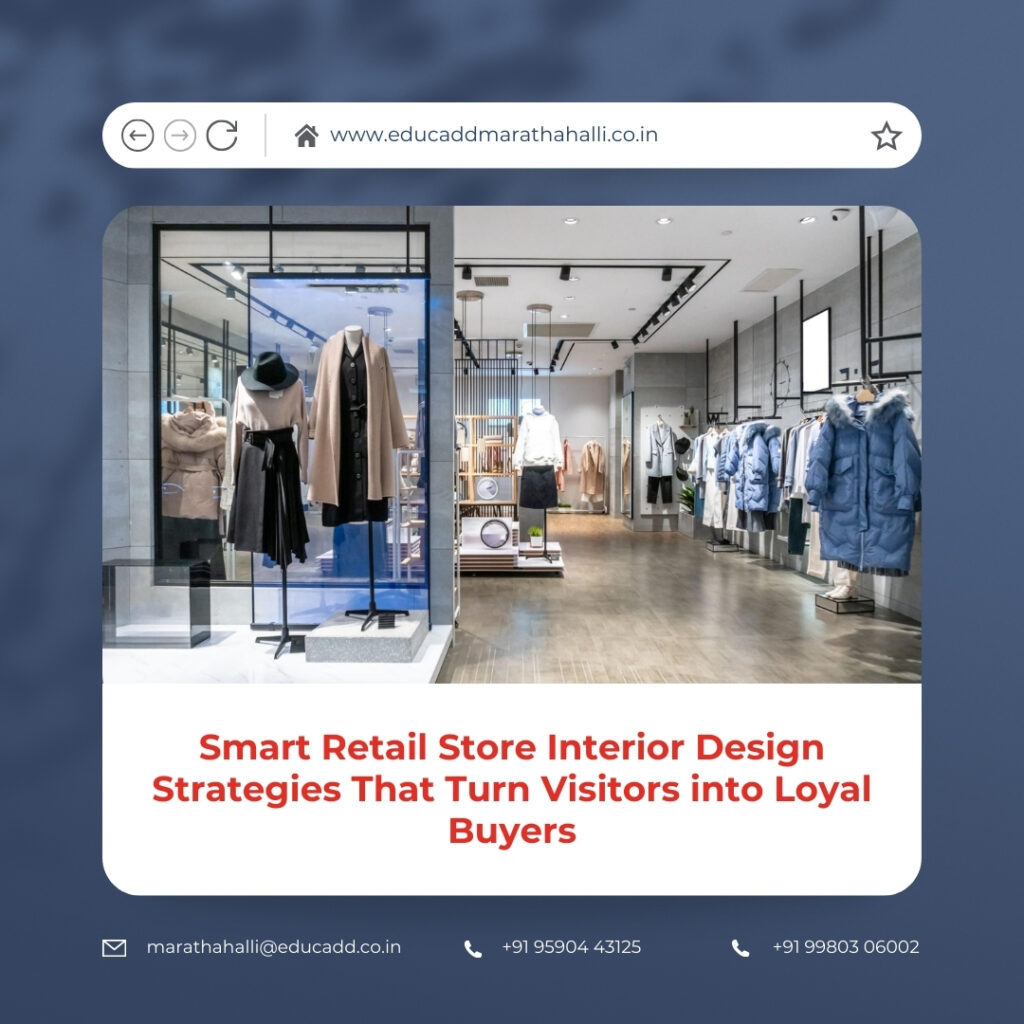
Retail Store Interior Design
Retailers who invest in smart design strategies often see improved customer satisfaction, higher sales, and stronger brand loyalty. When customers enjoy the shopping environment, they tend to spend more time exploring the store and discovering new products.
This article explores powerful and practical retail store interior design best practices that retailers can apply to create attractive, functional, and engaging shopping spaces that encourage customers to return again and again.
Why Retail Store Interior Design Matters for Business Growth
The design of a retail store directly influences how customers perceive the brand and interact with products. Because of this, Retail Store Interior Design plays a critical role in driving business growth.
When customers walk into a store, they immediately start forming opinions about the brand. A clean, stylish, and organized environment builds trust and professionalism. On the other hand, a poorly designed store can reduce confidence in the brand and discourage purchases.
Interior design also affects how customers move within the store. Strategic placement of shelves, displays, and walkways can guide shoppers naturally from one section to another. This increases product visibility and creates more opportunities for customers to discover items they might not have originally planned to buy.
Furthermore, a well-designed store enhances the emotional connection between the brand and its customers. Music, lighting, colors, and materials all contribute to the overall atmosphere. When customers feel relaxed and comfortable, they tend to spend more time exploring the store.
Retailers who understand the value of retail store interior design use it as a silent marketing tool. Instead of relying only on advertising, the store itself becomes a powerful experience that attracts customers and encourages repeat visits.
Planning an Effective Retail Store Layout
A carefully planned layout forms the foundation of successful retail store interior design. The way shelves, aisles, and product zones are arranged determines how customers navigate the store.
Retail layouts are typically designed to guide shoppers smoothly through different product categories. When customers move naturally through the store, they are exposed to more merchandise, which increases the chances of additional purchases.
Several layout styles are commonly used in retail environments. The grid layout organizes products in straight aisles and works well for supermarkets and pharmacies. Free-flow layouts allow customers to move freely through the space and are popular in fashion stores and boutiques. Loop layouts guide shoppers along a circular path that exposes them to the entire store before reaching the checkout area.
Regardless of the style chosen, the layout should remain simple and easy to understand. Customers should never feel lost or confused while navigating the store. Clear pathways and logical product grouping help create a smooth shopping journey.
When retailers invest time in planning a strategic layout, retail store interior design becomes more effective at improving both customer satisfaction and sales performance.
Designing a Powerful and Attractive Store Entrance
The entrance of a store is one of the most influential elements of retail store interior design. It creates the first impression that determines whether customers feel encouraged to step inside.
A strong entrance design should immediately communicate what the store offers. Retailers often achieve this by placing attractive product displays near the entrance. These displays highlight popular items, new arrivals, or seasonal collections.
Lighting also plays an important role in making the entrance inviting. Bright and warm lighting helps customers see products clearly while creating a welcoming atmosphere.
Retailers should also maintain an open and spacious entryway. When customers can easily see inside the store, they feel more comfortable walking in. Transparent storefronts, glass windows, and wide entrances help achieve this effect.
Clutter should always be avoided near the entrance. Too many promotional signs or product racks can overwhelm customers. Instead, the area should remain clean, organized, and visually appealing.
A thoughtfully designed entrance sets a positive tone for the entire shopping experience and strengthens the impact of retail store interior design.
Enhancing Product Visibility Through Strategic Lighting
Lighting is one of the most powerful tools available in retail store interior design. It influences how products appear and shapes the overall atmosphere of the store.
Proper lighting ensures that every product is clearly visible and attractive to customers. Without sufficient lighting, even high-quality merchandise may fail to capture attention.
Retail stores typically combine several types of lighting to achieve the best results. Ambient lighting provides general illumination throughout the space. Accent lighting highlights specific displays or promotional items. Task lighting focuses on areas where customers need more visibility, such as fitting rooms or checkout counters.
Retailers can also use lighting creatively to guide customer attention. For example, brighter lights can highlight premium products or featured collections. Softer lighting may be used in relaxation areas or trial zones.
Balanced lighting is essential for maintaining comfort. Excessively bright lighting can cause discomfort, while dim lighting may make products difficult to see.
When used strategically, lighting enhances the effectiveness of retail store interior design by improving product visibility and creating a pleasant shopping environment.
Selecting the Right Color Palette for the Store
Color psychology plays a significant role in retail store interior design because colors influence customer emotions and perceptions.
Different colors create different moods. Warm tones such as red, orange, and yellow generate excitement and energy. These colors can stimulate impulse purchases and attract attention. Cooler tones such as blue and green create a calm and relaxing atmosphere, which encourages customers to spend more time browsing.
Retailers often choose colors that reflect their brand identity. A luxury store may use neutral tones combined with elegant accents like gold or black. Meanwhile, a youth-oriented brand may prefer bold and vibrant color schemes.
Consistency is also essential. The colors used in the store should match the brand’s logo, packaging, and marketing materials. This creates a cohesive brand experience that customers can easily recognize.
Retailers should avoid using too many colors in one space. A balanced palette ensures that the environment remains visually pleasing and comfortable.
Thoughtful color selection strengthens the overall impact of retail store interior design and enhances the emotional connection between the brand and its customers.
Creating Eye-Catching Product Displays
Product displays are one of the most influential components of retail store interior design because they directly affect purchasing decisions.
An effective display does more than simply hold products. It tells a visual story that helps customers imagine how the items fit into their lives. For example, a clothing store might present a full outfit rather than displaying individual garments separately.
Retailers often use focal points to draw attention to featured products. These focal points can be created through lighting, color contrasts, or unique display fixtures.
Two key display strategies that retailers frequently use include:
-
Positioning high-demand products at eye level to attract immediate attention.
-
Updating displays regularly to maintain excitement and customer curiosity.
Creative displays encourage customers to explore products more closely. They also make the store feel dynamic and engaging.
When retailers focus on strong visual merchandising, retail store interior design becomes a powerful driver of customer interest and product sales.
Using Clear Signage for Easy Navigation
Signage is an essential element of effective retail store interior design because it helps customers find what they need quickly.
Clear signs guide shoppers to different product categories, promotional zones, and checkout areas. Without proper signage, customers may feel confused and frustrated while searching for items.
Retail signage should remain simple and easy to read. Fonts should be large enough to be visible from a distance, and colors should contrast well with the background.
Consistency also improves recognition. When all signs share the same design style, customers can quickly understand their meaning.
Retailers should also ensure that signs are positioned at appropriate heights. Eye-level placement makes signage easier to notice and follow.
Good signage reduces confusion and improves the overall shopping experience, making retail store interior design more effective and customer-friendly.
Improving Customer Flow Within the Store
Customer movement patterns strongly influence how people interact with a retail space. Therefore, managing traffic flow is a critical part of Retail Store Interior Design.
A well-designed store encourages customers to move naturally through multiple sections. Retailers often guide shoppers along a planned path that exposes them to a wide range of products.
Wide aisles improve comfort and reduce congestion, especially during busy shopping hours. Customers feel more relaxed when they have enough space to browse without bumping into others.
Retailers can also place popular items in strategic locations to encourage exploration.
Two important strategies for improving customer flow include:
-
Designing pathways that lead shoppers through high-value product zones.
-
Avoiding obstacles that interrupt natural movement within the store.
Smooth traffic flow ensures that customers enjoy a stress-free shopping experience while interacting with more products throughout the store.
Strengthening Brand Identity Through Interior Design
A retail store should reflect the personality and values of the brand it represents. For this reason, branding is a key component of Retail Store Interior Design.
The materials, colors, lighting, and furniture used in the store all contribute to the brand’s image. A technology store may use sleek metallic finishes and modern lighting, while an eco-friendly brand might choose natural wood and greenery.
Wall graphics and storytelling elements can also communicate the brand’s mission and values. These visual features help customers understand what the brand stands for.
Retailers should ensure that the store design aligns with their online presence. When customers visit the physical store, they should immediately recognize the brand identity they have seen in advertisements or on social media.
Consistent branding strengthens trust and builds long-term relationships with customers.
Integrating Technology into Modern Retail Spaces
Technology is transforming how stores operate and interact with customers. As a result, it has become an important aspect of retail store interior design.
Digital screens can display product information, promotional content, or interactive experiences. These screens capture attention and provide customers with helpful details about products.
Self-checkout kiosks also improve efficiency by reducing waiting times at the checkout counter. Customers appreciate faster transactions and greater convenience.
Retailers may also use smart lighting systems that automatically adjust brightness based on time of day or store traffic. These systems reduce energy consumption while maintaining a pleasant shopping atmosphere.
Technology should always support the shopping experience rather than overwhelm it. When integrated carefully, it enhances the functionality of retail store interior design.
Designing Comfortable Experience Zones
Experience zones allow customers to interact with products before making a purchase. These areas are an important feature of modern retail store interior design.
Fashion stores typically include fitting rooms where customers can try clothing comfortably. Electronics stores often create demo areas where shoppers can test devices and explore features.
These spaces should feel welcoming and well organized. Comfortable seating, mirrors, and clear lighting help customers evaluate products easily.
Retailers should also ensure that these zones remain clean and well maintained. A messy trial area can discourage customers from using the space.
When customers are able to test products confidently, they feel more comfortable making purchasing decisions.
Maintaining Cleanliness and Organization in the Store
Cleanliness is one of the most fundamental yet powerful aspects of retail store interior design. A well-maintained store immediately creates a positive impression.
Customers feel more confident shopping in environments that appear tidy and organized. Shelves should remain neatly arranged, and products should always be displayed properly.
Retailers should also ensure that floors, walls, and fixtures are cleaned regularly. Small details, such as fingerprints on glass displays or cluttered counters, can negatively affect the overall appearance.
Inventory management also plays a role in maintaining organization. When stock is managed efficiently, extra items do not crowd the sales floor.
A clean store environment reinforces professionalism and encourages customers to spend more time browsing.
Continuously Updating and Improving Store Design
Retail trends change constantly, so retail store interior design should never remain static. Stores that update their design regularly stay relevant and attractive to customers.
Retailers should analyze customer behavior, sales performance, and feedback to identify areas that need improvement. Even small adjustments can create a noticeable difference in the shopping experience.
Seasonal updates are also effective. Changing window displays, rearranging product sections, or introducing new design elements keeps the store feeling fresh and exciting.
Technology updates and improved lighting systems can also enhance the store environment over time.
Retailers who continuously refine their design strategies maintain strong customer engagement and stay competitive in the market.
Conclusion
A retail store is more than just a place where products are sold. It is an environment where customers connect with a brand, explore merchandise, and form lasting impressions. Because of this, effective Retail Store Interior Design plays a vital role in shaping customer experiences and driving business success.
From attractive entrances and strategic layouts to engaging product displays and comfortable customer flow, every design element contributes to the overall atmosphere of the store. Retailers who focus on these details create spaces that encourage customers to stay longer, explore more products, and return for future visits.
Modern retail design must also balance aesthetics with functionality. Lighting, signage, technology integration, and clean organization all help create a seamless shopping experience.
By applying these retail store interior design best practices, retailers can transform ordinary stores into engaging environments that inspire customers, strengthen brand identity, and support long-term growth. A thoughtfully designed retail space does more than display products—it creates memorable experiences that turn visitors into loyal buyers.

