
Precision Electrical Layout Planning for Smarter, Safer & Future-Ready Spaces
Precision Electrical Layout Planning forms the backbone of every well-functioning building, regardless of whether it is residential, commercial, or industrial. It ensures that power is distributed safely, efficiently, and in a way that supports both present and future requirements. A thoughtfully designed electrical system not only improves daily usability but also prevents costly disruptions and hazards that arise from poor planning.
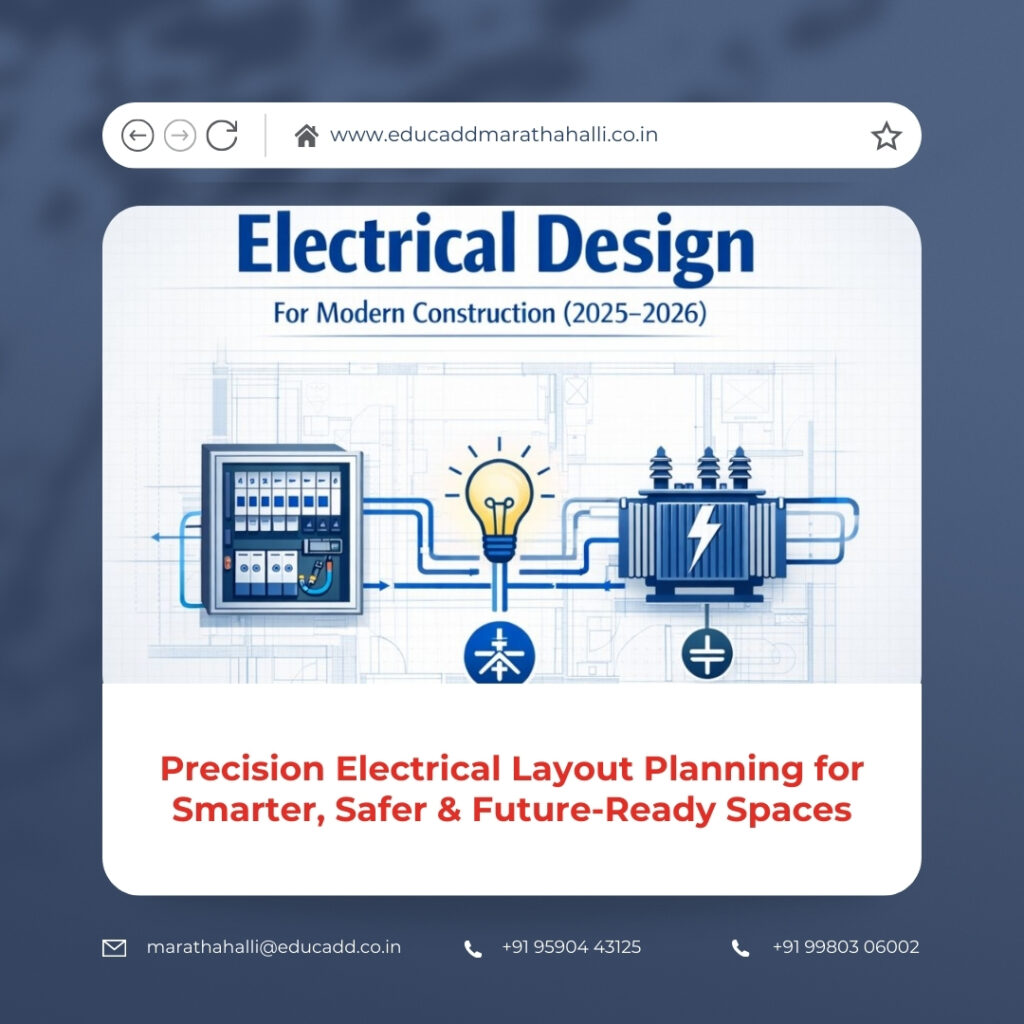
Precision Electrical Layout Planning
In today’s rapidly evolving construction landscape, electrical layout planning has become more advanced and strategic. It goes beyond basic wiring and now involves energy optimization, smart technology integration, and compliance with strict safety standards. As a result, a well-executed plan contributes significantly to the performance, sustainability, and longevity of any structure. This comprehensive guide explores the principles, techniques, and best practices that define effective electrical layout planning across various project types.
Foundations of Electrical Layout Planning
Precision Electrical Layout Planning refers to the systematic arrangement of electrical components such as wiring, switches, distribution boards, and lighting systems. It ensures that electricity flows efficiently throughout a building while maintaining operational safety. The process begins with understanding the building’s purpose, followed by mapping out electrical points and circuit routes.
Each type of project requires a different approach. Residential layouts emphasize comfort and accessibility, while commercial spaces demand flexibility and scalability. Industrial setups, on the other hand, require robust systems that can handle heavy loads and continuous operations. Therefore, a strong foundation in electrical layout planning is essential for creating reliable systems.
Why Strategic Electrical Layout Design Matters
A carefully designed electrical layout enhances both safety and functionality. When systems are planned properly, the risk of short circuits, overloads, and electrical failures is significantly reduced. In contrast, poor planning often leads to inefficient energy usage and frequent maintenance issues.
Additionally, a strategic layout improves user experience by ensuring that electrical points are conveniently placed. It also supports future upgrades, allowing new technologies to be integrated without major structural changes. As energy efficiency becomes increasingly important, electrical layout planning plays a vital role in reducing operational costs.
Core Elements of an Efficient Electrical Layout
An effective electrical layout consists of several interconnected components that work together seamlessly. These include wiring systems, circuit breakers, distribution panels, switches, sockets, and lighting fixtures. Each element must be selected and positioned with precision to ensure optimal performance.
Load distribution is another critical aspect. By dividing electrical loads across multiple circuits, the system can operate safely and efficiently. Proper grounding and insulation further enhance safety by preventing electrical hazards. Therefore, attention to these core elements is essential during the planning stage.
Residential Electrical Layout Planning Essentials
Precision Electrical Layout Planning in residential buildings focuses on creating a safe and comfortable living environment. Each room has unique requirements that influence the placement of switches, sockets, and lighting fixtures. For example, kitchens require high-capacity circuits for appliances, while living rooms benefit from flexible lighting options.
Modern homes often include advanced features such as home automation systems. These technologies require additional planning to ensure seamless integration. By considering both current and future needs, residential electrical layouts can provide long-term convenience and efficiency.
-
Smart placement of outlets improves daily usability
-
Separate circuits protect high-power appliances
Designing Effective Lighting Systems for Homes
Lighting design is an integral part of residential electrical layout planning. It influences both functionality and aesthetics, making it a key consideration during the planning process. A well-balanced lighting system combines ambient, task, and accent lighting to create a comfortable atmosphere.
Incorporating natural light into the design can further enhance energy efficiency. By reducing reliance on artificial lighting during the day, homeowners can lower their electricity consumption. Additionally, using energy-efficient lighting solutions contributes to sustainability and long-term savings.
Electrical Layout Planning in Commercial Spaces
Commercial buildings require electrical systems that can support high levels of activity and continuous operation. Electrical layout planning in these spaces focuses on efficiency, reliability, and adaptability. Offices, retail stores, and shopping complexes all have unique requirements that must be addressed.
Flexible layouts are particularly important in commercial environments, as spaces often undergo reconfiguration. Modular electrical systems allow for easy adjustments without disrupting operations. Furthermore, energy management systems help monitor usage and improve efficiency.
Power Distribution Techniques for Commercial Projects
Efficient power distribution is a key aspect of Precision Electrical Layout Planning. Distribution panels are strategically placed to ensure that electricity reaches all areas without excessive losses. Proper cable routing minimizes clutter and enhances safety.
Backup power solutions are also essential in commercial settings. Systems such as generators and uninterruptible power supplies ensure continuity during outages. These measures help maintain productivity and prevent financial losses caused by downtime.
Industrial Electrical Layout Planning Strategies
Industrial facilities demand highly durable and efficient electrical systems. Electrical layout planning in such environments focuses on handling heavy machinery, high power loads, and continuous operations. These systems must be designed to withstand challenging conditions.
Specialized equipment, including transformers and control panels, is commonly used in industrial setups. The layout must ensure smooth coordination between different components to maintain operational efficiency. Therefore, detailed planning is critical in industrial projects.
Ensuring Safety in Industrial Electrical Systems
Safety is a primary concern in industrial electrical layout planning. Systems must be designed to minimize risks associated with electrical faults and equipment failures. Protective devices such as circuit breakers and surge protectors play a crucial role in maintaining safety.
Emergency systems are also incorporated to handle unexpected situations. These include shutdown mechanisms and alarm systems that help prevent accidents. By prioritizing safety, industrial facilities can protect both personnel and equipment.
-
Circuit protection devices reduce system failures
-
Proper grounding enhances operational safety
Importance of Accurate Load Assessment
Load assessment is a fundamental step in electrical layout planning. It involves calculating the total power requirements of a building based on the number and type of electrical devices used. Accurate load estimation ensures that the system can handle demand without overloading.
This process also helps in selecting the appropriate capacity for cables, transformers, and distribution panels. By balancing loads across circuits, designers can improve efficiency and prevent energy wastage.
Energy Optimization and Sustainable Electrical Planning
Sustainability has become a major focus in modern electrical layout planning. Energy-efficient designs not only reduce environmental impact but also lower operating costs. Incorporating renewable energy sources such as solar power can significantly enhance sustainability.
Smart energy management systems allow users to monitor and control electricity usage in real time. These technologies help identify areas of inefficiency and optimize performance. As a result, sustainable electrical layouts are becoming increasingly popular.
Role of Smart Technology in Modern Electrical Layouts
Smart technology has revolutionized electrical layout planning by introducing automation and connectivity. Systems such as smart lighting, automated climate control, and remote monitoring enhance convenience and efficiency.
These technologies require careful planning to ensure compatibility and seamless integration. By incorporating smart solutions into electrical layouts, buildings can achieve higher levels of performance and user satisfaction.
Common Challenges in Electrical Layout Planning
Despite its importance, electrical layout planning can present several challenges. Inadequate planning often leads to issues such as insufficient power supply, poor accessibility, and increased maintenance costs. These problems can disrupt operations and reduce efficiency.
Another challenge is adapting to future needs. As technology evolves, electrical systems must be flexible enough to accommodate new requirements. Therefore, forward-thinking design is essential to overcome these challenges.
Best Practices for High-Quality Electrical Layout Design
Achieving a high-quality electrical layout requires careful planning and execution. Designers must follow industry standards and guidelines to ensure safety and reliability. Collaboration between architects, engineers, and contractors is also essential for successful implementation.
Regular inspections and maintenance play a key role in sustaining system performance. Using high-quality materials and components further enhances durability. By following these best practices, electrical layout planning can deliver long-term benefits.
Conclusion
Precision Electrical Layout Planning is a vital component of modern construction, influencing the safety, efficiency, and functionality of buildings. Whether it is a residential home, a commercial complex, or an industrial facility, a well-designed electrical system ensures smooth and reliable operations.
By focusing on accurate load assessment, energy efficiency, and smart technology integration, electrical layouts can meet the demands of today’s dynamic environments. As advancements continue to shape the industry, the importance of effective electrical layout planning will only increase, making it a cornerstone of future-ready infrastructure.

