
Designing Spaces That Truly Work: Furniture Design & Selection Made Practical
Creating a Practical Furniture Design Selection pleasing space goes far beyond choosing paint colors or decorative items. At the heart of every well-designed room lies furniture, which not only defines the style but also impacts comfort, usability, and overall experience. The process of furniture design and selection becomes crucial in transforming ordinary spaces into environments that serve daily needs while reflecting personality and taste.
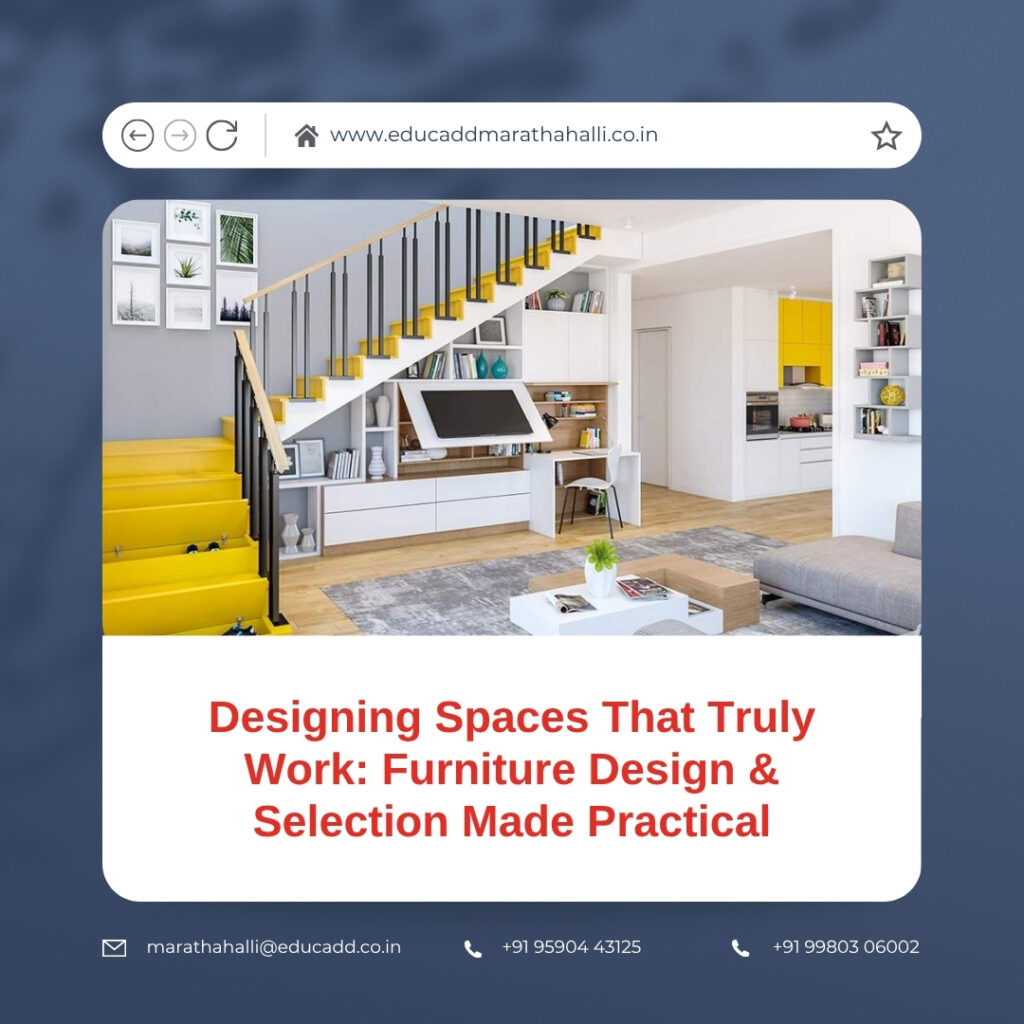
Practical Furniture Design Selection
This guide provides a practical approach to Practical Furniture Design Selection, helping homeowners, interior designers, and business owners make smart, long-lasting choices. With a focus on usability, style, ergonomics, and materials, this blog explores strategies to make your furniture choices intentional and efficient.
Understanding the Role of Furniture in Functional Spaces
Furniture is far more than decorative elements. It shapes how people interact with their surroundings and influences their comfort, productivity, and mood. Every piece—from a simple chair to a statement sofa—plays a key role in defining the function of a room.
Practical furniture design and selection focus on three main aspects:
-
Functionality – Furniture should meet the practical needs of a space, whether it’s for seating, storage, or work.
-
Comfort – Pieces should support ergonomics and human movement, ensuring long-term comfort.
-
Aesthetic Appeal – The design and finish should align with the room’s style, creating a cohesive look.
For example, an L-shaped sofa may work perfectly in a living room by maximizing seating without cluttering the area, while a compact foldable desk could transform a small corner into a functional home office. Prioritizing function ensures every piece serves a purpose, avoiding unnecessary clutter.
Key Guidelines for Practical Furniture Selection
Selecting furniture should follow a structured process rather than relying on impulse. Applying practical guidelines can save time, money, and effort while ensuring your space works effectively.
1. Plan Your Space First
Begin with accurate measurements of your room, noting windows, doors, and circulation paths. Oversized furniture may look appealing in stores but can overwhelm your space. Planning ensures proportionate furniture that fits well without restricting movement.
2. Define Room Purpose Clearly
Different rooms require different furniture solutions. Living rooms need seating that encourages relaxation and socializing. Bedrooms demand comfort and tranquility. Home offices or studios should prioritize ergonomics and efficiency. By understanding the primary function, you can choose furniture that truly supports the space’s purpose.
3. Focus on Durability and Quality
Furniture is an investment. Durable materials such as solid wood, metal, or high-quality upholstery withstand daily use and remain visually appealing over time. Avoid furniture that relies solely on current trends; timeless design often proves more practical.
4. Consider Multi-Functionality
Modern lifestyles often demand adaptable furniture. Sofa beds, extendable dining tables, storage ottomans, and modular shelves provide flexibility, especially in smaller homes. Multi-functional pieces maximize utility without crowding spaces.
5. Budget Wisely
While it’s tempting to purchase inexpensive items for immediate savings, low-quality furniture often wears out quickly. Strike a balance between affordability and quality by investing in key items and saving on smaller accessories.
Choosing the Right Materials, Finishes, and Textures
The choice of materials influences both the durability and visual appeal of furniture. Understanding the properties of each material ensures that your selections align with practical and stylistic needs.
-
Wood: Timeless and durable, wood is ideal for beds, tables, and cabinets. Different types, like oak or walnut, provide varying levels of sturdiness and aesthetics.
-
Metal: Sturdy and versatile, metals like steel and aluminum suit contemporary and industrial interiors.
-
Glass: Often used for tabletops or display cabinets, glass creates a sense of openness but requires careful handling.
-
Upholstery: Fabrics like cotton, linen, microfiber, and leather vary in comfort, maintenance, and durability.
-
Composites & Laminates: Cost-effective alternatives to solid wood, perfect for decorative purposes and light-use furniture.
Texture and finish matter too. Smooth surfaces offer a polished look, while textured finishes contribute warmth and character. High-traffic areas, such as kitchens or living rooms, benefit from easy-to-clean surfaces.
Prioritizing Ergonomics and Human Comfort
Ergonomic furniture promotes health, comfort, and productivity. A practical approach to furniture design emphasizes human-centered considerations.
-
Seating: Chairs should provide proper lumbar support, adjustable heights, and breathable materials to reduce fatigue.
-
Desks & Workspaces: Correct desk height and chair alignment prevent posture issues and enhance focus.
-
Beds & Mattresses: Sleep quality depends on mattress firmness, size, and support.
-
Dining & Lounge Furniture: Adequate seat-to-table ratios ensure comfort during meals and gatherings.
For workplaces, ergonomically designed furniture reduces strain, prevents injuries, and boosts efficiency. In residential settings, comfort-driven choices enhance relaxation and daily well-being.
Blending Style, Function, and Budget
Practical furniture selection balances style, function, and cost. A thoughtful approach creates a harmonious space that meets practical needs without compromising aesthetics.
-
Identify Your Style – Determine whether your preference is modern, minimalist, rustic, or eclectic. A consistent theme ensures cohesion.
-
Mix & Match Intelligently – Combining statement pieces with neutral elements adds personality without overwhelming the space.
-
Invest in Key Furniture – Prioritize high-use items like sofas, beds, and dining tables, while smaller accessories can remain budget-friendly.
-
Use Accessories Strategically – Rugs, cushions, and decorative items enhance style and can be updated easily without major investments.
This strategy ensures your furniture looks intentional, feels functional, and stays within budget.
Tips for Making Furniture Selection Decisions
Here are actionable tips for practical and informed furniture selection:
-
Test Before You Buy: Sit, recline, or use furniture in stores whenever possible. Comfort can’t always be judged visually.
-
Visualize the Layout: Use sketches, apps, or room planners to simulate your furniture arrangement before purchase.
-
Consider Maintenance: Choose materials and finishes that suit your lifestyle and maintenance capacity.
-
Plan for Growth: Select furniture that adapts to future needs, such as expandable tables or modular storage.
-
Seek Professional Advice: Interior designers and furniture specialists can provide insights that prevent costly mistakes.
Conclusion: Furniture That Enhances Life
Furniture design and selection are about creating spaces that truly support your life, rather than simply filling empty rooms. A practical approach ensures that every choice contributes to functionality, comfort, and style.
By planning spaces, understanding material properties, prioritizing ergonomics, and balancing style with budget, you can make informed decisions that stand the test of time. Practical Furniture Design Selection transforms everyday spaces into environments that are both inviting and efficient.
The next time you furnish a room, approach it with intention and strategy. Your choices should not only look good but also enhance daily life and well-being. A thoughtfully furnished space is a space that works—for everyone.

