
Designing Wealth: The Strategic Power of Interior Design in Increasing Property Value
Property value is no longer determined by location and square footage alone. Modern buyers expect homes and commercial spaces to deliver comfort, efficiency, personality, and long-term practicality. In this evolving landscape, Interior Design Property Value driver. Thoughtful planning, material selection, lighting strategies, and spatial organization influence how a property is perceived and priced. A well-designed interior does more than look attractive; it enhances usability, improves durability, and strengthens emotional connection. When these elements align, buyers respond with confidence and often with higher offers. This comprehensive guide explores how strategic interior design decisions can significantly elevate property worth while ensuring strong market appeal.
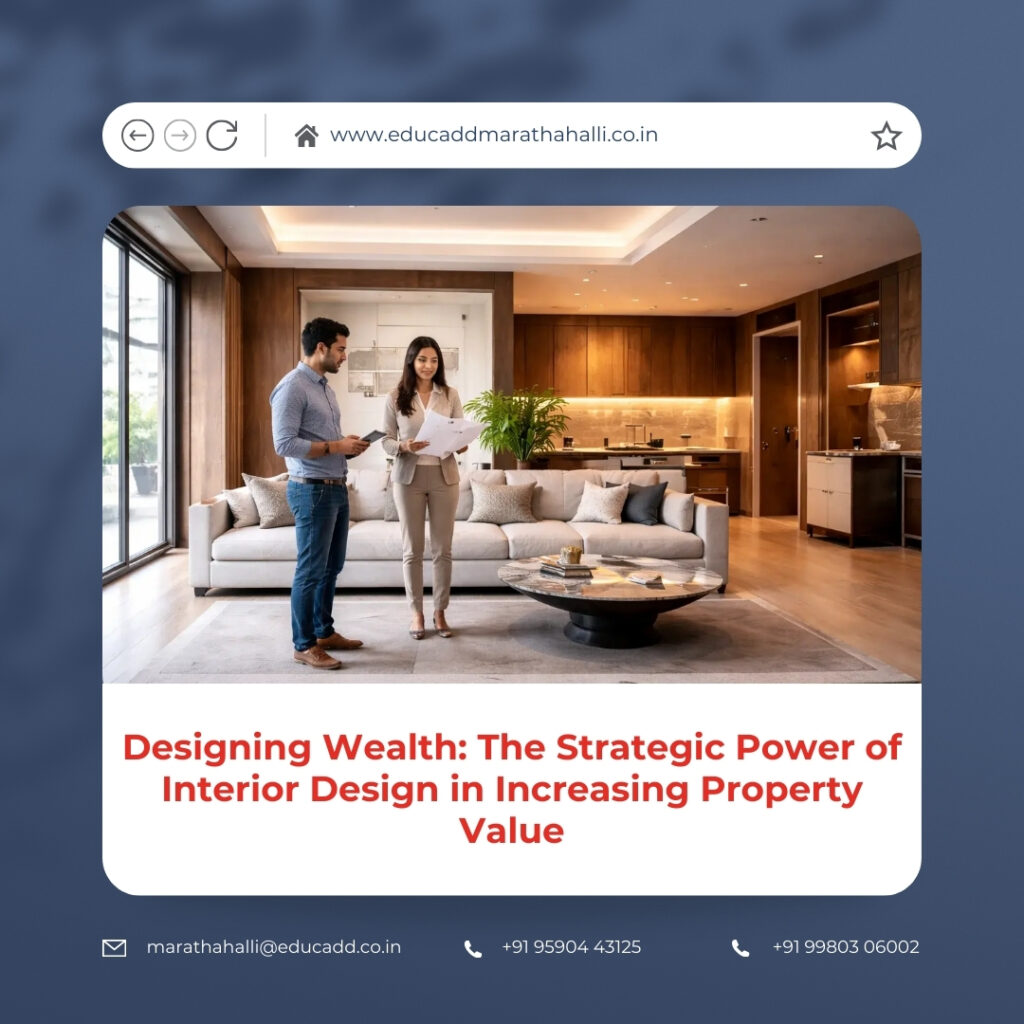
Interior Design Property Value
1. The Psychology of First Impressions in Real Estate
First impressions shape financial outcomes. The moment a prospective buyer enters a property, the environment communicates quality, care, and potential. Clean lines, balanced proportions, and coordinated décor create a welcoming tone. Consequently, visitors form positive judgments within seconds.
Interior Design Property Value influences perception through subtle cues. Organized spaces suggest proper maintenance. Neutral tones and adequate lighting create comfort and calmness. Buyers interpret these signals as indicators of long-term reliability. Therefore, properties with professionally curated interiors often generate stronger interest from the start.
Additionally, staging techniques amplify appeal. Designers position furniture to highlight architectural strengths and improve visual flow. They eliminate distractions and emphasize focal points. As a result, the property feels refined and ready for occupancy. This immediate emotional engagement often translates into quicker decisions and competitive pricing.
2. Intelligent Space Planning Maximizes Functionality
Effective space utilization directly affects perceived value. Many properties suffer from awkward layouts or underused areas. However, interior design transforms such spaces into purposeful zones that support everyday living.
Designers assess circulation paths and furniture placement to enhance movement. Open-concept arrangements frequently create a sense of expansiveness. Meanwhile, defined zones maintain structure and practicality. Through these strategies, the property feels larger and more efficient without structural expansion.
Storage solutions also contribute significantly. Built-in cabinets, wall-mounted shelving, and concealed compartments reduce clutter. Buyers appreciate environments that simplify organization. Consequently, functional planning enhances daily comfort and increases long-term attractiveness in the marketplace.
3. The Impact of Lighting on Perceived Luxury
Lighting dramatically shapes ambiance. Natural light remains one of the most desirable features in any property. Designers enhance daylight through strategic window treatments and reflective finishes. As rooms brighten, they appear more spacious and inviting.
Layered artificial lighting further elevates the atmosphere. Ambient lighting establishes general illumination, task lighting supports daily activities, and accent lighting highlights decorative features. When combined thoughtfully, these layers create depth and sophistication.
Moreover, energy-efficient fixtures add practical value. LED systems lower electricity consumption while maintaining modern aesthetics. Buyers increasingly favor properties that combine style with sustainability. Therefore, well-planned lighting not only enhances beauty but also strengthens market competitiveness.
4. Material Selection as a Reflection of Quality
Materials communicate durability and investment value. Hardwood floors, natural stone countertops, and solid wood cabinetry signal long-term reliability. Buyers associate premium finishes with reduced maintenance concerns.
However, luxury does not always require excessive spending. Engineered wood, quartz surfaces, and high-quality laminates provide similar visual impact with enhanced durability. Designers carefully balance cost and appearance to achieve maximum return on investment.
Consistency across materials also matters. When finishes harmonize throughout the property, the interior feels cohesive and intentional. This sense of unity reassures buyers that thoughtful planning guided every decision. Consequently, cohesive material choices strengthen overall property valuation.
5. Kitchen Design as a Central Value Driver
The kitchen often serves as the emotional and functional heart of a home. Buyers analyze this space carefully because it influences daily routines and social gatherings. Modern, efficient kitchens consistently boost property desirability.
Interior designers optimize workflow through practical layouts. The arrangement of sink, stove, and refrigerator encourages seamless movement. Adequate counter space enhances usability. Meanwhile, intelligent storage keeps the environment organized.
Aesthetic upgrades further enhance appeal. Neutral cabinetry, durable countertops, and contemporary fixtures create timeless charm. Even moderate renovations can significantly increase perceived value. Therefore, strategic kitchen design remains one of the strongest contributors to higher resale prices.
6. Bathroom Transformations and Market Advantage
Bathrooms influence comfort and perception of hygiene. Outdated fixtures or worn finishes can reduce buyer confidence. Conversely, modern and well-designed bathrooms elevate appeal instantly.
Designers introduce clean lines, frameless glass enclosures, and efficient vanities to maximize space. High-quality tiles and coordinated fittings create a spa-like atmosphere. Such upgrades signal attention to detail and investment in quality.
Water-saving fixtures further enhance practicality. Buyers value lower utility costs and environmentally responsible solutions. Consequently, bathroom improvements often deliver substantial returns by strengthening both aesthetic and functional impressions.
7. The Strategic Role of Color and Texture
Color choices strongly affect mood and spatial perception. Neutral palettes remain popular because they create versatility and allow buyers to imagine personal customization. Soft whites, warm beiges, and subtle grays promote balance and openness.
Designers incorporate accent shades to add depth without overwhelming the space. Textures such as natural wood, woven fabrics, and stone surfaces introduce warmth. These elements enrich visual interest while maintaining broad appeal.
When color transitions remain consistent across rooms, the property feels harmonious. Buyers interpret this cohesion as evidence of professional planning. Therefore, careful selection of tones and textures enhances emotional resonance and perceived worth.
8. Integrating Technology for Modern Living
Technological integration has become a competitive advantage in real estate. Smart thermostats, automated lighting systems, and advanced security features increase convenience. Buyers often associate these upgrades with forward-thinking design.
Interior designers ensure that technology blends seamlessly with aesthetics. Devices remain discreet, preserving clean lines and uncluttered surfaces. As a result, innovation complements rather than disrupts visual harmony.
Energy management systems also support sustainability goals. Reduced consumption lowers operational costs. Therefore, technology integration strengthens both immediate appeal and long-term financial benefits.
9. Flooring Decisions Shape Overall Cohesion
Flooring establishes the foundation of interior identity. Continuous flooring across living areas creates visual flow. This continuity makes spaces feel larger and more unified.
Hardwood remains a preferred option due to durability and timeless charm. Nevertheless, luxury vinyl and high-grade laminates offer practical alternatives. The key lies in quality installation and consistent styling.
Area rugs further define specific zones within open layouts. They introduce comfort and character without permanent changes. Consequently, thoughtful flooring choices significantly contribute to overall value perception.
10. Furniture Arrangement and Spatial Balance
Furniture placement influences how buyers navigate and interpret a property. Overcrowded rooms reduce perceived size. In contrast, balanced layouts create openness and ease.
Designers select appropriately scaled furniture to complement room dimensions. They establish focal points, such as fireplaces or large windows, to guide visual attention. Clear pathways encourage comfortable movement.
Multi-functional furniture adds versatility. Storage ottomans, foldable tables, and modular seating address modern lifestyle needs. Buyers often favor properties that demonstrate adaptability. Thus, intentional arrangement enhances usability and market appeal.
11. Sustainability as a Long-Term Investment Strategy
Eco-conscious design continues to shape buyer preferences. Sustainable materials and efficient systems support environmental responsibility. Low-VOC paints improve indoor air quality. Renewable materials reduce ecological impact.
Insulation upgrades and energy-efficient appliances lower utility expenses. Buyers recognize these savings as tangible value. Consequently, sustainable interior design not only protects the environment but also strengthens financial returns.
Properties that demonstrate environmental awareness often attract a growing demographic of informed purchasers. This trend ensures continued relevance and market competitiveness.
12. Customization and Distinctive Features
Unique design elements differentiate properties within competitive markets. Custom shelving, statement lighting, and textured feature walls create memorable impressions. However, successful customization balances personality with broad appeal.
Designers avoid overly specific themes that limit buyer imagination. Instead, they introduce adaptable focal points. Built-in storage solutions combine creativity with practicality.
Distinctive yet versatile features often justify premium pricing. Buyers appreciate individuality that does not compromise functionality. Therefore, thoughtful customization enhances desirability and supports higher valuations.
13. Durability, Maintenance, and Appraisal Impact
Appraisers evaluate interior condition carefully. Durable finishes and well-maintained surfaces contribute positively to valuation. Interior Design Property Value choices directly influence long-term resilience.
Stain-resistant fabrics, scratch-resistant flooring, and robust cabinetry reduce wear. Easy-to-clean surfaces simplify maintenance. Buyers value properties that require minimal immediate upgrades.
Moreover, minimalist design reduces clutter and simplifies upkeep. Clean environments suggest responsible ownership. Consequently, durable and practical interiors support stronger appraisal outcomes and smoother transactions.
14. Emotional Engagement and Buyer Confidence
Ultimately, property decisions combine logic and emotion. Buyers envision their future lives within a space. Interior design fosters this connection through warmth, comfort, and thoughtful layout.
Soft lighting, inviting textures, and balanced proportions create environments where people feel at ease. When emotional attachment forms, hesitation decreases. Buyers compete more actively for spaces that resonate personally.
Confidence grows when design aligns with practicality. Functional kitchens, modern bathrooms, and cohesive aesthetics reduce perceived risk. As a result, emotional engagement often translates into higher final offers.
Conclusion
Interior design serves as a strategic investment rather than a superficial enhancement. Through intelligent planning, quality materials, lighting optimization, and sustainable practices, interiors significantly Interior Design Property Value influence how properties are valued. Every decision—from layout adjustments to color coordination—shapes perception and functionality. When aesthetics merge with efficiency, buyers respond with trust and enthusiasm. In competitive markets, well-designed properties stand apart, sell faster, and command stronger prices. Therefore, integrating professional interior design strategies remains one of the most effective ways to elevate property value and secure long-term financial returns.

