
Mastering the Art of Interior Design Portfolios – Display Your Creativity with Impact
In the world of interior design, talent alone rarely opens doors. The way you present your work often determines your career trajectory. An interior design portfolio serves as more than just a collection of images—it is a narrative of your skills, style, and vision. It communicates to potential clients, employers, and collaborators not only what you can create but how you think and approach design challenges.This comprehensive guide will walk you through Interior Design Portfolio Tips, from selecting projects to presenting them digitally, ensuring that your portfolio stands out as a compelling, professional, and visually engaging showcase of your talents.
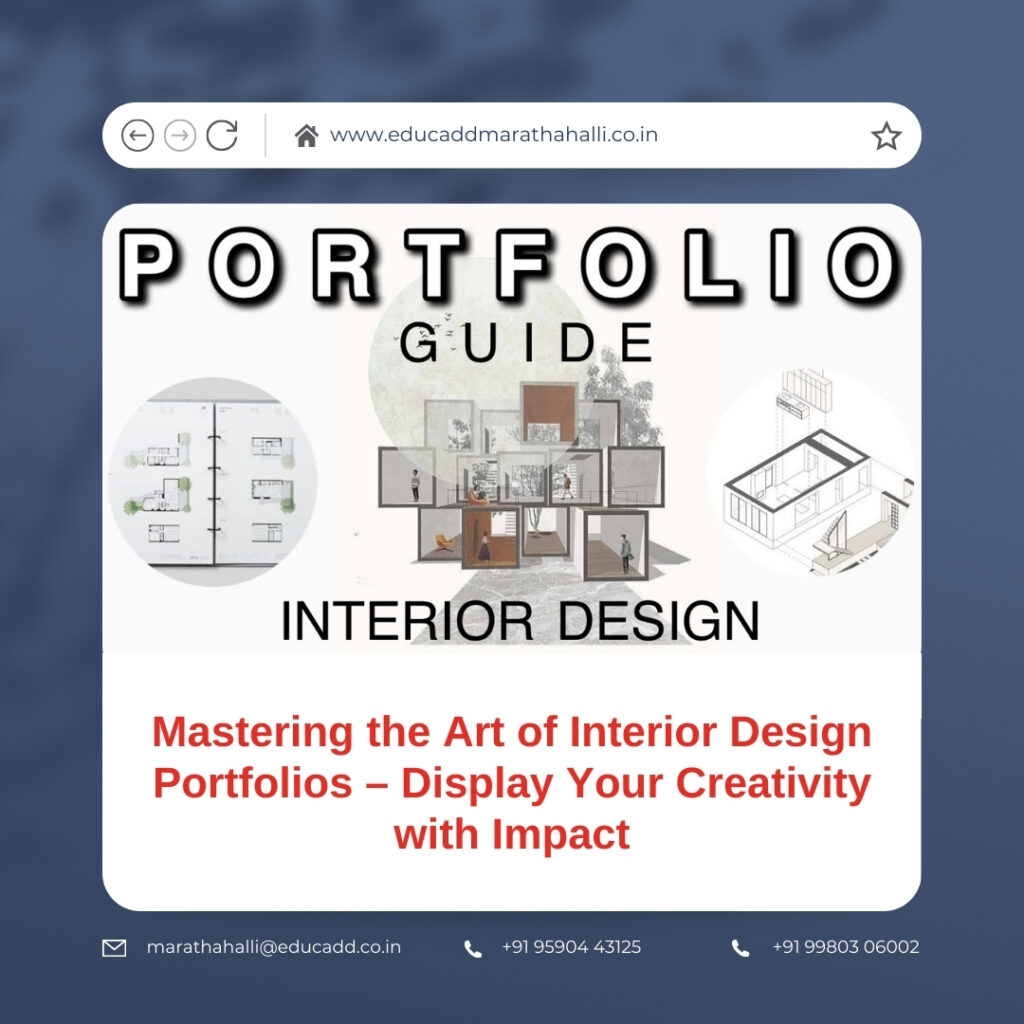
Interior Design Portfolio Tips
A well-crafted portfolio builds credibility, sets expectations, and demonstrates your professional identity. It allows others to understand your design philosophy, your problem-solving abilities, and your aesthetic sensibilities. Whether you are a student aiming to secure internships, a freelancer seeking clients, or a professional targeting top design firms, your portfolio can make the difference between being noticed and being overlooked.
Understanding the Core Purpose of an Interior Design Portfolio
Creating an Interior Design Portfolio Tips requires clarity on its purpose. Your portfolio is not just a display of your past work; it is a storytelling tool that conveys your expertise and creative approach. It provides viewers with a structured understanding of your capabilities, highlighting not just aesthetics but strategic thinking and technical competence.
An effective portfolio demonstrates how you approach challenges and conceptualize spaces. It shows potential clients or employers that you can transform ideas into functional and appealing interiors. When executed thoughtfully, your portfolio becomes an active marketing tool, enhancing your professional reputation and influencing hiring or collaboration decisions.
Selecting the Right Projects for Maximum Impact
Not every project deserves a spot in your portfolio. Selecting the right ones is crucial for portraying your strengths. Quality always outweighs quantity. A portfolio featuring a few exceptional projects is far more impactful than one cluttered with mediocre work.
Choose projects that best represent your skills and align with your career objectives. If you excel in residential interiors, prioritize homes, apartments, or personal spaces. For commercial design, showcase offices, retail environments, or hospitality projects. Include a mix of completed client projects and conceptual works to illustrate creativity, adaptability, and breadth of knowledge.
Even small personal or academic projects can add value if presented professionally. Each selected project should contribute to a coherent narrative about your design philosophy and expertise.
Structuring Your Portfolio for Clarity and Professionalism
A portfolio’s structure significantly affects how viewers perceive your work. A coherent, logical layout ensures that your design story is easily understood. Portfolio building in interior design involves carefully planning how each project is introduced, described, and visualized.
Begin with an introductory section that provides your professional background, core skills, and design philosophy. Then, for each project, include project type, scope, location, and your specific role. Describe the concept, challenges, and solutions, followed by high-quality visuals that highlight your design achievements. A structured portfolio communicates organization and professionalism, which are highly valued traits in the design industry.
The Role of Visual Presentation in Portfolio Effectiveness
Interior design is a highly visual field, making presentation quality essential. Clear, well-lit photographs or realistic renders form the backbone of your portfolio. Images should be carefully selected to emphasize layout, material choices, lighting, and other design elements.
Consistency across visuals enhances professionalism. Uniform image quality, font choices, color schemes, and layout create a cohesive experience for the viewer. A visually appealing portfolio reflects attention to detail and signals to potential clients or employers that you are thorough, meticulous, and capable of delivering polished results.
Storytelling: Making Each Project Memorable
Each project in your portfolio should tell a story. Storytelling distinguishes a professional portfolio from a simple catalog of images. By explaining the design brief, challenges, and creative solutions, you allow viewers to connect with your process and reasoning.
Include sketches, mood boards, concept diagrams, and material palettes to showcase the evolution of your ideas. Demonstrating how initial concepts transformed into final designs provides insight into your creativity, adaptability, and technical knowledge. Story-driven portfolios leave lasting impressions, making it easier for clients or employers to appreciate your unique approach.
Highlighting Technical Skills and Design Knowledge
Technical expertise is just as important as creativity in interior design. A portfolio should reflect your competence in space planning, ergonomic design, material selection, and lighting solutions.
Including technical drawings such as floor plans, sections, elevations, and 3D visualizations reinforces your professional credibility. Mentioning your proficiency with software like AutoCAD, SketchUp, Revit, or 3ds Max adds value. Displaying both creative flair and technical expertise ensures that your portfolio appeals to a wider range of clients and employers.
The Benefits of a Digital Portfolio
Digital portfolios have become essential for modern designers. They increase visibility, ease of sharing, and accessibility. Online portfolios can be hosted on personal websites, portfolio platforms, or as downloadable PDFs.
A digital format allows for interactive elements such as slideshows, embedded videos, or animated walkthroughs. It is easier to update and tailor for different audiences. For freelance work, job applications, or networking, a digital portfolio ensures that your work reaches a broader audience with professional presentation.
Portfolio Building Tips for Students and Beginners
Students or newcomers to interior design often face the challenge of limited professional work. However, portfolio building in interior design is still achievable with creative presentation of academic projects, design competitions, and personal conceptual work.
Focus on demonstrating your design thinking, research, and conceptual skills. Explain your approach, highlight challenges, and present solutions with clarity. Even speculative or redesign projects can impress if executed thoughtfully, providing proof of initiative, learning ability, and creative potential.
Tailoring Portfolios to Specific Opportunities
Not all audiences are the same. Customizing your portfolio for the target audience increases its effectiveness. A portfolio meant for corporate firms should emphasize teamwork, project execution, and technical skills, whereas freelance portfolios should focus on completed projects, client satisfaction, and results.
Tailored portfolios demonstrate professionalism and strategic thinking. Adjust the projects, descriptions, and presentation style according to the goals of each opportunity. This flexibility can make a significant difference in capturing attention and securing projects or positions.
Common Pitfalls to Avoid
Many designers unintentionally weaken their portfolios through common errors. Overcrowding with too many projects can overwhelm viewers, while inconsistent formatting or low-quality visuals can create a negative impression. Failing to explain the context, challenges, or solutions diminishes the portfolio’s storytelling power.
Portfolio building in interior design demands clarity, precision, and professionalism. Avoid rushing through the process. Critically review your portfolio, ensuring each project supports your narrative and showcases your skills effectively.
Using Your Portfolio as a Marketing and Networking Tool
A portfolio should not remain static. Actively sharing it on professional networks, social media, and during client meetings amplifies its impact. Include links in email signatures, resumes, and professional profiles.
By positioning your portfolio as a key marketing tool, you build visibility, trust, and engagement. A well-presented portfolio encourages discussions, inquiries, and potential collaborations, making it a dynamic asset in growing your career.
Keeping Your Portfolio Current and Reflective of Growth
A portfolio should evolve alongside your skills. Regular updates keep it relevant, demonstrate continuous learning, and reflect your current design capabilities. Replace older work with stronger projects, refine visuals, and enhance storytelling as you grow professionally.
Portfolio building in interior design is an ongoing process. Viewing it as a living document ensures that it remains a true reflection of your expertise, style, and accomplishments.
Conclusion
A thoughtfully designed Interior Design Portfolio Tips is one of the most valuable tools for any designer. It communicates your creative vision, technical skills, and professional approach. By selecting projects carefully, structuring content clearly, telling compelling stories, and maintaining high-quality visuals, your portfolio becomes a reflection of your professional identity.
Whether you are just beginning your journey or looking to elevate your career, your portfolio is your design voice. It opens doors, builds credibility, and distinguishes you in a competitive industry. Investing time and effort into portfolio building in interior design pays dividends in opportunities, recognition, and long-term success.

