
Why Interior Design Is Thriving in 2026: The Creative Career Shaping Modern Living
Interior Design Career Growth has become much more than arranging furniture or choosing attractive wall colors. In 2025, it stands as one of the fastest-growing creative industries because people now understand how powerful a well-designed space can be. From luxury homes and smart offices to stylish cafes and modern apartments, thoughtfully planned interiors influence comfort, productivity, mood, and lifestyle.
Today, homeowners want personalized living spaces that reflect their identity and daily habits. Businesses also focus heavily on creating interiors that improve customer experiences and employee satisfaction. As a result, professional interior designers are in high demand across residential, commercial, hospitality, healthcare, and retail sectors.
Another major reason behind this growth is the rise of urban living. Modern cities are becoming more compact, and people need creative solutions to maximize space efficiently. Interior designers help transform limited spaces into functional and visually appealing environments without compromising comfort.
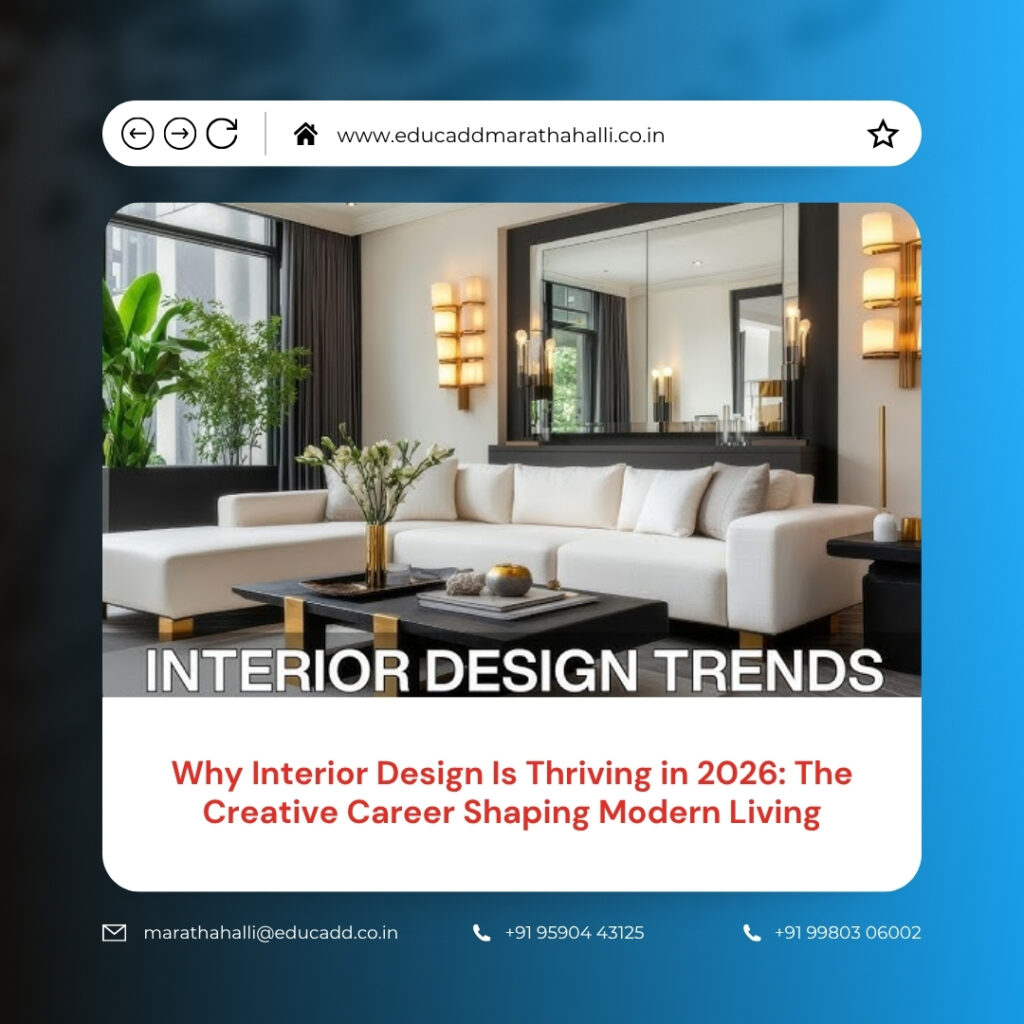
Interior Design Career Growth
This blog explores why Interior Design Career Growth continues to flourish in 2025, how industry trends are evolving, and why this profession remains one of the most exciting and future-focused career paths in the modern world.
The Interior Design Industry Continues to Expand Worldwide
The global Interior Design Career Growth is experiencing remarkable growth in 2025. More people are investing in their homes, workplaces, and commercial properties because they understand the long-term value of professional design services. This rising awareness has created countless opportunities for skilled interior designers.
Residential projects remain one of the strongest drivers of industry demand. Homeowners increasingly seek interiors that improve functionality while maintaining a modern and elegant appearance. They want spaces that feel comfortable, organized, and visually attractive.
Commercial sectors are also expanding rapidly. Businesses now prioritize customer experience and workplace design more than ever before. Offices, restaurants, retail stores, and hotels rely heavily on professional interiors to strengthen brand identity and improve engagement.
In addition, real estate developers actively collaborate with interior designers to enhance property value. Attractive interiors help projects sell faster and create stronger impressions on potential buyers. Consequently, interior design has become an essential component of modern construction and property development.
Modern Homeowners Prefer Customized Living Spaces
In 2025, personalization dominates Interior Design Career Growth. People no longer want homes that look identical to every other property. Instead, they prefer customized interiors tailored to their personalities, lifestyles, and practical needs.
Designers now work closely with clients to create spaces that reflect individual taste. From unique color combinations and custom furniture to personalized lighting concepts, every design element contributes to a more meaningful living experience.
Several lifestyle changes have increased this demand for customization:
- Hybrid work culture has encouraged people to redesign homes for better comfort and productivity.
- Social media platforms inspire homeowners to create aesthetically pleasing interiors.
Additionally, families now prioritize emotional well-being within their living spaces. Designers carefully select materials, layouts, and textures that create calm and relaxing environments. This emotional connection between people and their homes has made interior design more important than ever before.
As homeowners continue investing in personalized interiors, the need for creative and professional designers keeps growing across urban and suburban markets.
Smart Homes Have Increased the Need for Skilled Designers
Technology has transformed modern interiors significantly. In 2025, smart homes are becoming increasingly common, and interior designers play a major role in integrating technology with aesthetics.
Homeowners now expect automated lighting, voice-controlled systems, intelligent security features, and energy-efficient appliances within beautifully designed spaces. Designers must ensure that these technologies blend seamlessly into the overall interior concept.
Smart homes require careful planning because functionality and appearance must work together harmoniously. Interior designers coordinate with architects, engineers, and technology experts to create practical and visually balanced spaces.
Moreover, clients now want technology that improves convenience without making interiors feel overly mechanical. Designers achieve this by hiding wires, optimizing layouts, and selecting modern fixtures that complement the overall design style.
As smart living continues becoming more popular worldwide, designers with technical knowledge and digital expertise are gaining strong competitive advantages within the industry.
Sustainable Design Is Becoming a Major Industry Standard
Sustainability is no longer just a Interior Design Career Growth. It has become a fundamental requirement for modern interior projects. Consumers are increasingly aware of environmental issues and actively seek eco-friendly design solutions.
Interior designers now prioritize sustainable materials, energy-saving lighting systems, recycled furniture, and natural ventilation methods. Clients also prefer interiors that support healthier lifestyles and reduce environmental impact.
Green design practices offer several important benefits:
- Reduced energy consumption and lower utility costs.
- Improved indoor air quality and healthier living conditions.
Many commercial projects now follow green building standards that require environmentally responsible design approaches. Because of this shift, interior designers with expertise in sustainability are highly valued across residential and corporate sectors.
Additionally, eco-conscious interiors create a timeless and natural appearance that appeals to modern consumers. As environmental awareness continues increasing, sustainable interior design will remain one of the strongest growth areas in the industry.
Businesses Are Investing Heavily in Interior Experiences
Commercial interior design has become one of the most profitable sectors in 2025. Businesses now recognize that interior environments directly influence customer behavior, employee productivity, and brand perception.
Modern offices focus on flexibility, collaboration, and employee well-being. Companies invest in ergonomic furniture, natural lighting, breakout areas, and creative workspaces to improve overall performance and workplace satisfaction.
Retail stores also rely heavily on interior design to attract customers. Attractive layouts, visual displays, and immersive shopping experiences encourage consumers to spend more time inside stores.
Restaurants, cafes, and hospitality spaces prioritize ambiance because customers increasingly value memorable experiences over simple transactions. Interior designers help businesses create environments that leave lasting impressions on visitors.
As competition continues increasing across industries, businesses understand that professional interior design provides both functional and financial advantages. Therefore, commercial design demand remains exceptionally strong worldwide.
Social Media Has Revolutionized Interior Design Trends
Social media has completely transformed the interior design industry. Platforms like Instagram, Pinterest, and YouTube constantly expose people to fresh design ideas, luxury interiors, and innovative home transformations.
This digital exposure has raised consumer expectations significantly. Homeowners now notice design details more carefully and actively search for professional guidance to achieve stylish interiors.
Interior designers also benefit greatly from social media marketing. They showcase portfolios, attract clients, and build strong personal brands through online platforms. This visibility helps designers reach larger audiences without relying solely on traditional advertising.
Additionally, social media has inspired younger generations to explore careers in interior design. Students now view the profession as creative, modern, and financially rewarding.
Because online platforms continuously influence design preferences and consumer behavior, social media remains a powerful force driving industry growth in 2025.
Small Homes Need Creative Space Planning Solutions
Rapid urbanization has increased the demand for compact housing in major cities. Apartments and smaller homes are becoming more common, especially in urban areas where space is limited and property prices continue rising.
As a result, homeowners require intelligent interior solutions that maximize available space without compromising comfort or aesthetics. Interior designers specialize in creating layouts that improve functionality while maintaining openness and visual appeal.
Multifunctional furniture has become extremely popular in compact interiors. Foldable tables, hidden storage systems, modular seating, and convertible furniture help homeowners use limited spaces more efficiently.
Minimalist design concepts are also gaining popularity because they create cleaner and more organized living environments. Designers use neutral color palettes, natural lighting, and streamlined furniture arrangements to make smaller homes feel spacious and comfortable.
The increasing demand for practical space optimization ensures continuous opportunities for skilled interior professionals in urban residential markets.
Interior Design Provides Diverse Career Opportunities
Interior design offers a wide variety of career paths in 2025. Professionals can choose from residential, commercial, hospitality, retail, exhibition, furniture, lighting, and sustainable design specializations.
Residential designers focus on homes, apartments, and villas. Commercial designers work on offices, shopping centers, and business environments. Hospitality designers create interiors for hotels, restaurants, and resorts.
Some professionals specialize in luxury interiors, while others focus on affordable and functional designs for middle-income households. This flexibility allows designers to choose career paths based on their interests and strengths.
Freelancing has also become increasingly popular. Many designers now work independently and collaborate with clients through digital platforms. This career model offers creative freedom and flexible working conditions.
Additionally, experienced designers often establish their own studios or consultancy firms. Because the industry supports both employment and entrepreneurship, interior design remains a highly attractive profession for creative individuals.
Luxury Interior Design Continues to Grow Rapidly
Luxury interior design remains one of the fastest-growing segments within the industry. High-income consumers increasingly invest in premium interiors that combine comfort, exclusivity, and sophisticated aesthetics.
Luxury projects often include imported materials, designer furniture, advanced lighting systems, smart technology integration, and custom-crafted décor elements. These projects require specialized skills and attention to detail.
Clients in the luxury segment prioritize originality and craftsmanship. They want unique spaces that reflect status, elegance, and modern living standards. As a result, luxury interior designers often work on highly creative and technically advanced projects.
The hospitality sector also contributes significantly to luxury design demand. Premium hotels and resorts continuously upgrade interiors to attract high-end travelers and create memorable guest experiences.
As global wealth increases and luxury lifestyles become more aspirational, this segment will continue offering excellent opportunities for experienced interior designers.
Educational Institutions Are Supporting Industry Growth
The increasing popularity of interior design has encouraged educational institutions to expand specialized training programs. In 2025, students have access to advanced courses that combine creativity, technical knowledge, and practical experience.
Interior design education now includes software training, space planning, furniture design, lighting concepts, material selection, and sustainable design techniques. Many institutes also provide live project exposure and internship opportunities.
Professional training helps students develop strong problem-solving skills and industry confidence. They learn how to communicate with clients, manage budgets, and execute projects effectively.
Additionally, educational institutions collaborate with industry experts to ensure students stay updated with the latest design trends and technologies. This industry-oriented approach improves employability and career readiness.
As more students recognize the growing potential of interior design careers, educational investments continue strengthening the future of the profession worldwide.
Renovation Projects Are Increasing Across Cities
Home renovation has become extremely popular in 2025. Instead of purchasing new properties, many homeowners now prefer upgrading existing spaces to match modern lifestyles and design trends.
Interior designers play a crucial role in transforming outdated interiors into contemporary and functional environments. Renovation projects often include kitchen upgrades, modular storage solutions, modern lighting installations, and space reconfiguration.
Older properties especially require professional expertise because structural limitations must be considered carefully during redesign processes. Designers help homeowners improve both aesthetics and practicality while maintaining budget control.
Commercial renovation projects are also increasing. Offices, retail stores, and hospitality businesses regularly refresh interiors to stay competitive and attract customers.
Because renovation demand continues growing in both residential and commercial sectors, interior designers remain highly valuable across urban markets.
Clients Value Professional Expertise More Than DIY Solutions
Although online tutorials and DIY content are widely available, professional interior designers continue to enjoy strong demand. Most clients understand that expert guidance leads to better results and fewer costly mistakes.
Interior Design Career Growth possess technical knowledge that goes beyond decoration. They understand lighting balance, space utilization, ergonomics, material selection, and construction coordination. This expertise ensures smoother project execution and long-term functionality.
Professional designers also save clients significant time and effort. They manage vendors, coordinate installations, and solve unexpected design challenges efficiently.
Furthermore, experienced designers help clients achieve cohesive interiors that align with lifestyle needs and budget requirements. Their ability to combine creativity with technical precision creates value that DIY approaches often cannot match.
As project complexity increases, more people prefer hiring qualified professionals instead of relying solely on online inspiration content.
The Future of Interior Design Looks Extremely Bright
The future of interior design appears exceptionally promising beyond 2025. Several evolving trends will continue driving demand across residential, commercial, and luxury sectors.
Smart technology integration will become more advanced, creating new opportunities for designers who understand automation and digital living systems. Sustainable construction practices will also remain a long-term priority worldwide.
Additionally, wellness-focused interiors are becoming increasingly important. Clients now seek spaces that improve mental health, reduce stress, and support healthier lifestyles. Designers use natural lighting, calming textures, and biophilic elements to achieve these goals.
Global cultural influences will further shape interior trends. Consumers increasingly appreciate designs that combine modern functionality with regional aesthetics and traditional craftsmanship.
Because interior design continues adapting to changing lifestyles and technological advancements, the profession will remain highly relevant and profitable for many years ahead.
Conclusion
Interior Design Career Growth is undoubtedly one of the most dynamic and in-demand industries in 2025. People now recognize that thoughtfully designed spaces improve not only appearance but also comfort, productivity, emotional well-being, and overall quality of life.
The industry continues growing because of urbanization, smart home technology, sustainability trends, social media influence, and evolving lifestyle preferences. Residential and commercial sectors alike depend heavily on professional designers to create functional and visually impressive environments.
At the same time, interior design offers diverse career opportunities for creative individuals who want a profession that combines innovation, artistry, and practical problem-solving. Whether working on luxury homes, modern offices, retail spaces, or eco-friendly projects, interior designers continue shaping the future of modern living.
As technology and consumer expectations continue evolving, the demand for skilled interior professionals will only become stronger. Therefore, interior design remains not only relevant but also one of the most exciting and future-ready industries in the world today.

