
The Hidden Language of Electrical Design: Mastering Symbols, Standards & Smart Libraries
Behind every electrical system lies a carefully structured visual language that engineers rely on to communicate ideas with clarity and precision. This language is built on Electrical Design Symbols Guide by global standards, and powered by well-organized libraries. Whether designing a simple wiring layout or a large-scale industrial automation system, these elements ensure that every component and connection is clearly understood.
Electrical diagrams are not just technical drawings; they are critical tools that drive efficiency, safety, and collaboration. Without standardized symbols, even the most experienced professionals could struggle to interpret complex circuits. Standards provide consistency, while libraries simplify the design process by offering ready-made elements that align with those standards.
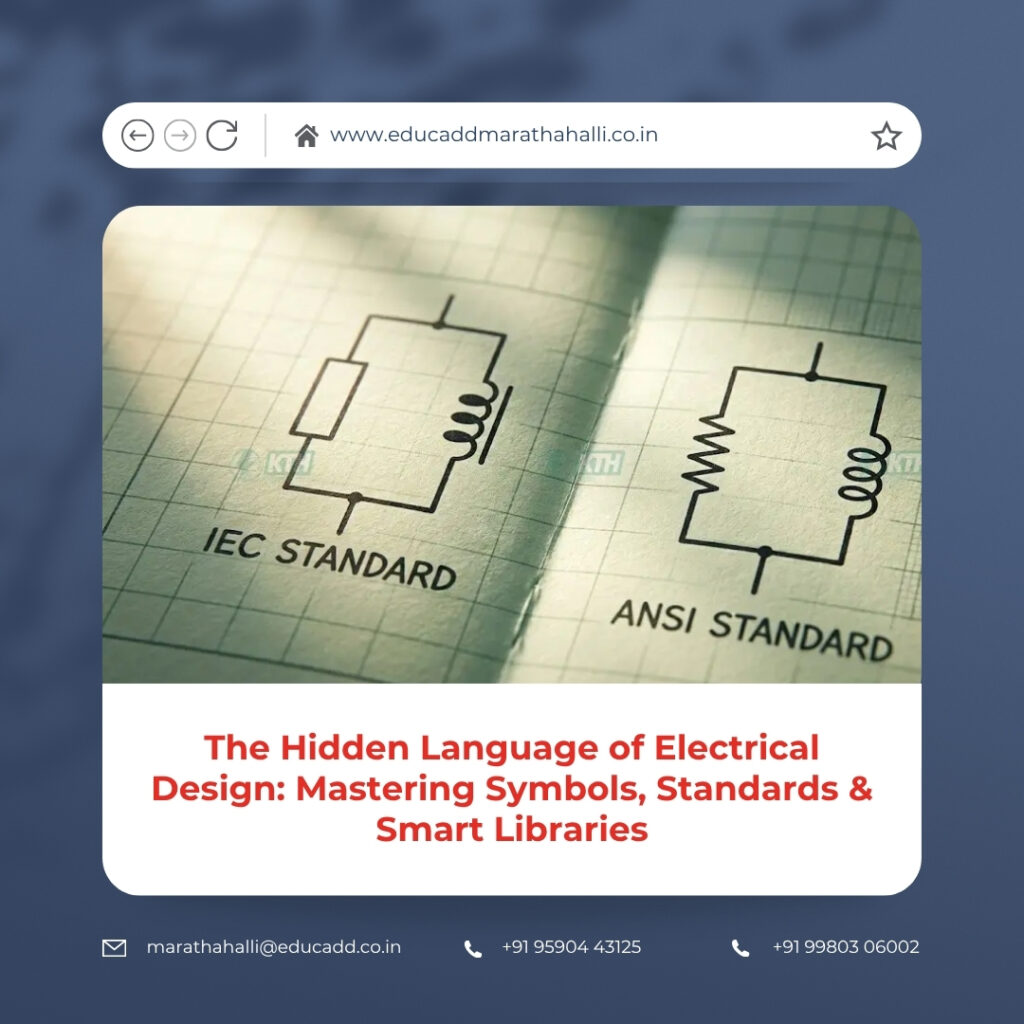
Electrical Design Symbols Guide
In this detailed guide, you will explore how electrical symbols function, why standards are essential, and how libraries enhance modern workflows. By understanding these concepts, you will be better equipped to create accurate, efficient, and professional electrical designs.
1. What Electrical Symbols Represent in Modern Engineering
Electrical Design Symbols Guide are simplified visual representations of physical components used in circuit diagrams. Instead of drawing realistic images of devices, engineers use standardized symbols to convey their function and connectivity. This approach reduces complexity and improves readability across all types of electrical drawings.
Each symbol carries a specific meaning. For example, a resistor is represented differently from a capacitor or a motor, allowing engineers to quickly identify components within a system. These symbols act as building blocks, helping designers construct clear and logical diagrams.
As systems become more advanced, the importance of symbols continues to grow. They allow engineers to focus on functionality rather than visual detail. This clarity ensures that even complex systems can be understood at a glance, which is essential for design, troubleshooting, and maintenance.
2. How Electrical Symbols Have Evolved Over Time
The development of electrical symbols reflects the evolution of engineering itself. In the early days, there was no uniform system, and different engineers often used their own representations. This lack of consistency created confusion and made collaboration difficult.
As electrical systems expanded in scale and complexity, the need for standardized symbols became more evident. Organizations began introducing guidelines to unify diagram representation. Over time, these guidelines evolved into formal standards that are widely used today.
Modern symbols are designed with simplicity and clarity in mind. Digital tools have further refined their use, allowing engineers to create precise schematics quickly. This evolution has transformed electrical design into a more efficient and reliable process.
3. Why Standardization Is Critical in Electrical Drawings
Standardization plays a vital role in ensuring that electrical diagrams are universally understood. When symbols follow a consistent format, engineers from different backgrounds can interpret them without confusion. This consistency is especially important in global projects.
Without standardization, even a small misunderstanding could lead to serious issues, such as incorrect wiring or equipment failure. By adhering to established standards, engineers reduce the risk of such errors and improve overall safety.
Standardization also enhances productivity. Teams can work more efficiently when they share a common understanding of symbols and diagram structures. This shared language simplifies communication and accelerates project completion.
4. Major Electrical Standards Used Worldwide
Several organizations have developed standards to regulate electrical symbols and diagram formats. These standards ensure uniformity and help engineers maintain consistency across projects.
The most widely recognized standards include IEC, ANSI, IEEE, and ISO. Each of these organizations provides detailed guidelines for symbol design, naming conventions, and documentation practices.
- IEC is commonly used in international and European projects
- ANSI is widely adopted in North America
Understanding these standards allows engineers to choose the most appropriate one for their work. It also ensures that their diagrams can be easily understood by others, regardless of location.
5. Comparing IEC and ANSI Symbol Systems
Although IEC and ANSI standards serve the same purpose, they differ in style and representation. IEC symbols are generally more streamlined and minimalistic, making them easier to interpret in large diagrams. ANSI symbols often include more detailed elements, which can provide additional context.
The choice between these standards depends on the project’s requirements and geographic location. Engineers working on international projects must be familiar with both systems to ensure compatibility.
Adapting to different standards can be challenging, but it is an essential skill. By understanding these differences, engineers can create diagrams that meet the expectations of diverse audiences.
6. Commonly Used Electrical Symbols and Their Roles
Electrical diagrams feature a wide range of symbols, each representing a specific function within a circuit. These symbols form the foundation of every schematic and are essential for understanding system behavior.
Common symbols include resistors, capacitors, inductors, switches, and transformers. Each of these components plays a unique role in controlling or directing electrical flow.
Learning these symbols is a fundamental step for anyone involved in electrical design. Once mastered, they enable quick interpretation of diagrams and improve overall efficiency in both design and troubleshooting tasks.
7. Understanding the Role of Libraries in Design Software
Electrical Design Symbols Guide libraries are collections of pre-designed symbols that engineers use within design software. These libraries eliminate the need to create symbols from scratch, saving time and effort.
By using libraries, engineers can quickly access standardized components and integrate them into their designs. This approach ensures consistency and reduces the likelihood of errors.
Libraries also support scalability. As projects grow in complexity, engineers can rely on these collections to maintain uniformity across multiple drawings. This capability is particularly valuable in large-scale projects.
8. Advantages of Using Standardized Symbol Libraries
Standardized symbol libraries offer significant benefits in electrical design. They improve efficiency by allowing engineers to reuse existing symbols, which speeds up the design process.
They also enhance accuracy. Since the symbols are pre-validated and aligned with standards, the risk of mistakes is reduced. This reliability is crucial for maintaining high-quality documentation.
- Faster design workflow and reduced manual effort
- Improved collaboration and consistency across teams
These advantages make standardized libraries an essential resource for modern engineers.
9. Different Types of Electrical Symbol Libraries
Electrical Design Symbols Guide libraries are available in various forms, each tailored to specific needs. Built-in libraries come with design software and include commonly used symbols. Manufacturer libraries provide symbols for specific products, ensuring accurate representation.
Custom libraries allow engineers to create and store unique symbols for specialized applications. These libraries offer flexibility and can be tailored to specific project requirements.
Choosing the right type of library depends on the nature of the project. By selecting the appropriate library, engineers can improve efficiency and ensure that their designs meet all necessary standards.
10. Building and Maintaining Custom Symbol Libraries
In many projects, engineers need to create custom symbols to represent unique components. This process involves designing the symbol and defining its properties, such as connections and labels.
Once created, these symbols can be added to a custom library for future use. This approach saves time in repetitive tasks and ensures consistency across similar projects.
Maintaining these libraries is equally important. Regular updates and reviews help ensure that symbols remain accurate and aligned with current standards. Proper management enhances reliability and usability.
11. Best Practices for Organizing Symbol Libraries
Effective organization is key to maximizing the benefits of symbol libraries. A well-structured library makes it easier to locate and use symbols, improving overall efficiency.
Engineers should categorize symbols based on function, such as power components, control devices, and connectors. Clear naming conventions further enhance usability.
Regular maintenance is essential. Removing outdated symbols and updating existing ones ensures that the library remains relevant and reliable. These practices contribute to smoother workflows and better design outcomes.
12. Challenges in Applying Electrical Symbols and Standards
Despite their advantages, electrical symbols and standards can present challenges. One common issue is the variation between different standards, which can create confusion in international projects.
Another challenge is ensuring consistency in large teams. When multiple engineers work on the same project, maintaining uniform symbol usage can be difficult.
Outdated libraries also pose risks. Using symbols that do not align with current standards can lead to misinterpretation. Addressing these challenges requires proper training, communication, and regular updates.
13. Emerging Trends in Electrical Symbols and Digital Libraries
The field of electrical design is evolving rapidly, driven by technological advancements. Modern software tools are making it easier to create and manage electrical diagrams.
Automation is becoming more common, allowing systems to generate symbols and schematics automatically. Artificial intelligence is also being integrated to enhance accuracy and efficiency.
Cloud-based libraries are transforming collaboration. Engineers can access shared resources from anywhere, enabling real-time updates and seamless teamwork. These trends are shaping the future of electrical design.
14. Enhancing Communication Through Standardized Symbols
Electrical symbols play a crucial role in improving communication within engineering teams. By providing a clear and consistent visual language, they make complex systems easier to understand.
Standardized symbols ensure that everyone interprets diagrams in the same way. This clarity reduces errors and improves coordination between different departments.
In addition, well-designed diagrams enhance documentation quality. They provide a comprehensive overview of systems, making maintenance and troubleshooting more efficient. As a result, organizations benefit from improved performance and reduced downtime.
Conclusion
Electrical Design Symbols Guide, standards, and libraries are the foundation of modern electrical design. They simplify complex systems, ensure consistency, and enable effective communication across teams.
By mastering these elements, engineers can create accurate and efficient designs that meet industry standards. Libraries further enhance productivity by providing ready-to-use resources that streamline workflows.
As technology continues to advance, the importance of these tools will only grow. Engineers who understand and apply them effectively will be better positioned to succeed in an increasingly complex and interconnected world.

