
The Complete Interior Design Journey: Understanding Every Stage from Vision to Reality
Creating a beautiful and functional interior requires much more than selecting attractive furniture or choosing trendy colors. Every successful project follows a structured process that ensures the final space meets both aesthetic and practical expectations. The Interior Design Project Stages provide a clear roadmap that guides designers, clients, contractors, and suppliers through every phase of development. From the first conversation to the final styling touches, each step contributes to transforming an empty or outdated space into an environment that reflects purpose, personality, and comfort.
Interior Design Project Stages
Whether the project involves a luxury residence, a corporate office, a retail store, or a hospitality space, following a systematic design process helps eliminate confusion and improves decision-making. Furthermore, it enables designers to manage budgets, timelines, and resources effectively. Understanding the Interior Design Project Stages allows property owners to appreciate the planning, creativity, and technical expertise required to achieve exceptional results. Let us explore each stage in detail and discover how a design idea gradually evolves into a finished masterpiece.
1. Defining Project Goals and Understanding Client Expectations
Every Interior Design Project Stages begins with a comprehensive discussion between the designer and the client. This initial stage focuses on understanding the client’s lifestyle, preferences, objectives, and expectations for the space. The designer carefully gathers information about functionality requirements, desired aesthetics, budget limitations, and project timelines.
During these conversations, clients often share inspiration images, design preferences, and examples of spaces they admire. Designers use this information to understand the client’s vision and identify the project’s primary goals. This stage is essential because it establishes a clear direction for the entire project. When expectations are properly defined from the beginning, future decisions become easier and more aligned with the desired outcome.
Additionally, this phase helps build trust between the designer and client. Open communication creates a strong foundation for collaboration throughout the project.
2. Conducting a Detailed Site Evaluation
Once the project objectives are established, the next step involves visiting the site and evaluating the existing conditions. Designers carefully examine the space to understand its dimensions, structure, lighting conditions, ventilation systems, and architectural features.
A detailed site survey provides valuable information that influences future design decisions. Designers record measurements, take photographs, and identify any structural limitations or opportunities. They assess the placement of windows, doors, electrical outlets, plumbing lines, and mechanical systems.
This stage is crucial because every design solution must work within the physical characteristics of the space. Accurate site information minimizes errors and helps create realistic plans that can be implemented successfully. Furthermore, understanding the existing environment allows designers to maximize the potential of every area.
3. Gathering Inspiration and Conducting Design Research
Research serves as the creative fuel behind every successful interior project. During this stage, designers explore design trends, materials, furniture options, color palettes, and innovative solutions that align with the client’s objectives.
The research process involves studying different styles, analyzing industry developments, and investigating products that suit the project requirements. Designers may explore modern, contemporary, minimalist, industrial, traditional, or luxury concepts depending on the client’s preferences.
This phase encourages creativity while ensuring practicality. Research helps designers discover fresh ideas, sustainable materials, and cost-effective alternatives. It also enables them to stay informed about technological advancements and emerging design practices.
A well-researched project often results in unique and personalized interiors that balance beauty, comfort, and functionality.
4. Developing the Core Design Concept
After gathering sufficient information, designers begin creating the project’s central design concept. This stage transforms ideas into a visual direction that defines the overall atmosphere and personality of the space.
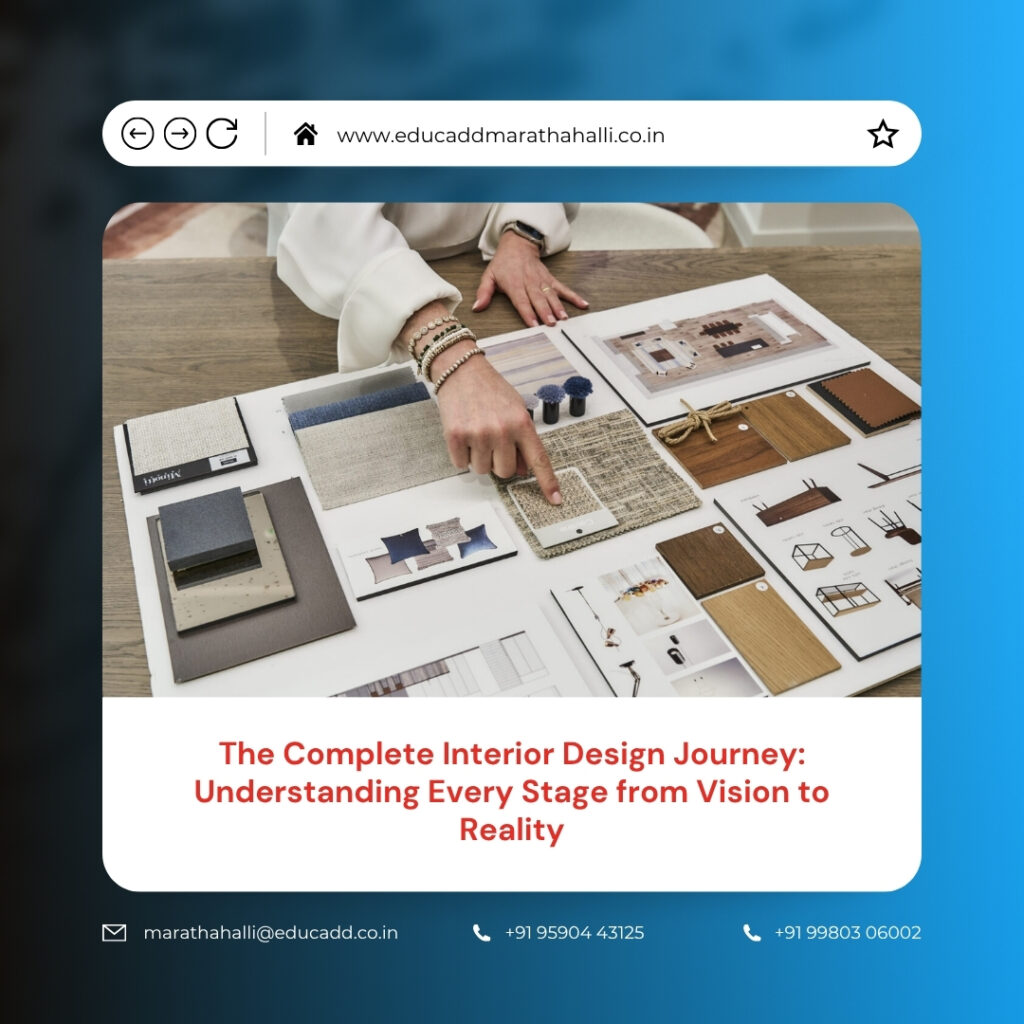
Mood boards, concept boards, color stories, material samples, and visual references are commonly developed during this phase. These tools help communicate the proposed design approach and allow clients to visualize the project’s direction.
The design concept acts as the creative blueprint for all future decisions. It establishes the emotional tone of the space while ensuring consistency across every design element. Whether the goal is elegance, simplicity, sophistication, or innovation, the concept provides a clear framework that guides the project toward a cohesive outcome.
5. Planning Space Utilization and Functional Layouts
An attractive interior must also function effectively. Therefore, space planning represents one of the most important Interior Design Project Stages. This phase focuses on organizing the available area to support daily activities efficiently.
Designers carefully analyze how people will move through the space and interact with different areas. Furniture placement, circulation pathways, storage solutions, and activity zones are strategically planned to maximize usability.
Effective space planning offers several benefits:
- Improves movement and accessibility throughout the space.
- Enhances comfort and overall user experience.
Whether designing a home or a commercial facility, thoughtful space planning ensures that every square foot serves a meaningful purpose. It also creates balance between aesthetics and functionality.
6. Creating Preliminary Design Drawings
Once the layout is finalized, designers begin translating ideas into visual drawings. These preliminary plans provide a more detailed representation of how the finished space will look and function.
Floor plans, furniture layouts, elevation sketches, and basic design drawings are developed during this stage. These visual documents help clients understand spatial relationships and evaluate the proposed arrangement.
The preliminary design phase encourages collaboration and feedback. Clients can review the drawings and request modifications before the project advances to more detailed development. This process reduces misunderstandings and ensures that the final design accurately reflects the client’s expectations.
Moreover, visual representations make complex design ideas easier to communicate and evaluate.
7. Selecting Materials, Finishes, and Surface Treatments
Material selection significantly influences the appearance, durability, and maintenance requirements of an interior space. During this stage, designers choose finishes that align with both the design concept and functional needs.
Options may include flooring materials, wall coverings, ceiling finishes, countertops, cabinetry surfaces, fabrics, and decorative treatments. Every material is evaluated based on performance, aesthetics, longevity, and cost.
Designers carefully consider:
- Durability and maintenance requirements.
- Visual appeal and environmental sustainability.
The right combination of materials creates depth, texture, and character within a space. Additionally, thoughtful material selection ensures long-term satisfaction and enhances the overall quality of the project.
8. Choosing Furniture and Decorative Elements
Furniture and decorative accessories play a vital role in shaping the personality of an interior. During this phase, designers select pieces that complement the design concept while meeting functional requirements.
Furniture choices may include seating, tables, storage units, workstations, beds, and custom-built elements. Designers also select decorative items such as rugs, artwork, mirrors, lighting fixtures, and accent pieces.
Every item must contribute to the visual harmony of the space. Comfort, durability, scale, and proportion are carefully considered before making final selections.
By combining functional furniture with thoughtfully chosen decorative elements, designers create interiors that feel inviting, balanced, and visually engaging.
9. Producing Comprehensive Technical Documentation
As the project progresses, detailed technical documentation becomes essential. This stage involves creating precise drawings and specifications that guide construction and installation activities.
Documentation may include reflected ceiling plans, electrical layouts, lighting schemes, joinery details, wall elevations, and construction notes. These documents provide contractors with clear instructions for executing the design accurately.
Comprehensive technical documentation reduces ambiguity and minimizes the risk of costly mistakes. It ensures that every stakeholder understands their responsibilities and follows a consistent set of guidelines.
Without detailed drawings, even the most creative design concepts can face implementation challenges.
10. Establishing the Project Budget and Financial Plan
Financial planning is a critical component of every successful design project. During this stage, designers prepare detailed cost estimates based on approved materials, furniture selections, labor requirements, and construction activities.
A realistic budget helps clients understand the financial implications of their design choices. It also enables designers to recommend alternatives when necessary without compromising the project’s overall vision.
Budget planning promotes transparency and prevents unexpected expenses during later stages. Furthermore, it helps prioritize investments and allocate resources efficiently.
Maintaining financial control throughout the project contributes significantly to client satisfaction and project success.
11. Coordinating Procurement and Supplier Management
After final approvals are obtained, the procurement process begins. Designers source materials, furniture, fixtures, and equipment from various suppliers and manufacturers.
This stage involves negotiating prices, tracking orders, coordinating deliveries, and ensuring product quality. Effective procurement management helps maintain project schedules and prevents unnecessary delays.
Strong relationships with vendors often provide access to better products, competitive pricing, and reliable delivery timelines. Designers continuously monitor procurement activities to ensure that all components arrive according to schedule.
Successful coordination during this phase supports smooth project execution and minimizes disruptions.
12. Implementing the Design Through Construction and Installation
Construction and installation mark the transition from planning to reality. During this stage, contractors and skilled professionals begin transforming drawings into physical spaces.
Activities may include demolition, structural modifications, flooring installation, painting, lighting installation, cabinetry construction, and furniture placement. Designers frequently visit the site to monitor progress and ensure compliance with approved plans.
Challenges occasionally arise during implementation. However, proactive communication and effective problem-solving help keep the project on track.
Watching the design come to life is often one of the most rewarding moments for both clients and designers.
13. Monitoring Quality and Ensuring Design Accuracy
Quality assurance remains essential throughout the implementation process. Designers conduct regular inspections to verify that workmanship, materials, and installations meet project standards.
Site visits allow designers to identify discrepancies, address issues promptly, and maintain consistency across all aspects of the project. They ensure that contractors follow technical specifications and uphold quality expectations.
This stage protects the integrity of the design while reducing the likelihood of future problems. Attention to detail during quality control helps deliver a polished and professional result that reflects the original vision.
Ultimately, consistent monitoring contributes to higher levels of client confidence and satisfaction.
14. Styling the Space and Delivering the Finished Project
The final phase focuses on adding the finishing touches that transform a completed interior into a welcoming and visually appealing environment. Designers arrange decorative accessories, artwork, cushions, plants, and other styling elements to enhance the overall atmosphere.
Every detail is carefully positioned to create balance, warmth, and character. Designers conduct a final walkthrough with the client to review the completed work and ensure that all expectations have been met.
Any remaining adjustments are completed before the official handover. Clients receive relevant documentation, maintenance instructions, warranties, and operational information.
This stage celebrates the successful completion of the project and marks the beginning of the client’s experience within their newly transformed space.
Conclusion
Understanding the Interior Design Project Stages reveals the depth of planning, creativity, and expertise involved in creating outstanding interiors. Every phase serves a unique purpose, from identifying client needs and developing design concepts to managing construction and final styling. Together, these stages create a structured framework that guides projects toward successful outcomes.
A well-organized design process improves communication, reduces risks, controls costs, and enhances overall efficiency. More importantly, it ensures that the finished space reflects the client’s vision while delivering comfort, functionality, and aesthetic appeal. Whether designing a residential property, commercial office, retail environment, or hospitality venue, following these stages of interior design projects remains the key to achieving exceptional and lasting results.

