
Electrical CADD: The Digital Backbone of Next-Generation Engineering Projects
The engineering and construction industries have experienced remarkable technological advancements over the last decade. As projects become more sophisticated, professionals require tools that can handle complex electrical designs with greater speed and precision. This is where Electrical CADD Engineering Projects has emerged as a game-changing solution. From commercial towers and industrial facilities to smart homes and infrastructure developments, Electrical CADD helps engineers create accurate and efficient electrical designs. It streamlines drafting processes, enhances project coordination, and minimizes costly mistakes.
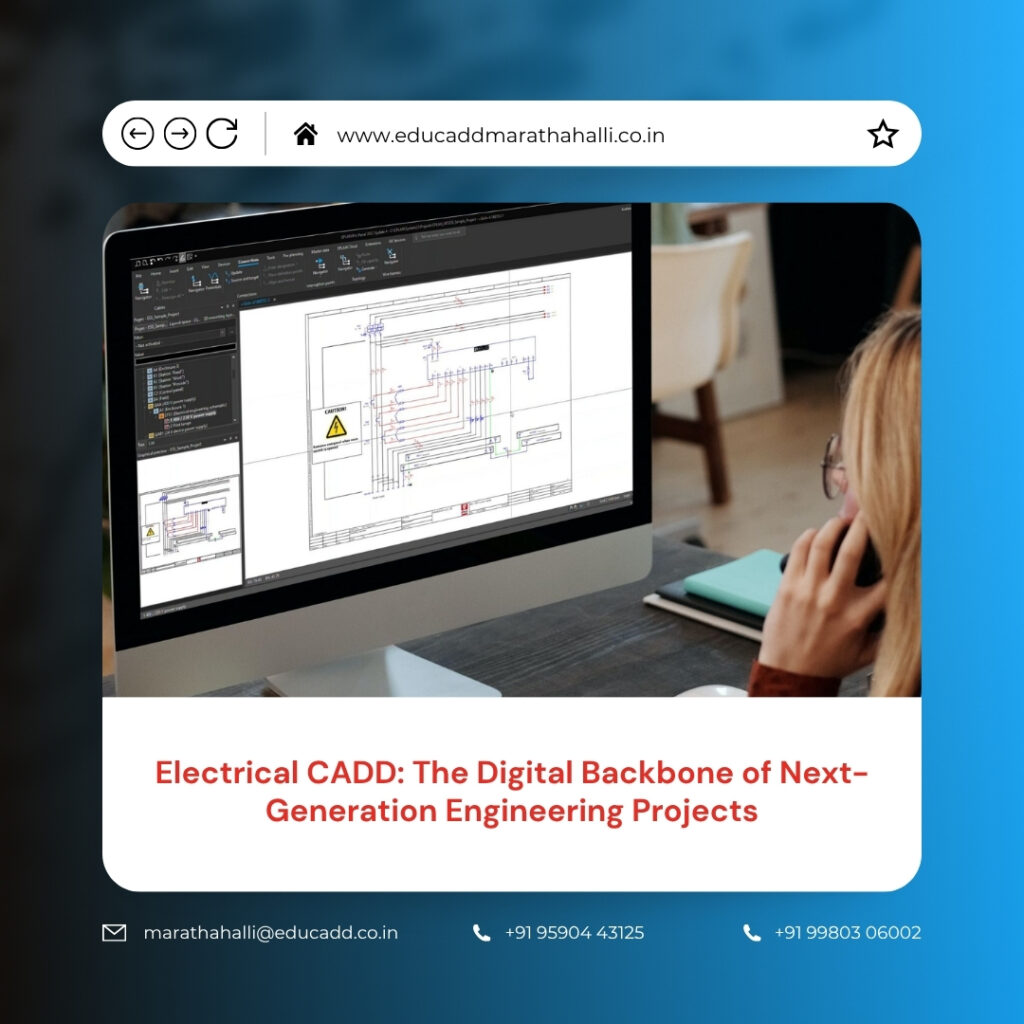
Electrical CADD Engineering Projects
In today’s competitive environment, organizations cannot rely solely on traditional drafting techniques. Instead, they need intelligent digital solutions that improve productivity and project outcomes. Electrical CADD Engineering Projects serves as a foundation for modern electrical design by enabling professionals to develop high-quality plans while meeting strict deadlines and industry standards.
The Evolution of Electrical Design in the Digital Era
Electrical design has transformed significantly from hand-drawn blueprints to advanced computer-based drafting systems. In the past, engineers spent countless hours creating and revising drawings manually. Even minor design modifications often required substantial rework, leading to delays and increased project costs. However, Electrical CADD has revolutionized this process by introducing digital precision and flexibility.
Today, engineers can create highly detailed electrical layouts using specialized software that allows quick modifications and real-time updates. This digital transformation has improved workflow efficiency and reduced the likelihood of design inconsistencies. Furthermore, Electrical CADD Engineering Projects enables professionals to manage increasingly complex projects while maintaining high standards of accuracy and reliability.
Delivering Precision That Modern Projects Demand
Accuracy remains one of the most critical aspects of electrical engineering. A small error in electrical planning can lead to equipment failures, safety hazards, or expensive project delays. Electrical CADD addresses these challenges by providing tools that ensure every design element is accurately represented.
Advanced drafting software includes intelligent features such as automatic alignment, standardized symbols, and error-checking functions. These capabilities help engineers produce drawings that meet exact project requirements. Moreover, digital drafting eliminates many of the inconsistencies associated with manual processes. As a result, project teams can move forward with greater confidence, knowing that the electrical design has been thoroughly developed and verified.
Accelerating Project Delivery Through Efficient Workflows
Project deadlines have become increasingly demanding across the construction and engineering sectors. Clients expect faster project completion without compromising quality. Electrical CADD Engineering Projects plays a vital role in achieving this balance by streamlining design workflows and reducing drafting time.
Engineers can quickly generate electrical plans, revise existing designs, and distribute updated documentation to stakeholders. Since changes can be implemented instantly, teams spend less time managing revisions and more time focusing on project execution. Additionally, automated drafting functions improve efficiency by eliminating repetitive tasks. Consequently, organizations can complete projects faster while maintaining exceptional design standards.
Enhancing Communication Across Multidisciplinary Teams
Large-scale projects involve collaboration among multiple professionals, including electrical engineers, architects, structural engineers, contractors, and project managers. Effective communication is essential for ensuring that all project components work together seamlessly. Electrical CADD provides a centralized platform that improves information sharing and project coordination.
Digital drawings can be accessed and reviewed by different teams throughout the project lifecycle. This transparency reduces misunderstandings and ensures that everyone works with the latest design information. Furthermore, collaborative workflows allow stakeholders to provide feedback and resolve issues early. As a result, project teams experience smoother coordination and fewer construction-related conflicts.
Supporting Complex Electrical Systems with Confidence
Modern facilities often contain sophisticated electrical networks that require detailed planning and careful integration. Data centers, manufacturing plants, healthcare facilities, and smart buildings depend on reliable electrical infrastructure to operate effectively. Electrical CADD enables engineers to manage these complex systems with greater control and efficiency.
The software allows designers to create comprehensive layouts that include power distribution networks, lighting systems, control panels, communication systems, and emergency backup solutions. By organizing these elements within a digital environment, engineers can ensure compatibility and optimize overall system performance. Consequently, projects achieve greater reliability and operational effectiveness.
Strengthening Compliance with Industry Regulations
Electrical installations must comply with various safety standards, building regulations, and industry codes. Failure to meet these requirements can result in project delays, legal issues, and safety concerns. Electrical CADD helps organizations maintain compliance by supporting standardized design practices and documentation procedures.
Many drafting platforms include extensive libraries of approved symbols, templates, and design guidelines. These resources assist engineers in creating drawings that align with regulatory requirements from the beginning of the project. Additionally, built-in verification tools help identify potential compliance issues before construction starts. Therefore, organizations can reduce risks and improve the likelihood of successful inspections and approvals.
Benefits of Compliance-Focused Design
- Improves adherence to electrical safety standards and regulations.
- Reduces the possibility of costly revisions during inspections.
Reducing Project Costs Through Better Planning
Cost management is a major priority for every engineering project. Unexpected design changes, material waste, and construction errors can significantly impact project budgets. Electrical CADD Engineering Projects helps minimize these challenges by improving planning accuracy and supporting informed decision-making.
Engineers can develop precise electrical layouts that provide clear information about equipment placement, cable routing, and system requirements. This level of detail enables accurate material estimation and procurement planning. Furthermore, early identification of design conflicts reduces the need for expensive modifications during construction. As a result, project teams can maintain better financial control and maximize return on investment.
Improving Visualization for Better Decision-Making
One of the most valuable advantages of Electrical CADD is its ability to enhance project visualization. Traditional technical drawings can be difficult for clients and non-technical stakeholders to interpret. However, modern drafting software presents electrical systems in a more understandable and visually engaging format.
Enhanced visualization allows project stakeholders to review layouts, assess design options, and identify potential improvements before construction begins. This capability encourages informed decision-making and helps align project objectives among all participants. Additionally, better visualization supports smoother project approvals and reduces uncertainty during implementation.
Supporting Sustainable and Energy-Conscious Development
Environmental responsibility has become an important consideration in modern engineering projects. Organizations are increasingly focused on reducing energy consumption, lowering carbon emissions, and incorporating sustainable technologies into their facilities. Electrical CADD contributes to these objectives by enabling efficient system planning and optimization.
Engineers can use digital design tools to evaluate energy-efficient lighting systems, renewable energy integration, and optimized power distribution strategies. The ability to analyze different design scenarios helps teams select solutions that balance performance and sustainability. Consequently, Electrical CADD supports environmentally responsible development while helping organizations reduce long-term operating costs.
Streamlining Documentation and Information Management
Comprehensive documentation is essential throughout the lifecycle of any engineering project. Electrical drawings serve as important references for construction teams, maintenance personnel, and future renovation projects. Electrical CADD Engineering Projects simplifies documentation management by storing information in organized digital formats.
Digital records can be updated, shared, and retrieved quickly whenever needed. This accessibility improves communication among stakeholders and ensures that accurate information remains available throughout the project lifecycle. Furthermore, well-maintained documentation supports efficient facility management and simplifies future upgrades. Therefore, organizations benefit from improved operational continuity and reduced administrative challenges.
Increasing Productivity Through Intelligent Automation
Automation has become a defining feature of modern design technology. Electrical CADD incorporates automated functions that reduce manual effort and improve workflow efficiency. Instead of spending hours performing repetitive drafting tasks, engineers can focus on higher-value design activities.
Software tools can automatically generate schedules, update project information, calculate electrical loads, and produce detailed reports. These capabilities improve consistency and reduce the risk of human error. Moreover, automation enables teams to complete more work within shorter timeframes, helping organizations remain competitive in a demanding marketplace.
Productivity Advantages of Automation
- Eliminates repetitive drafting activities and manual calculations.
- Enables engineers to focus on design quality and innovation.
Integrating Seamlessly with BIM and Smart Technologies
Building Information Modeling has become a cornerstone of modern construction practices. Electrical CADD integrates effectively with BIM environments, creating a comprehensive digital representation of a project. This integration improves coordination between electrical, structural, and mechanical systems.
By working within a shared digital model, project teams can identify clashes and resolve issues before construction begins. Additionally, BIM integration enhances project visualization, scheduling, and lifecycle management. As smart buildings and intelligent infrastructure become more common, Electrical CADD continues to play an essential role in supporting advanced design and operational capabilities.
Building Safer and More Reliable Electrical Infrastructure
Safety is a fundamental objective in every engineering project. Electrical systems must operate reliably while protecting people, equipment, and property from potential hazards. Electrical CADD contributes to safer installations by supporting detailed planning and risk assessment during the design phase.
Engineers can evaluate equipment placement, cable routing, and system interactions before construction begins. This proactive approach helps identify hazards early and supports the development of safer electrical solutions. Furthermore, accurate documentation ensures that installation teams follow approved design specifications. Consequently, organizations can improve workplace safety while enhancing overall system performance.
Preparing the Industry for a Technology-Driven Future
The future of engineering will be shaped by digital innovation, automation, and intelligent infrastructure. As industries continue to embrace advanced technologies, the demand for Electrical CADD expertise will continue to grow. Organizations need professionals who can leverage digital tools to create efficient, reliable, and future-ready electrical systems.
Electrical CADD equips engineers with the skills and capabilities needed to succeed in this evolving environment. Its role extends beyond drafting and documentation, serving as a strategic tool for innovation, collaboration, and project optimization. Companies that invest in Electrical CADD gain a competitive advantage by improving productivity, enhancing project quality, and adapting to emerging industry trends.
Conclusion
Electrical CADD Engineering Projects has become an indispensable technology in the modern engineering landscape. It enables professionals to create highly accurate designs, improve project coordination, accelerate delivery schedules, and maintain compliance with industry standards. Beyond these advantages, it supports sustainability, enhances safety, reduces costs, and integrates seamlessly with advanced technologies such as BIM and smart infrastructure systems. As engineering projects continue to increase in scale and complexity, the importance of Electrical CADD will only grow stronger.
Organizations that embrace this technology position themselves for long-term success by delivering efficient, innovative, and high-quality projects. In an industry driven by precision and performance, Electrical CADD stands as the digital backbone that powers the future of engineering excellence.

