
The Ultimate Guide to Commercial Interior Design Standards for High-Performance Spaces
Commercial Interior Design Standards have evolved far beyond basic functionality. Today, they serve as powerful tools that shape brand perception, influence customer behavior, and enhance employee productivity. From corporate offices and retail stores to healthcare facilities and hospitality venues, every commercial space must be designed with precision and purpose. This is where commercial interior design standards become essential.
These standards act as a blueprint for creating environments that are safe, efficient, visually appealing, and future-ready. They ensure that every design element—whether it is lighting, layout, materials, or technology—meets industry benchmarks and regulatory requirements. More importantly, they help businesses deliver consistent experiences while maintaining operational excellence.
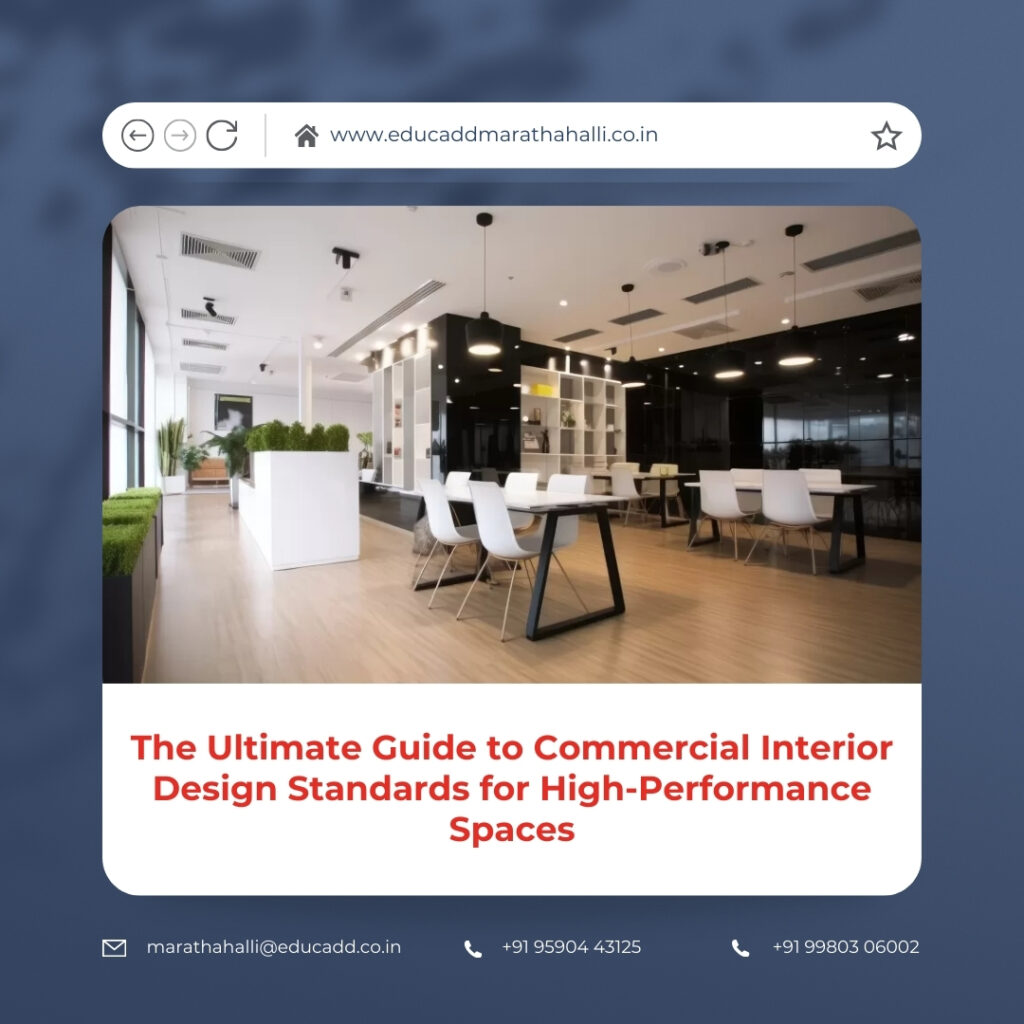
Commercial Interior Design Standards
This detailed guide explores the key principles and practices that define commercial interior design standards. By understanding these aspects, you can design spaces that not only look impressive but also perform exceptionally well in real-world conditions.
1. What Defines Commercial Interior Design Standards
Commercial Interior Design Standards are structured guidelines that govern how professional spaces are planned, designed, and executed. These standards ensure that interiors meet safety requirements, functional needs, and aesthetic expectations across various industries.
They are influenced by building regulations, industry best practices, and user behavior patterns. For example, office environments require a focus on productivity and comfort, while retail spaces prioritize customer flow and visual appeal. As a result, these standards vary depending on the type of commercial space being designed.
Additionally, these guidelines create consistency in quality. They allow designers to maintain a balance between creativity and compliance. By following these standards, businesses can avoid costly mistakes and ensure that their spaces meet both legal and operational requirements.
2. Strategic Space Planning for Maximum Efficiency
Space planning is the backbone of any successful commercial interior project. It involves organizing layouts in a way that maximizes usability while ensuring smooth movement within the space.
A well-planned layout improves workflow and reduces congestion. In office environments, this means placing workstations, meeting rooms, and collaborative zones in logical positions. In retail settings, it involves guiding customers through a journey that encourages exploration and purchasing.
Moreover, strategic space planning supports flexibility. Businesses can adapt their layouts to accommodate growth or changing needs without undergoing major redesigns. This forward-thinking approach ensures that the space remains relevant and functional over time.
3. Compliance with Building Codes and Safety Regulations
Adhering to building codes is a non-negotiable aspect of Commercial Interior Design Standards. These regulations are established to ensure the safety, stability, and usability of built environments.
They cover a wide range of elements, including fire protection systems, electrical installations, structural safety, and occupancy limits. Designers must work closely with architects and engineers to ensure that every aspect of the project aligns with these requirements.
Failure to comply can lead to serious consequences such as legal penalties, project delays, or even business shutdowns. Therefore, staying updated with local regulations is essential for delivering a successful commercial design project.
4. Inclusive Design Through Accessibility Standards
Accessibility is a fundamental requirement in modern commercial spaces. Design standards emphasize creating environments that are usable by people of all abilities, ensuring inclusivity and equal access.
This includes features such as ramps, elevators, wide doorways, and accessible restrooms. These elements are not only legally required in many regions but also reflect a business’s commitment to social responsibility.
Inclusive design also enhances user experience. When spaces are easy to navigate and comfortable for everyone, they naturally attract a wider audience. As a result, accessibility becomes a key factor in both compliance and customer satisfaction.
5. Optimizing Lighting for Function and Ambience
Lighting is one of the most influential elements in Commercial Interior Design Standards. It affects visibility, mood, and overall perception of a space. Design standards provide guidelines on achieving the right balance between natural and artificial lighting.
Natural light should be utilized as much as possible to create a vibrant and welcoming environment. It also helps reduce energy consumption and improves occupant well-being. However, artificial lighting must be carefully designed to ensure consistent illumination.
Proper lighting design enhances productivity in workplaces and creates an inviting atmosphere in customer-facing spaces. Therefore, it plays a crucial role in both functionality and aesthetics.
6. Choosing Durable and Suitable Materials
Material selection is a critical component of commercial interior design standards. Since commercial spaces experience high levels of usage, materials must be durable and easy to maintain.
Flooring, wall finishes, and furniture should be selected based on their ability to withstand wear and tear. At the same time, they must meet safety standards such as fire resistance and non-toxicity.
Sustainable materials are also gaining popularity. They reduce environmental impact while enhancing the overall quality of the space. By choosing the right materials, businesses can ensure long-term performance and cost efficiency.
7. Enhancing Productivity with Ergonomic Design
Ergonomics plays a vital role in creating comfortable and efficient work environments. It focuses on designing spaces that align with human physical needs and behaviors.
In commercial offices, ergonomic furniture such as adjustable chairs and desks helps reduce strain and prevent injuries. Proper workstation design also improves posture and overall comfort.
-
Supports better employee health and well-being
-
Increases focus and overall work efficiency
By incorporating ergonomic principles, businesses can create spaces that promote productivity and reduce workplace fatigue.
8. Managing Sound Through Acoustic Design
Acoustic design is often overlooked, yet it significantly impacts the usability of a commercial space. Proper sound management ensures that noise levels remain comfortable and do not disrupt activities.
In office environments, excessive noise can reduce concentration and efficiency. Sound-absorbing materials such as carpets, panels, and ceilings are used to control noise levels.
In public spaces like restaurants and retail stores, acoustics influence customer experience. A balanced sound environment creates a more enjoyable and relaxing atmosphere. Therefore, acoustic planning is an essential part of interior design standards.
9. Maintaining Comfort with HVAC Systems
Heating, ventilation, and air conditioning systems are crucial for maintaining indoor comfort. Commercial interior design standards emphasize the importance of efficient HVAC systems.
Proper ventilation ensures fresh air circulation, which improves indoor air quality. This is essential for the health and comfort of occupants.
Energy efficiency is another key consideration. Modern HVAC systems are designed to reduce energy consumption while delivering optimal performance. This helps businesses lower operational costs and support sustainability goals.
10. Fire Safety Measures and Emergency Planning
Fire safety is one of the most critical aspects of Commercial Interior Design Standards. Standards require the integration of fire detection, alarm systems, and suppression equipment.
Emergency exits must be clearly marked and easily accessible. Evacuation routes should be planned to ensure quick and safe movement during emergencies.
-
Use of fire-resistant construction materials
-
Installation of advanced alarm and sprinkler systems
These measures not only ensure compliance but also protect lives and property. Fire safety must always be a top priority in any commercial project.
11. Reflecting Brand Identity Through Design
A commercial space should act as a physical representation of a brand. Design elements such as colors, textures, and layouts must align with the company’s identity.
Consistent branding creates a strong impression on customers and enhances recognition. For example, retail stores often use design elements that reflect their target audience and product offerings.
A well-designed space communicates professionalism and credibility. Therefore, integrating branding into interior design is essential for creating a memorable experience.
12. Integrating Technology for Smart Interiors
Technology has transformed the way commercial spaces are designed and operated. Smart systems and digital tools are now integral to modern interiors.
Automated lighting, climate control, and security systems improve efficiency and convenience. Digital displays and interactive features enhance customer engagement.
Technology also enables flexibility. Spaces can be easily modified to meet changing needs, making them more adaptable and future-ready. As a result, technology integration is a key aspect of contemporary design standards.
13. Embracing Sustainability in Design Practices
Sustainable design is becoming a core requirement in commercial interiors. It focuses on reducing environmental impact while improving efficiency and comfort.
This includes using eco-friendly materials, energy-efficient systems, and waste reduction strategies. Sustainable design also enhances indoor air quality and occupant health.
Businesses that adopt green practices can reduce costs and improve their brand image. Therefore, sustainability is an essential consideration in modern interior design standards.
14. Planning for Maintenance and Longevity
Designing a Commercial Interior Design Standards is not just about the initial setup—it also involves planning for long-term maintenance. Materials and systems should be chosen with durability and ease of upkeep in mind.
Regular maintenance ensures that the space remains functional and visually appealing over time. It also helps prevent costly repairs and replacements.
Lifecycle planning allows businesses to anticipate future needs and make necessary adjustments. This approach ensures that the design continues to deliver value in the long run.
Conclusion
Commercial Interior Design Standards are the foundation of creating spaces that are efficient, safe, and visually impactful. They provide a structured approach to balancing functionality, compliance, and creativity in every project.
By understanding and applying these standards, businesses can design environments that enhance productivity, improve customer experiences, and reflect their brand identity. As the demands of commercial spaces continue to evolve, staying aligned with these principles becomes more important than ever.
Ultimately, a well-designed commercial space is more than just an attractive environment—it is a strategic asset that drives success, supports growth, and delivers long-term value.

