
Transforming Retail Spaces: Designing Experiences That Inspire Purchases
Retail has evolved far beyond a simple transactional model. Today, stores are arenas for experiences, emotions, and meaningful brand interactions. Customers do not just enter stores to buy products—they expect to engage, explore, and connect with the brand. This is where Retail Experience Design Strategies becomes essential. The right design can transform a store into a destination, influencing customer behavior, building brand loyalty, and increasing revenue. From layout and lighting to textures and technology, every design choice communicates a story and creates a memorable shopping experience. In an era where online shopping is more convenient than ever, physical stores must leverage design to create sensory-rich, immersive environments that digital platforms cannot replicate.
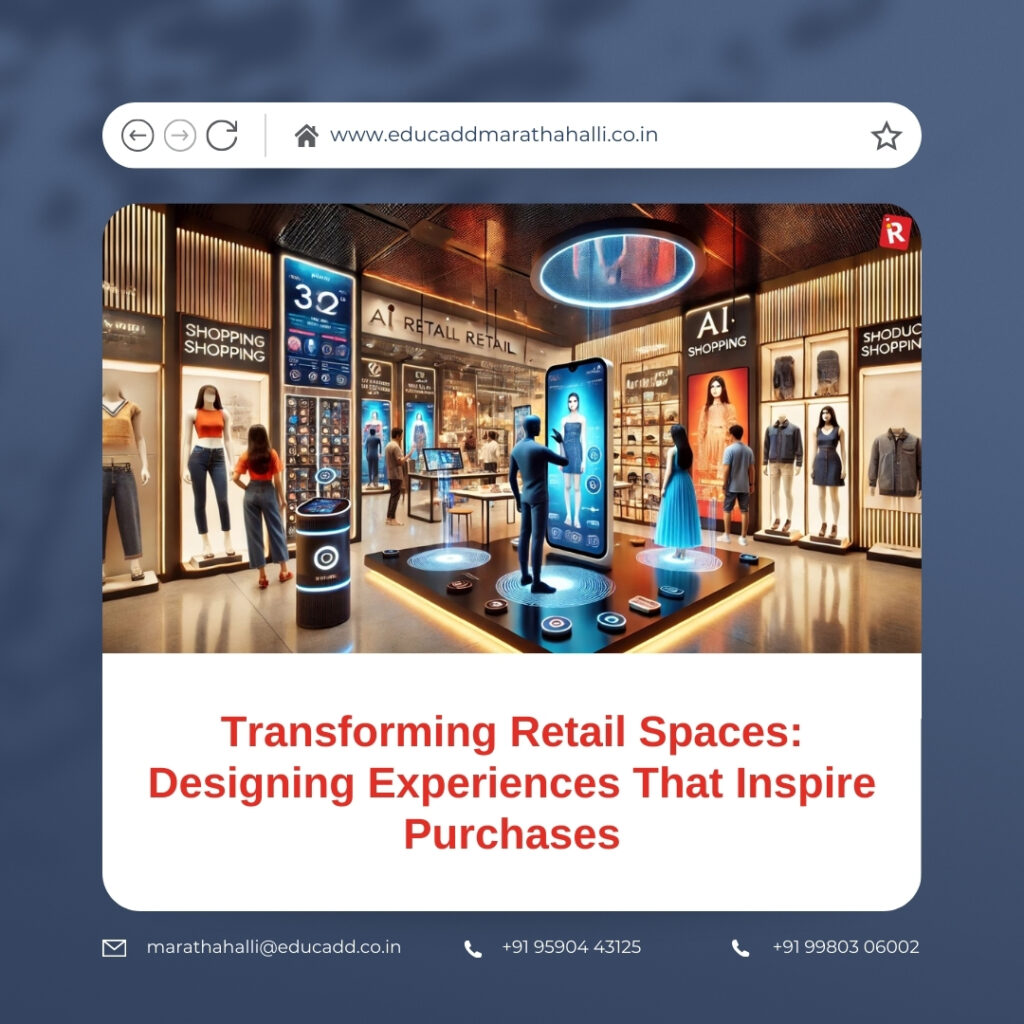
Retail Experience Design Strategies
1. Understanding Shopper Behavior Through Design
A cornerstone of effective interior design for retail spaces is understanding the psychology of shoppers. Colors, spatial arrangements, and lighting all play subtle roles in shaping customer perception and behavior. For example, warm tones can encourage longer browsing, while muted shades evoke sophistication. The way products are organized influences decision-making, with strategic placements prompting impulse purchases. By anticipating how customers navigate a store, designers can guide movement, highlight key merchandise, and create an intuitive, stress-free shopping experience. Understanding these behavioral patterns ensures that the design enhances both comfort and sales performance.
2. Embedding Brand Personality in Every Corner
Every retail store is an extension of its brand identity. Through interior design for retail spaces, brands communicate their values, positioning, and personality in tangible ways. High-end fashion boutiques often favor minimalistic layouts, luxurious materials, and subtle lighting to convey exclusivity. In contrast, youth-focused or lifestyle brands may adopt bold colors, interactive features, and dynamic displays. When customers can immediately sense a brand’s character through the design, trust and recognition grow organically. Maintaining visual consistency in signage, furniture, and fixtures reinforces the brand’s story and strengthens long-term loyalty.
3. Layout Planning for Maximum Engagement
Efficient layout planning is critical in interior design for retail spaces. Thoughtful spatial design guides customers naturally from entrance to checkout, subtly encouraging exploration. The placement of high-margin products along primary paths increases exposure and drives purchases. Zoning techniques categorize merchandise logically, preventing shopper confusion while promoting discovery. Wider aisles and clearly defined walking paths make movement effortless, improving dwell time and overall satisfaction. A carefully structured layout allows customers to engage with the store intuitively, creating a seamless shopping journey that benefits both the customer and the retailer.
4. Harmonizing Visual Merchandising with Store Design
Visual merchandising is most effective when it complements the interior environment. In interior design for retail spaces, display units, shelving, and promotional areas should integrate seamlessly with the overall aesthetic. Proper sightlines ensure that customers notice highlighted products immediately. Focal points, such as feature walls or promotional displays near entrances, invite engagement and drive foot traffic deeper into the store. Seasonal displays and limited-time promotions should blend with the store’s design language, creating a visually harmonious environment that supports both branding and sales objectives.
5. Strategic Lighting to Elevate the Experience
Lighting is a key influencer in interior design for retail spaces, affecting both ambiance and product perception. Bright, inviting light at entrances attracts customers, while accent lighting draws attention to featured products. Warm lighting can create a cozy, inviting atmosphere, encouraging longer stays, while cooler tones convey a modern, premium feel. Layered lighting—combining ambient, task, and accent sources—enhances visual interest, highlights merchandise, and makes spaces appear more expansive. Thoughtful lighting design not only enhances aesthetics but also drives engagement and sales by guiding customer focus.
6. Color as a Tool to Influence Mood and Buying Behavior
Colors evoke emotions and subtly affect consumer behavior. In interior design for retail spaces, choosing the right palette is essential. Red can stimulate urgency and excitement, ideal for promotional zones, while blue conveys trust and calmness, fitting for electronics or service-oriented retail. Neutral palettes allow products to shine and provide an elegant backdrop for luxury items. When aligned with brand identity, color reinforces recognition and creates a cohesive shopping environment. Consistency across walls, fixtures, and signage strengthens visual appeal and deepens emotional connections with customers.
7. Textures and Materials for Sensory Engagement
Modern retail design emphasizes multisensory experiences. Materials and textures in interior design for retail spaces influence perception and emotional engagement. Natural materials like wood and stone evoke authenticity, while glossy surfaces communicate sophistication. Soft, tactile textures in seating or fitting areas enhance comfort and encourage lingering. The ability to touch and feel products within the context of the space adds another layer of connection between the customer and the brand. Thoughtful material choices can elevate the perceived value of merchandise and strengthen overall brand trust.
8. Designing for Comfort and Usability
Customer comfort is paramount in successful retail spaces. Ergonomics should be considered for both shoppers and staff in interior design for retail spaces. Comfortable seating areas allow companions to relax while others browse, proper counter heights improve transaction ease, and optimal lighting reduces strain. Additionally, temperature control and air circulation contribute to a pleasant experience. When customers feel physically at ease, they are more likely to explore the store fully, increasing dwell time and the likelihood of repeat visits.
9. Integrating Technology to Enhance Interactivity
Technology is increasingly integral to interior design for retail spaces, creating interactive and personalized experiences. Digital screens, smart mirrors, and interactive kiosks engage customers and provide valuable product information. In addition, self-checkout options, digital signage, and wayfinding tools improve convenience. The key is to integrate technology seamlessly into the design so it enhances rather than dominates the retail environment. When implemented thoughtfully, tech elements strengthen storytelling, provide richer experiences, and encourage repeat engagement.
10. Sustainable Design Practices That Resonate
Sustainability has become a vital aspect of interior design for retail spaces. Consumers increasingly expect environmentally responsible practices, making eco-friendly design choices an important differentiator. Incorporating recycled materials, energy-efficient lighting, and low-emission finishes demonstrates commitment to sustainability. Modular fixtures and reusable displays not only reduce waste but also offer long-term flexibility. By integrating sustainable practices with aesthetic appeal, retailers can attract environmentally conscious consumers while reinforcing their brand values.
11. Tailoring Design to Different Retail Formats
Different retail formats require specialized approaches to interior design for retail spaces. Small boutique stores benefit from clever storage, space optimization, and strategic mirrors that create a sense of expansiveness. Large department stores require clear zoning, navigational cues, and visual anchors to prevent shoppers from feeling lost. Flagship stores emphasize immersive storytelling through experiential zones and high-impact design features. Understanding the functional and operational needs of each format ensures that the interior not only looks impressive but also serves its intended purpose effectively.
12. Incorporating Local Culture and Context
Localization is key to creating relevant retail spaces. Effective interior design for retail spaces considers cultural context, integrating regional colors, patterns, and materials that resonate with the local audience. This adds authenticity and strengthens emotional connections with shoppers. Understanding local shopping habits and lifestyle preferences informs layout, signage, and display decisions. Stores that reflect the culture and values of their community foster loyalty and create a sense of belonging, enhancing both customer satisfaction and brand reputation.
13. Measuring the Impact of Retail Interior Design
The success of Retail Experience Design Strategies can and should be measured. Metrics such as footfall, dwell time, conversion rates, and average transaction value provide insight into the effectiveness of design choices. Customer and staff feedback further informs refinements and improvements. Regular assessment ensures that retail spaces continue to meet evolving consumer expectations and business goals. A data-driven approach to interior design enables continuous optimization, ensuring long-term success and profitability.
14. Emerging Trends Shaping the Future of Retail Design
The future of interior design for retail spaces emphasizes adaptability, personalization, and experience-focused environments. Modular fixtures allow for quick changes in store layout to reflect new campaigns. Biophilic elements such as indoor plants and natural materials enhance well-being and create inviting atmospheres. Experiential zones encourage interaction, social sharing, and immersive engagement. As technology and consumer expectations evolve, flexible, experience-driven interiors will be key to staying competitive and memorable in the modern retail landscape.
Conclusion
Retail is no longer just a transactional environment—it is an experience. Retail Experience Design Strategies is the cornerstone of this transformation, shaping customer emotions, guiding behavior, and reinforcing brand identity. Thoughtful layouts, sensory elements, technology integration, and sustainable practices combine to create spaces that inspire purchases and loyalty. By investing in immersive, experience-driven design, retailers can turn ordinary stores into destinations where customers want to spend time, engage deeply, and return repeatedly.

