
Safeguarding Electrical Systems: Foundations of Short Circuit and Arc Flash Analysis
Electrical systems power industries, offices, and homes alike, but they come with inherent hazards that can disrupt operations and endanger lives. Among the most critical safety concerns are Short Circuit Arc Analysis. Understanding these phenomena and performing thorough analyses is vital for engineers, facility managers, and safety professionals.
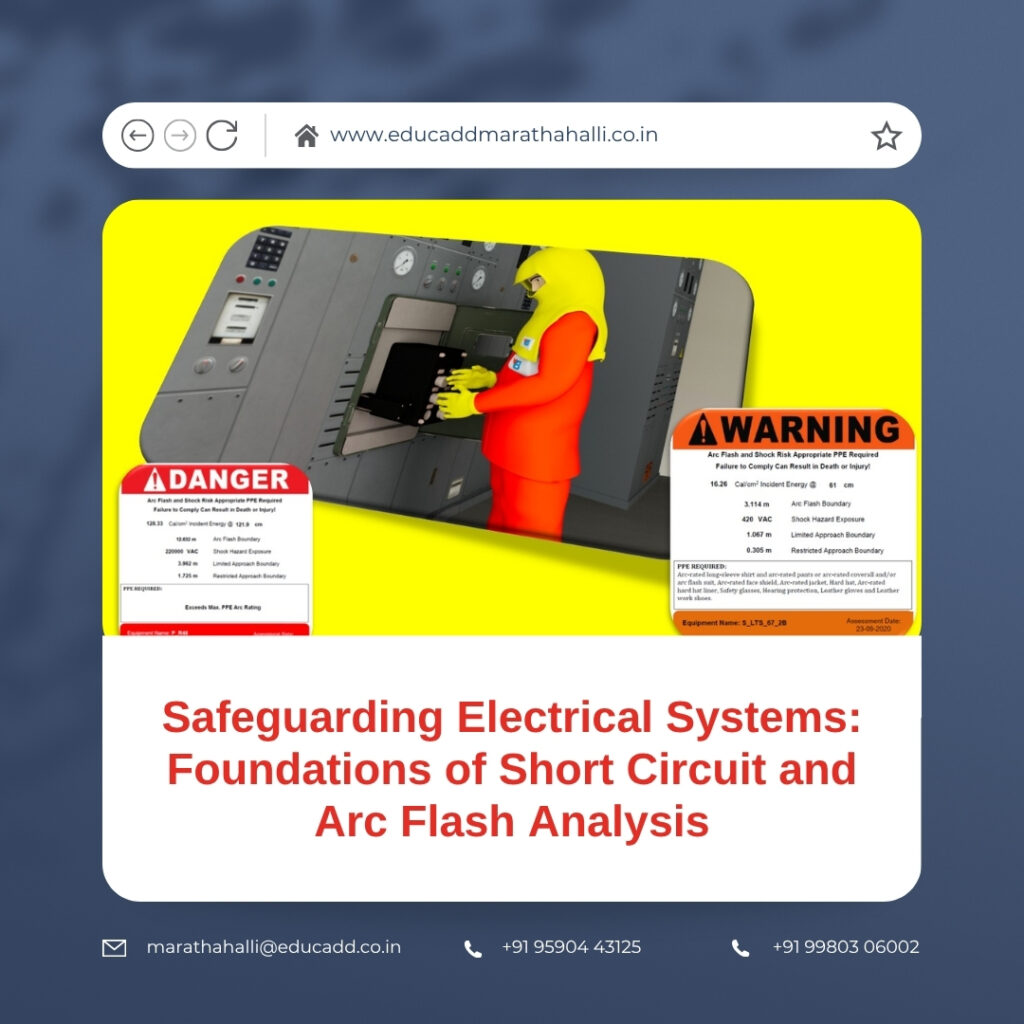
Short Circuit Arc Analysis
Short circuit and arc flash analysis helps identify risks, prevent equipment damage, and protect personnel. By accurately predicting fault currents and potential energy release, organizations can implement protective measures that ensure both system reliability and workplace safety. This article provides a comprehensive overview of the Short Circuit Arc Analysis, their interconnection, and practical steps for implementation.
What is Short Circuit Analysis?
A short circuit occurs when electrical current flows along an unintended path with minimal resistance. This sudden surge of current can severely damage electrical equipment, trigger overheating, and create fire hazards.
Short circuit analysis calculates potential fault currents at different points within a system. These calculations allow engineers to select appropriate protective devices, such as circuit breakers and fuses, ensuring that faults are safely interrupted. Without precise analysis, protective devices may fail, leaving systems vulnerable to catastrophic failures.
Key factors in short circuit analysis include:
-
System capacity: The maximum current the power source can supply.
-
Impedance of conductors: Resistance and reactance in cables and busbars that influence fault currents.
-
Equipment ratings: The withstand limits of transformers, generators, and motors.
By analyzing these elements, engineers can optimize protective device settings and ensure coordination between devices. The result is a safer and more reliable electrical system that minimizes damage during faults.
Understanding Arc Flash Analysis
An arc flash is an explosive release of energy caused when electrical current jumps through the air between conductors or to ground. Arc flashes produce extreme heat, intense light, and powerful pressure waves. Temperatures can exceed 35,000°F, capable of vaporizing metal and causing severe injuries.
Arc flash analysis calculates the energy released during such incidents. These calculations determine the required level of personal protective equipment (PPE) and establish safe working distances for employees. Accurate analysis is crucial to prevent serious injuries or fatalities.
Critical parameters in arc flash analysis include:
-
Fault current magnitude
-
Protection device clearing times
-
Working distance from the fault
-
System configuration and grounding
By assessing these variables, organizations can create safety protocols, ensure compliance with standards like NFPA 70E and IEEE 1584, and develop training programs for employees exposed to electrical hazards.
How Short Circuit and Arc Flash Analysis Are Connected
Though short circuit and arc flash analyses focus on different aspects, they are closely intertwined. Short circuit analysis determines the available fault current in the system, which directly influences arc flash calculations. Incorrect fault current data leads to inaccurate arc flash results, potentially compromising worker safety.
Integrating both studies allows engineers to design protective devices that not only prevent equipment damage but also minimize arc flash energy. Coordinated analyses ensure reliable power system operation while protecting personnel from high-risk incidents.
Steps to Conduct Effective Analyses
To maximize safety, organizations should follow structured approaches for both short circuit and arc flash studies.
-
Collect Comprehensive Data
Gather single-line diagrams, equipment ratings, protective device details, and conductor information. Complete data ensures accurate modeling. -
Build Accurate Models
Use specialized software like ETAP, SKM PowerTools, or EasyPower to simulate system behavior under fault conditions. Accurate modeling forms the foundation of reliable analyses. -
Perform Calculations
-
Short circuit calculations: Determine fault currents at key system points.
-
Arc flash calculations: Use fault current data to calculate incident energy levels and define PPE requirements.
-
-
Review and Update Studies Regularly
Electrical systems evolve over time. Any additions, replacements, or modifications require reanalysis to maintain accuracy. -
Implement Protective Measures
Apply results by selecting suitable breakers, fuses, relays, and PPE. Ensure labeling is clear and visible, highlighting arc flash hazards. -
Train Personnel
Equip employees with knowledge of safe work practices, proper PPE usage, and emergency response procedures. Training bridges the gap between analysis and practical safety.
Benefits of Short Circuit and Arc Flash Analysis
Properly conducted analyses provide multiple advantages for organizations:
-
Worker Safety: Minimizes the risk of injury from electrical faults and arc flashes.
-
Equipment Protection: Limits damage to transformers, switchgear, and motors during faults.
-
Regulatory Compliance: Aligns with OSHA, NFPA, and IEEE safety standards.
-
Operational Continuity: Reduces unplanned downtime caused by electrical incidents.
-
Financial Savings: Lowers costs from equipment replacement, medical claims, and lost productivity.
-
Enhanced Reputation: Demonstrates commitment to safety and builds trust with employees and clients.
The value of these analyses extends beyond immediate safety. They create a culture of proactive risk management and strengthen the organization’s long-term operational resilience.
Real-World Applications
Short circuit and arc flash analysis are essential in numerous sectors:
-
Manufacturing Plants: Protect critical machinery and ensure smooth production.
-
Commercial Buildings: Safeguard employees and sensitive office equipment.
-
Utilities: Maintain grid stability while protecting field personnel.
-
Data Centers: Prevent costly downtime due to electrical faults.
-
Healthcare Facilities: Ensure uninterrupted power for critical medical equipment.
These analyses are indispensable wherever electrical power is distributed and used, highlighting their broad relevance across industries.
Common Challenges and How to Overcome Them
Performing short circuit and arc flash analyses comes with challenges:
-
Incomplete or outdated data: Ensure regular audits and updates of electrical documentation.
-
Complex systems: Use advanced simulation software and expert consultation.
-
Misinterpretation of results: Provide training and maintain cross-functional review of study outcomes.
-
Cost concerns: Consider analysis as an investment in safety and operational reliability.
Addressing these challenges ensures that analyses achieve their intended purpose of safeguarding people and equipment.
Conclusion
Electrical safety is a priority that cannot be overlooked. Understanding Short Circuit Arc Analysis equips organizations to identify risks, protect personnel, and enhance system reliability. Accurate fault current calculations, energy assessment, and protective coordination form the backbone of modern electrical safety programs.
Integrating these analyses into regular maintenance and safety planning ensures compliance with regulatory standards, reduces operational disruptions, and fosters a culture of proactive safety.

